 Μake us preferred on Google
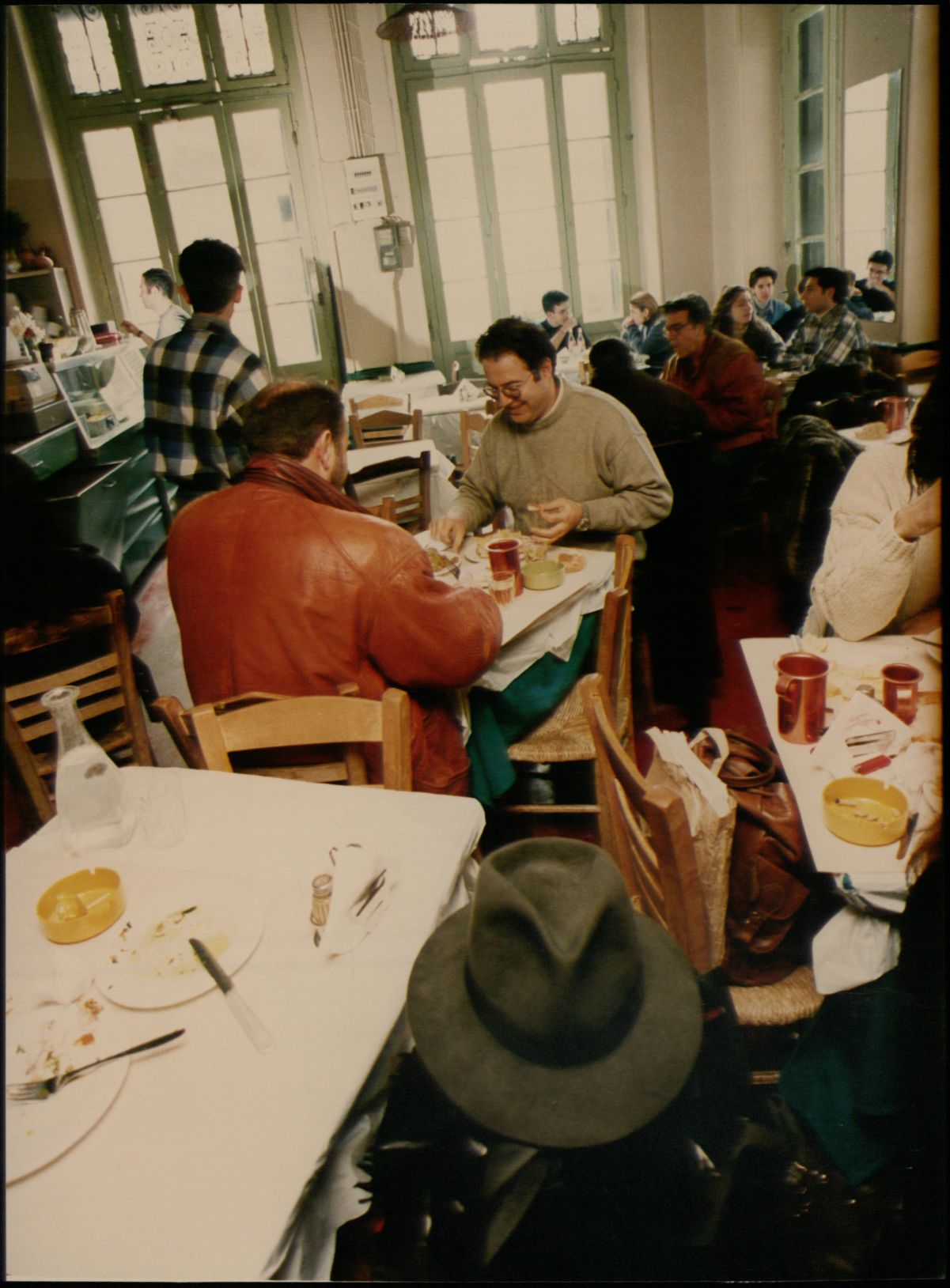
The closure of Mouria, the historic café in Exarchia, has sparked a heated debate in recent days. The conversation has not been confined to activist circles or the Left, the political milieus with which the café was long associated. It has spread exponentially across social media through popular posts by influencers and vloggers, been picked up by mainstream local outlets, and even made news in the respected French publication Courrier International: “Gentrification. With the closure of Mouria, Athens bids farewell to a piece of itself.”
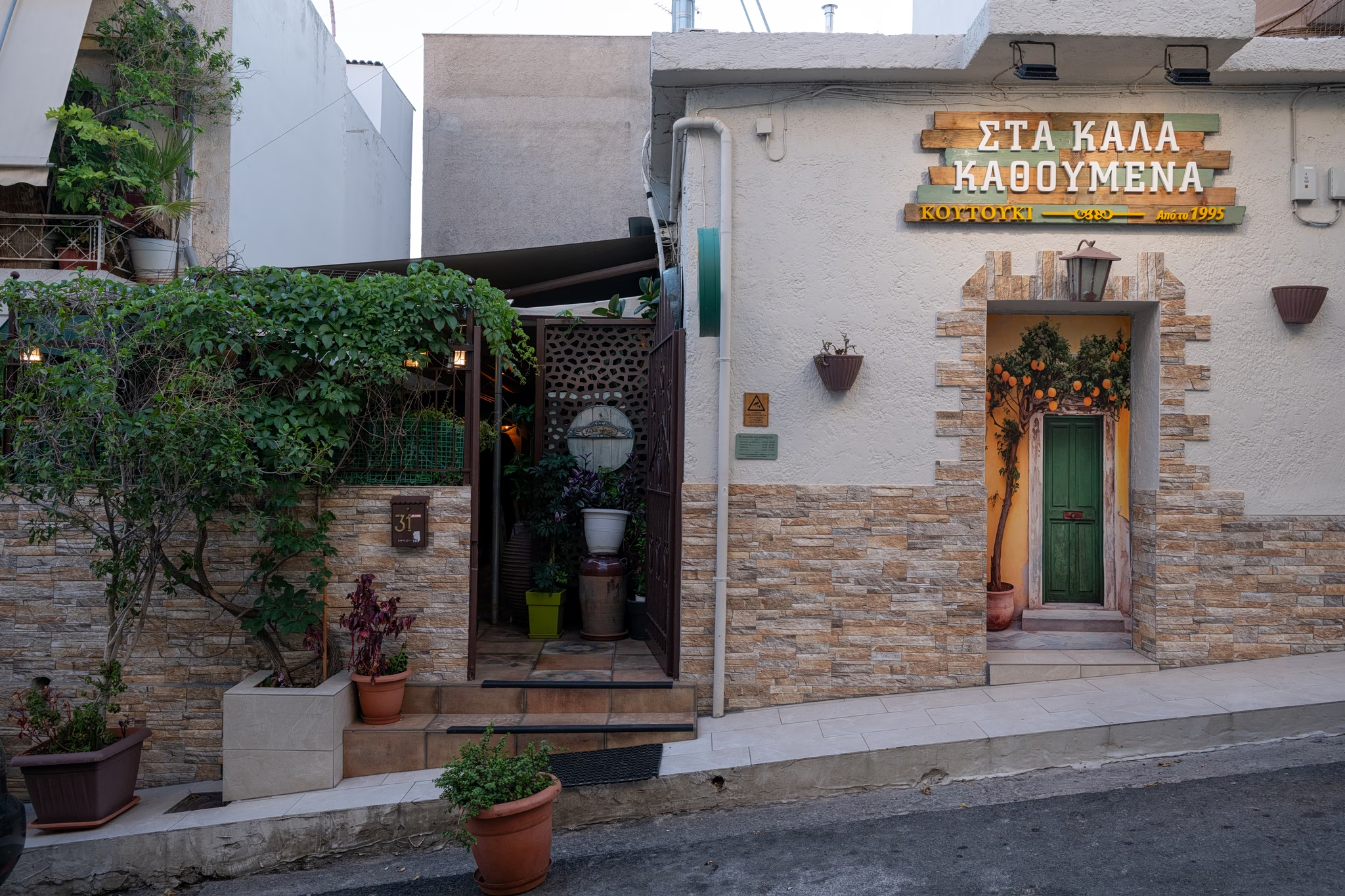
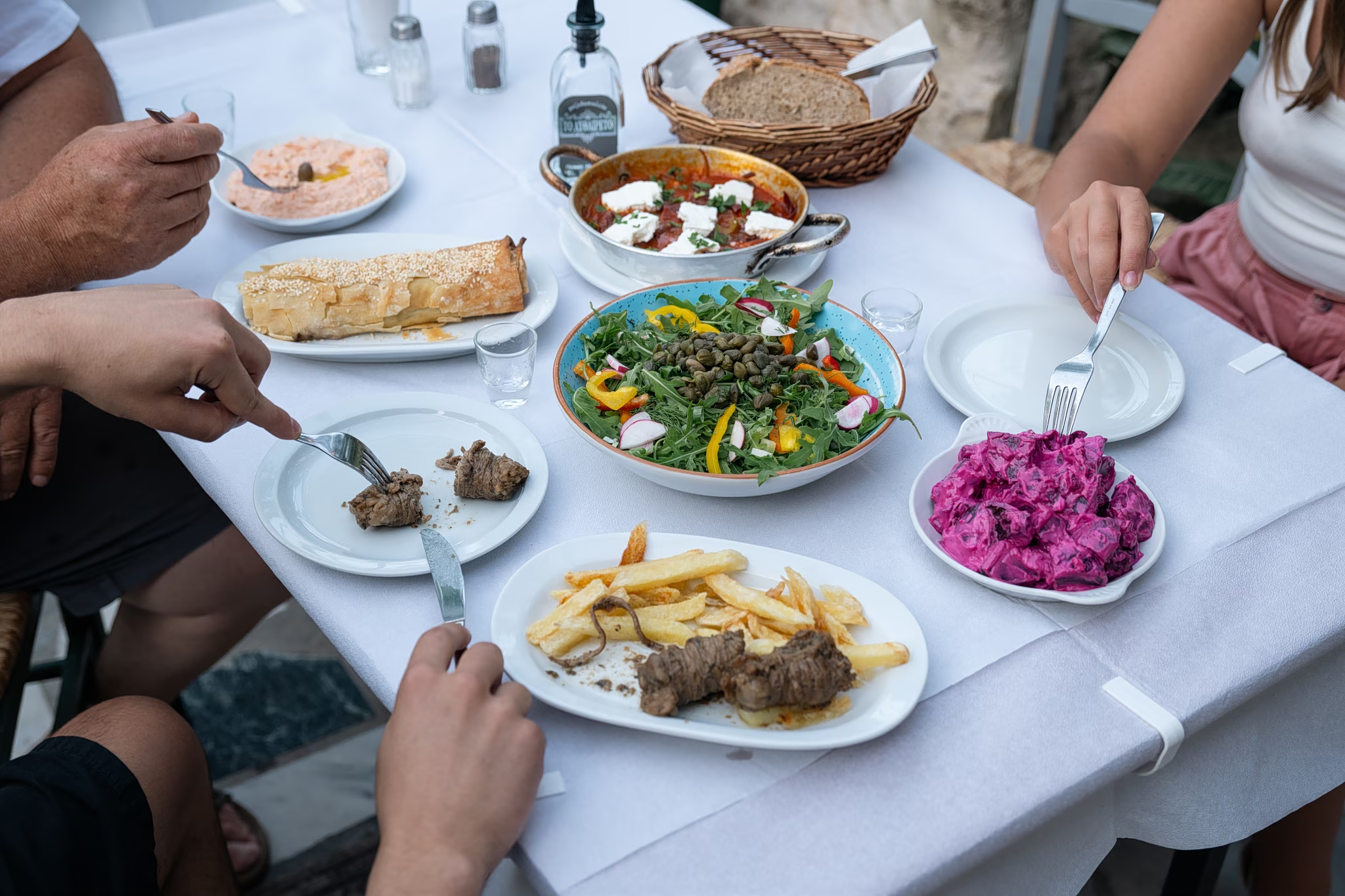
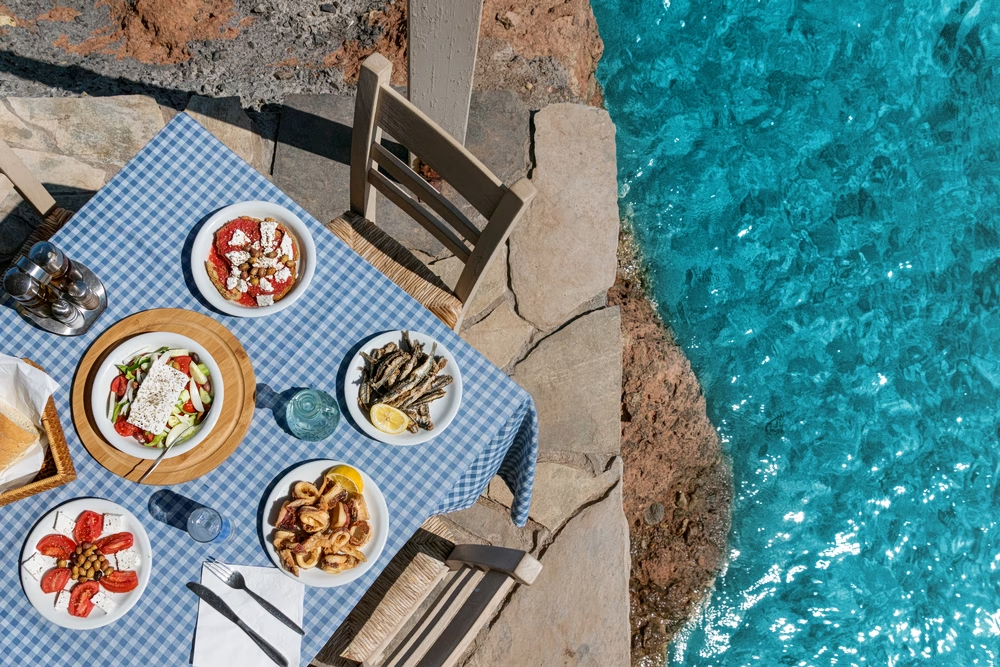
For some time now, obituaries have also been appearing for Diporto, the historic basement taverna near Theatrou Square, which is soon to close. Meanwhile, yet another coffee-table book has just come out, this one celebrating the 100 (best) tavernas of Athens and Piraeus, complete with striking photographs of their exteriors and interiors. Social media users and taverna regulars seem thoroughly confused. Are the traditional taverna and the neighborhood café disappearing from the culinary map at the very moment they are being turned into museum pieces? Will we be eating nothing but sushi and Thai food from now on, and drinking only matcha lattes? Or will tavernas survive, modernized and gentrified, much like other products of local tradition such as rebetiko music or the Greek summer?
The gentrification of once-neglected neighborhoods, now filling up with galleries, record shops and cocktail bars, has been linked to the social impact of hipsterism and the free-press magazines that follow in its wake. Williamsburg in Brooklyn, Canal Saint-Martin in Paris, and Metaxourgeio, Pangrati, Koukaki and Kypseli in Athens have all become associated with the hipster’s ready embrace of every possible cultural activity, combined with the good life of cocktails and design-led restaurants. The traits of the blasé city dweller that Charles Baudelaire described in The Painter of Modern Life (multiculturalism, speed, a passion for the crowd) may well be the natural lineage of today’s hipsterism. Like the tourist, the hipster is on a frantic hunt for the Authentic. And perhaps the two share another trait: they get bored very quickly.
Today, cooks and chefs become famous, publish books and star in television series, no longer by cooking or sharing recipes as they once did, but by traveling the world and eating at restaurants or, increasingly, at food trucks and street stalls. Often they offer no commentary or analysis of what they eat; they simply groan (with pleasure or otherwise) and pose for the camera. The archetype of this new model is surely the late Anthony Bourdain. Imitators were bound to follow around the world, Greece included. The trend coincided with the explosion of hipsterism and the quest for authenticity. These days we search desperately for the last elderly women cooking the last authentic souvlaki, sandwiches of every kind, barbecue and noodle soups on the streets of the world.
Following Mouria’s closure, the property owner’s lawyer gave assurances that the space would remain a café and would not change use, dismissing rumors that it would become something alien to the character of the neighborhood. He stated explicitly that it would continue to operate as a traditional café serving coffee brewed in hot embers, thereby, as he stressed, preserving its historic identity.
Turkish (or rather Greek) coffee brewed in hot embers, meatballs and bean soup. What remains of the essence of the Athenian taverna or the traditional café as boomers, or even millennials, knew it, though certainly not Gen Z? Probably almost nothing. Sometimes the setting is preserved almost like a museum, perhaps the menu too. Other times it is “updated” through the creative touch of interior designers and celebrity chefs. Prices have soared, of course, and the tables are dominated by tourists and influencers. They are all searching for authenticity, perhaps because deep down they all know that almost nothing of it is left.
Thanasis Moutsopoulos is an associate professor of art history at the School of Architecture of the National Technical University of Athens (NTUA).