 Μake us preferred on Google
A wave of public anger spreading across several European Union countries, at times erupting into serious violence, is causing growing concern in Brussels. The common thread is rising prices, austerity, and the decline of public services. From France and Belgium to Portugal and Italy, the protests highlight the mounting pressure on European governments.
At the same time, the crisis in France is weakening President Emmanuel Macron’s position in negotiations in Brussels, limiting his room to maneuver on the EU budget and other priorities.
France: From Protest to Riots
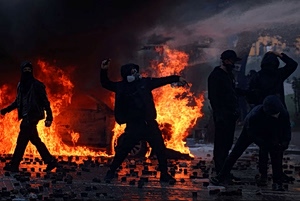
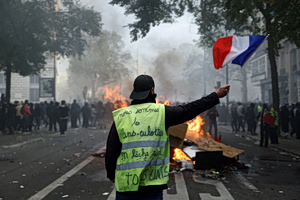
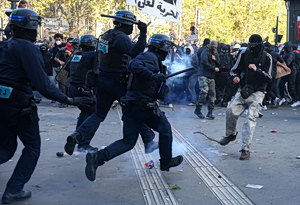
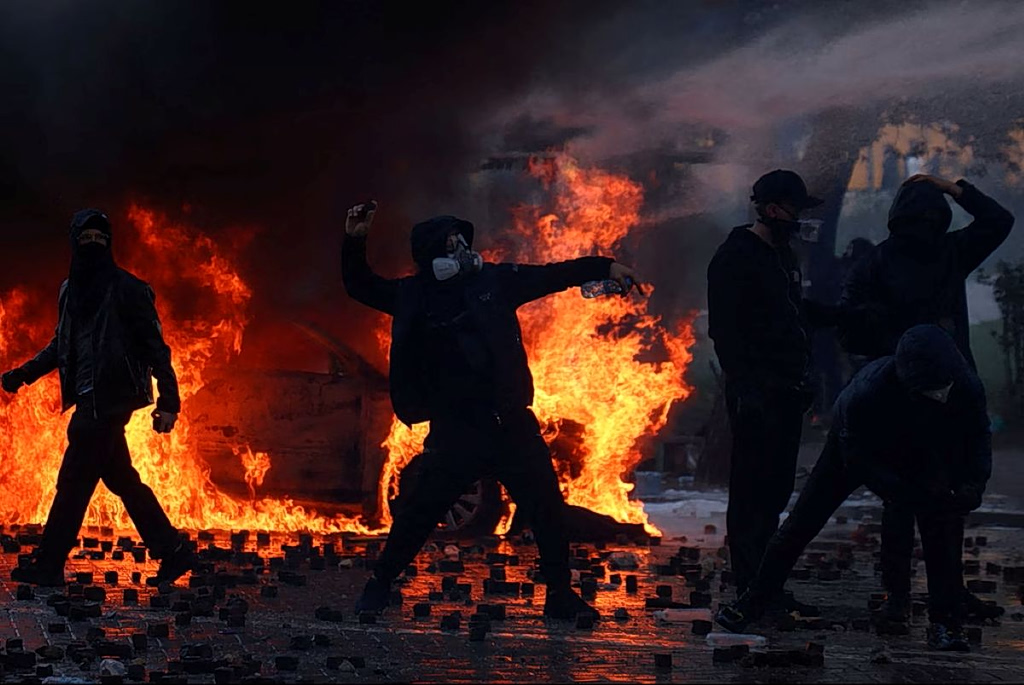
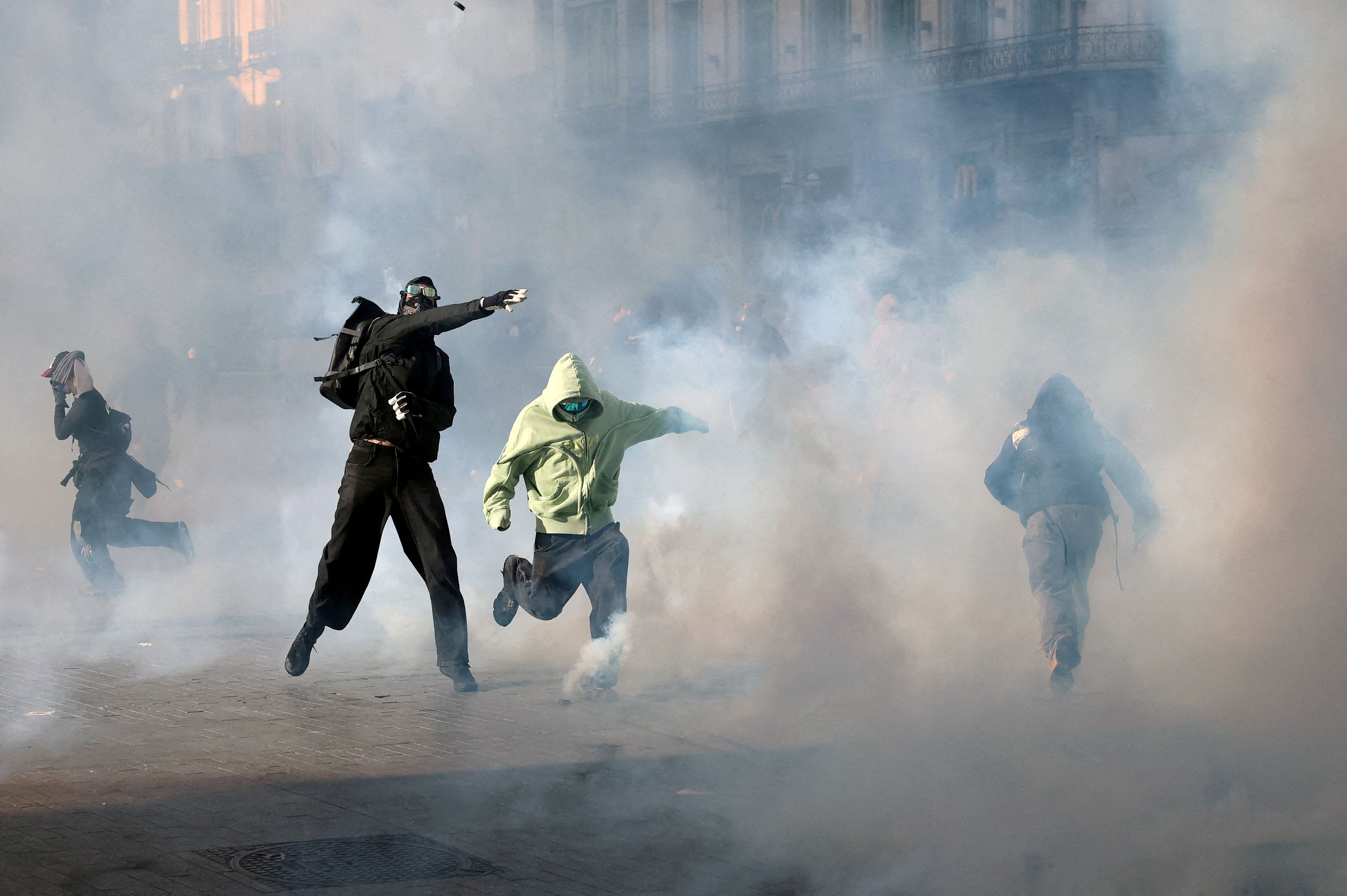
In France, more than 500,000 people joined demonstrations on Saturday. The protests began with complaints about underfunded schools and the rising cost of living but quickly escalated into widespread clashes, arson, and looting. More than 2,000 people were arrested and hundreds were injured. In a particularly symbolic moment, protesters set fire to the historic town hall in Limoges.
The French government has blamed the violence on far-left groups and criminal elements. The opposition, meanwhile, has criticized both the police crackdown and the government’s failure to prevent the unrest from spiraling.
The European Commission condemned what it called unacceptable acts of arson, looting, and attacks on people and public buildings. However, it stressed that the right to peaceful protest is a fundamental right in any democracy and must be protected.
Commission spokesperson for home affairs Markus Lammert said peaceful protesters should not be lumped together with those who commit violence. He expressed the Commission’s support for French authorities’ efforts to protect citizens, property, and public institutions while fully respecting fundamental rights. He also noted that maintaining public order is the responsibility of national authorities and that investigations are underway in France.
Protests From Belgium to Portugal
In Belgium, demonstrations in Brussels and Liège led to clashes with police and dozens of arrests. In Italy, protests and unrest broke out in cities including Milan and Bologna, and authorities are working to identify the organizers.
In Portugal, thousands of people marched peacefully in Lisbon, Porto, and Coimbra, calling for affordable housing, higher wages, and bigger pensions.
Although the protests differ in intensity and form, they all reflect growing frustration over the cost of living and the failure of public services to meet people’s needs.
Migration Returns to the Spotlight
The unrest is also becoming a political battleground over migration. Hungarian Prime Minister Péter Magyar argued that the scenes in France prove the need for strict migration policies, although there is no evidence linking the riots to migration.
Polish Prime Minister Donald Tusk said his country would neither repeat the mistakes of other European nations nor pay for them, though he did not refer directly to the unrest in France.
These remarks echo the divisions on display at last week’s EU summit, where Poland, Denmark, and Italy pushed for a tougher migration policy. Macron was among the leaders who opposed that approach.
Political Pressure and the European Balance
With key elections approaching in France, Spain, and Italy, the protests carry wider political weight. Images of violence and the debate over public safety could strengthen the far right, which ties social unrest to migration and to governments’ inability to keep order.
For Macron, the crisis also has European consequences. Political pressure at home is limiting his flexibility in EU budget negotiations and on other European priorities, at a time when governments must deal with both public backlash and disagreements over a common migration policy.