 Μake us preferred on Google
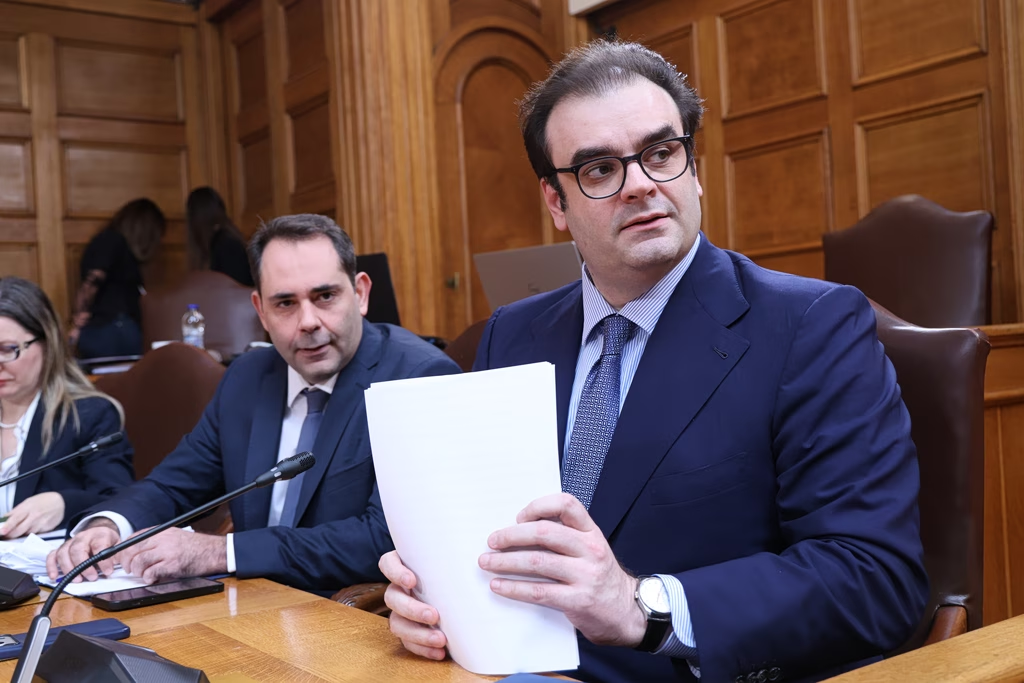
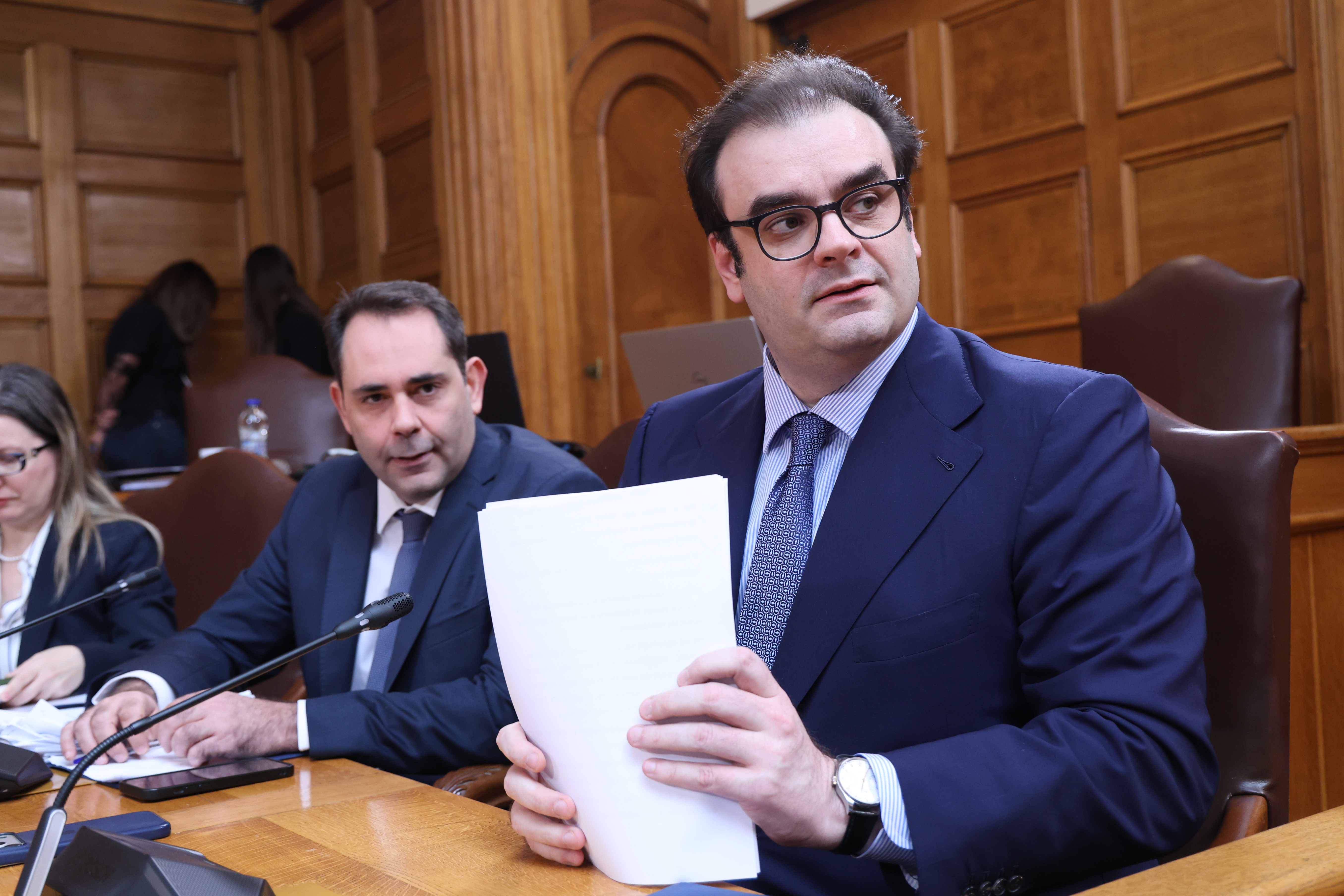
High prices remain the biggest problem facing Greek households, Finance Minister Kyriakos Pierrakakis acknowledged Monday, as he warned that prolonged economic uncertainty and volatile energy markets were testing the resilience of even the world’s strongest economies. Speaking before Parliament’s Finance Committee during discussions on the preliminary 2027 state budget, Pierrakakis conceded that households were struggling to meet everyday expenses and needed meaningful improvements in purchasing power. His remarks came against a backdrop of persistent inflation and economic turbulence that have already cast doubt on some of the assumptions underpinning the government’s budget forecasts.
“People need a real boost to their purchasing power,” Pierrakakis told lawmakers. “This is a battle we are fighting and one we must win.”
The acknowledgment contrasted with the relatively optimistic economic outlook contained in the preliminary budget, submitted to Parliament on Oct. 5, which forecasts growth of 2.3% in 2027 and a further decline in unemployment and public debt.
Uncertainty Becomes a Permanent Feature of the Economy
Pierrakakis warned that the international economic environment had entered a period of sustained instability, with the energy crisis, turbulence in bond markets and disruptions to global trade presenting challenges even for advanced economies. “Uncertainty has become a permanent feature of the economy,” he said.
“The energy crisis, turbulence in bond markets and trade are testing the resilience of even the strongest economies,” he added, arguing that economic strength should be measured not simply by growth but by the ability to withstand repeated shocks. The minister also identified energy dependence as one of the Greek economy’s most significant structural weaknesses, underscoring the country’s vulnerability to fluctuations in international energy prices. The Eurogroup president also called for a more coordinated European response, saying the European Union faced major decisions about its economic future as global power relations continued to shift.
Pierrakakis reiterated the government’s previously announced fuel and heating subsidies, saying that energy-related interventions and permanent social support measures introduced since April totaled approximately €1.4 billion. He also referred to plans for nearly €1 billion in energy resilience investments through 2028, intended to improve infrastructure, storage capacity and efficiency while reducing exposure to international price swings.
Growth Forecasts Contrast With Household Pressures
Despite the difficult international outlook, the government is maintaining its forecast that the Greek economy will expand by 2.3% in 2027, compared with projected eurozone growth of 1.2%. The preliminary budget also anticipates that unemployment will decline to 7.9%, its lowest annual level since 2008, while investment will increase by 7.9%.
But the outlook for household incomes is more restrained. Average compensation per employee is forecast to rise by 3.9% next year, while inflation is expected to slow to 2.6%, leaving real earnings growth of just 1.4%. The slowdown in inflation, if it materializes, would mean prices increase less rapidly, not that they return to previous levels.
The government has already acknowledged that the economic outlook remains vulnerable to developments in international energy markets. The preliminary budget assumes energy prices will gradually decline, while its forecasts may need to be revised before the final budget is submitted to Parliament in November.
Pierrakakis also reiterated the tax reductions, pension increases and other income support measures announced by Prime Minister Kyriakos Mitsotakis at the Thessaloniki International Fair in September, which are expected to have a fiscal impact of approximately €2.2 billion in 2027. The measures are already incorporated into the preliminary budget.
Debt Reduction and Fiscal Stability
Pierrakakis defended the government’s fiscal strategy, emphasizing projected reductions in public debt and continued budget surpluses as evidence of its ability to navigate economic uncertainty. The preliminary budget forecasts a primary surplus of 3.3% of GDP in 2027, compared with an estimated 3.6% in 2026, and an overall fiscal surplus of 0.3%. Public debt is projected to fall to 128.8% of GDP next year, down from 136.7% in 2026 and 209.4% in 2020.
The minister described the decline of more than 80 percentage points since 2020 as the largest reduction in the debt-to-GDP ratio worldwide. He did not, however, address the role inflation has played in reducing the ratio. Rising prices can increase nominal GDP, lowering the ratio of debt to economic output independently of any actual reduction in outstanding debt. Pierrakakis said early debt repayments were expected to reach €12.8 billion in 2026, reducing future financing requirements.
He argued that fiscal discipline and productive investment were necessary to sustain growth and provide the government with the resources to support households during periods of economic difficulty.
M.P.