 Μake us preferred on Google
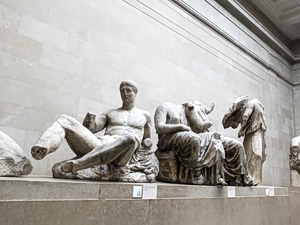
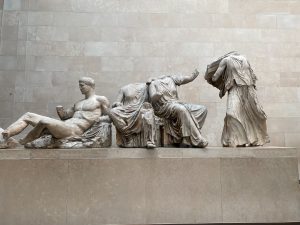
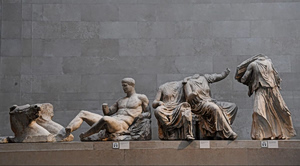
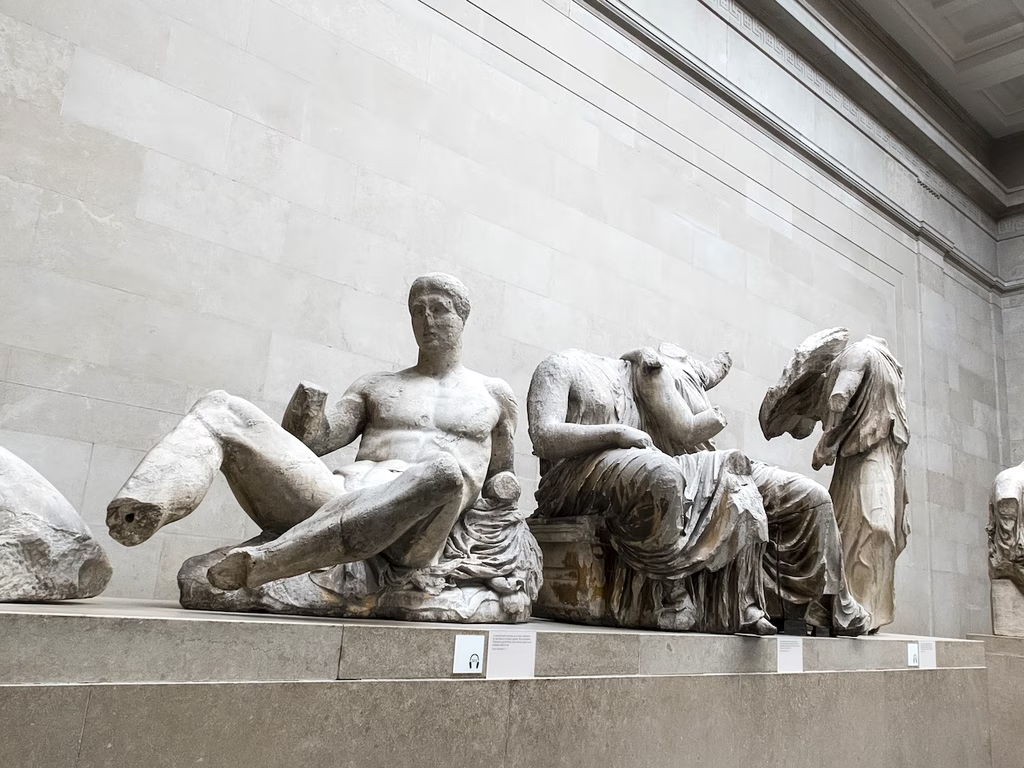
Britain’s new arts minister has voiced support for closer cultural cooperation between the United Kingdom and Greece as part of efforts to resolve the long-running dispute over the Parthenon Sculptures.
Speaking exclusively to Ta Nea, Baroness Ruth Mackenzie, the junior culture minister responsible for the arts, museums, and cultural property, was asked about Greece’s longstanding demand that the classical masterpieces be reunited in Athens. She said it is “very important” for the two countries to develop new cultural partnerships, adding that Greek and British cultural institutions should work very closely together, as they already do.
Asked whether she is optimistic that a mutually acceptable solution can be found, and whether she would be willing to talk with the Greek government about the sculptures, Mackenzie said building partnerships and collaborations together has always been a priority for the British government and will remain one.
When asked whether those partnerships could include the Parthenon Sculptures, she smiled and nodded yes.
Echoes of Osborne’s “Parthenon Partnership”
Her references to “partnerships” and “collaborations” point directly to the so-called “Parthenon Partnership” that British Museum Chairman George Osborne hopes to reach with Greece. However, Osborne’s plan is based on lending the works of Phidias to Athens, an option Greece flatly rejects.
Mackenzie, a member of Prime Minister Andy Burnham’s government, declined to go into detail about what the right solution might be or what the partnerships she has in mind could involve.
Burnham’s Shift on Unconditional Return
Last July, Ta Nea revealed that Burnham had been a consistent and enthusiastic supporter of the unconditional, permanent return of the sculptures to Athens since 2001. The report was picked up by international media around the world.
In late August, however, the new British prime minister distanced himself from his earlier statements and legislative efforts, saying the marbles are a matter for the British Museum. He added, though, that he favors using British cultural diplomacy.
Sources at Britain’s culture ministry said Mackenzie’s reference to partnerships between the two countries reflects the prime minister’s stated wish to pursue cultural diplomacy with Greece.
A Career in the Arts
The 69-year-old minister was Burnham’s personal choice for the role. At his recommendation, King Charles granted her the title of Baroness of Sherwood and appointed her a life peer in the House of Lords, allowing her to join the government last July. In Britain, ministers must be members of Parliament.
Mackenzie has advised five British culture secretaries, including Burnham himself, and describes herself as an admirer of Greece. She said she has visited the country many times and loves it dearly. She recalled a remark by renowned theater director Peter Sellars that has stayed with her: that the Greeks invented both democracy and theater, and that the first parliament was placed right next to the first theater. She called this a great source of inspiration for everyone.
Mackenzie comes from deep within the arts world, having spent decades as an artistic director at international festivals and cultural organizations in Britain and across Europe, including France, the Netherlands, and Austria. She has led London’s Cultural Olympiad, the Théâtre du Châtelet in Paris, Scottish Opera, and the Manchester International Festival. Until last July, she was director of arts at the British Council, and before that she served as director of arts policy for the government of South Australia.
Reopening Doors After Brexit
Asked about Brexit and Burnham’s goal of bringing Britain closer to the European Union, possibly even back into it, and what that means for the cultural sector, Mackenzie said one of her government’s campaign promises was to find ways to reopen the doors for creators, musicians, and artists of every kind, so they can move freely between Europe and the U.K. She called this a major growth opportunity for many sectors.
She described Europe as one of Britain’s largest markets and said the country needs to make the most of that, as well as the mutual benefits that come from European artists working in Britain.
Mackenzie said the arts are one of the most important parts of society. In her view, they are essential not only for economic growth but also for individual well-being, helping people find a sense of belonging and cultural identity, and in some cases discover their own talent and become artists or creators themselves. She said this is her top priority.
She concluded by saying Britain needs an ambitious, visionary 10-year plan that allows people to dream and to do everything necessary to make that vision a reality.