
 Μake us preferred on Google
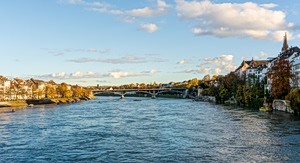
 Following Poland and Romania, falling Danube water levels caused by the heat wave and drought are now affecting nuclear power production in Bulgaria as well.
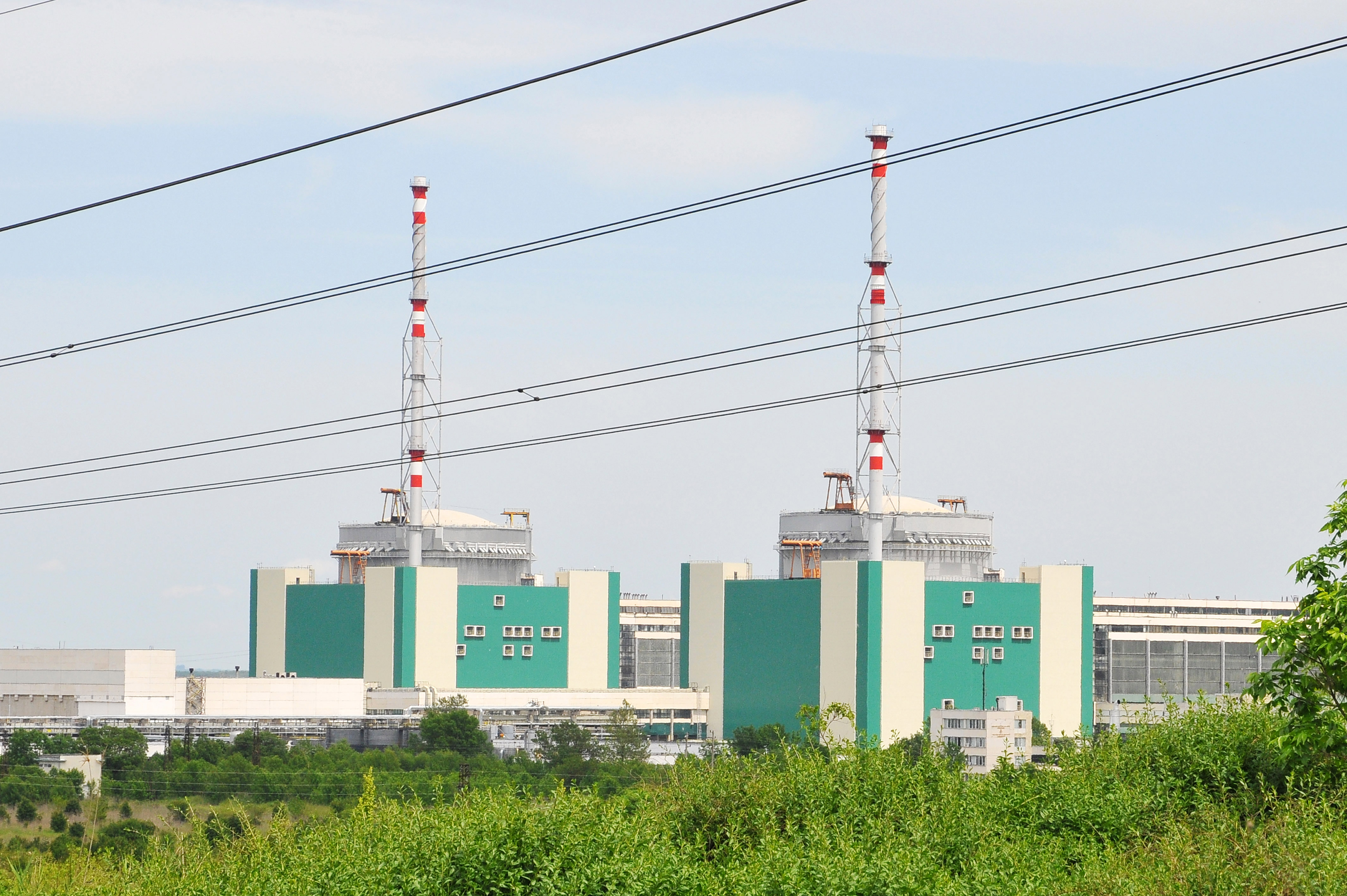
The country’s only nuclear plant, located in Kozloduy and responsible for 35% of Bulgaria’s electricity needs, runs two Soviet-built reactors, Units 5 and 6, each with a capacity of 1,000 megawatts, cooled using water drawn from the Danube.
Plant officials announced they will cut Unit 1’s output by roughly 120 MW in order to keep operations at safe levels.
The decision was made due to what plant officials described as the “ongoing, unprecedented, and critical drop” in the Danube’s water level.
They noted it’s the first time in Kozloduy’s 52 years of operation that output has had to be reduced because of extreme hydrological conditions.
A team set up in July is working to ensure the plant can continue operating safely and reliably in case the river’s low level persists, according to the operating company.
The water shortage is meanwhile also affecting Poland’s only nuclear plant, which normally supplies half the country’s electricity needs.
On Saturday, authorities sank two barges into the Danube in an effort to temporarily raise the water level and secure cooling water for the last two generators at the Paks plant in Hungary.
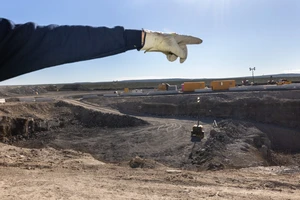
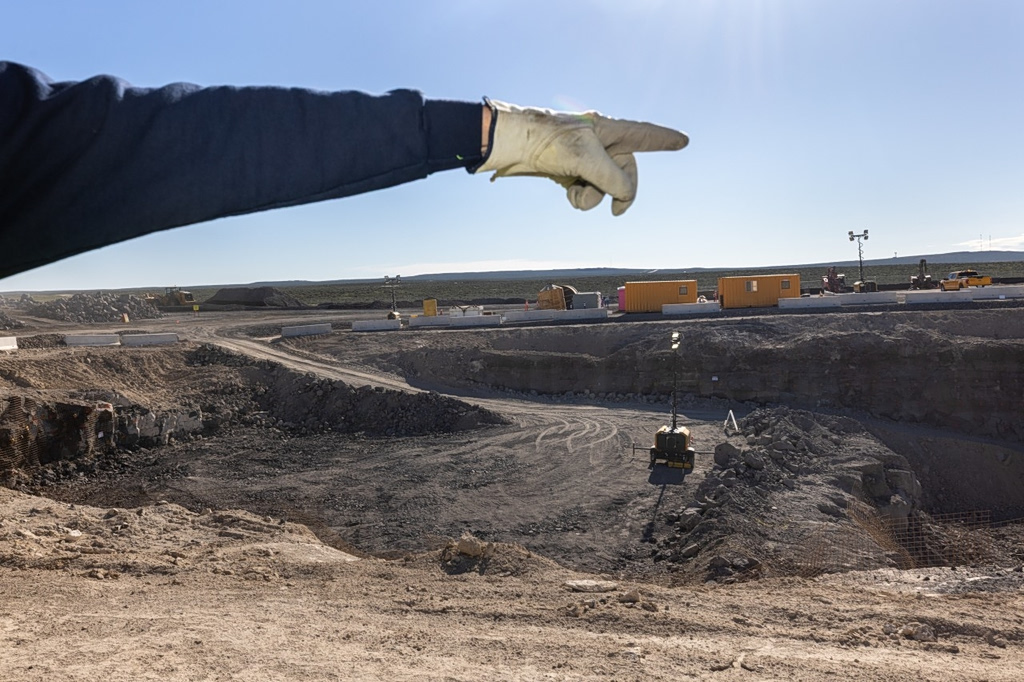
In Romania, authorities were forced to blast away a mass of rock to divert Danube water toward the cooling systems of the Cernavodă nuclear plant, which has been fully shut down since August 13.
Europe’s historic drought has also affected nuclear plants in Switzerland and France.