 Μake us preferred on Google
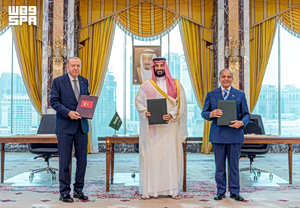
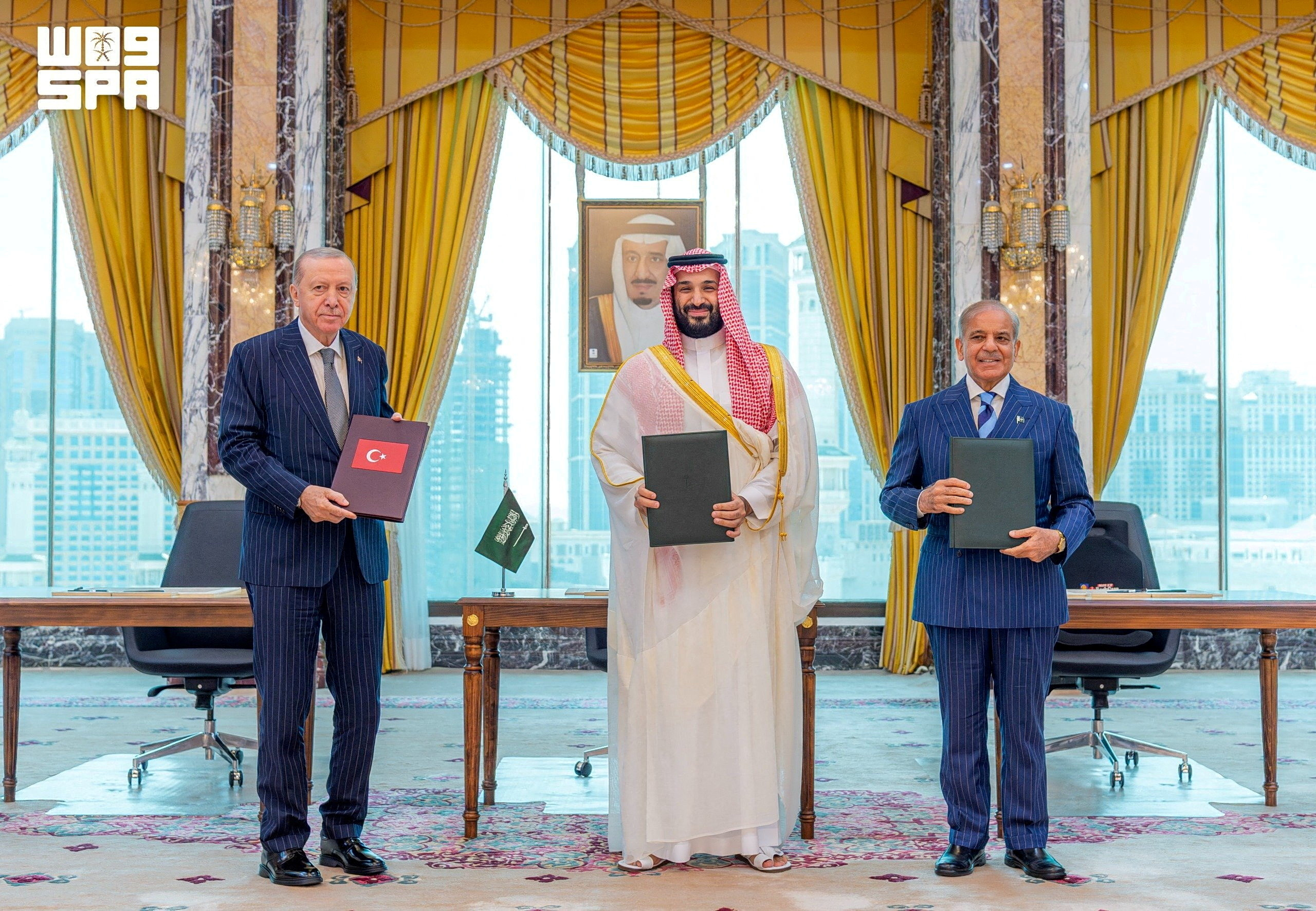
Turkish President Recep Tayyip Erdogan has completed Turkey’s domestic ratification process for the Mecca Agreement, a trilateral collective defense pact with Saudi Arabia and Pakistan.
The final step came with the publication of Presidential Decision No. 12017 in Turkey’s Official Gazette (Resmî Gazete) on Friday, November 27, 2026. Erdogan signed the decision on November 26.
The move follows approval of the agreement by Turkey’s Grand National Assembly on November 5 and publication of the relevant legislation, Law No. 7597, in the Official Gazette on November 14.
Signed in Mecca on August 7, 2026, the agreement establishes a framework for collective defense and broader military cooperation among the three countries.
What the Mecca Agreement provides
At the center of the pact is Article 2, which stipulates that an external armed attack against any one of the signatory countries will be considered an attack against all three.
The nature and extent of assistance, including the possible deployment of military assets, will be determined after an assessment of the needs involved and the capabilities available to each country.
Beyond the collective defense commitment, the agreement provides for joint military exercises, personnel exchanges and measures to improve interoperability among the three armed forces.
It also includes provisions for the joint production of defense systems, technology transfers, and shared research and development programs.
Article 9 is particularly significant, as it establishes a framework for intelligence sharing through secure communication channels.
The agreement also creates a Strategic Political and Defense Committee comprising the foreign and defense ministers and the chiefs of the general staffs of all three countries. The committee will have a permanent secretariat in Saudi Arabia.
The pact allows for the possibility of expanding the alliance to include additional countries, provided all three founding members agree.
Ratification amid rising Gulf tensions
The timing of Erdogan’s decision coincides with a planned trilateral meeting in Islamabad, where the Houthi attacks against Saudi Arabia are among the issues on the agenda.
The ratification highlights Turkey’s expanding defense partnerships beyond the Euro-Atlantic framework. However, Article 12 specifies that the agreement does not affect Turkey’s existing international obligations, including those arising from its membership in NATO.
The pact has no predetermined expiration date. Under Article 16, it will remain in force indefinitely and enter into effect once the final instrument of ratification is deposited with the committee’s secretariat.