 Μake us preferred on Google
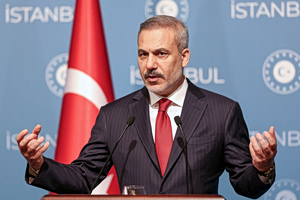
I had an extensive discussion with my colleague @HakanFidan on a range of issues.
Good neighbourly relations and advancing the Cyprus settlement process are of high importance. I raised yesterday’s Libyan vote on a maritime MoU with Türkiye and stressed that it infringes upon the sovereign rights of third states.
On Russia’s dangerous Black Sea escalation, I emphasised the need to step up the pressure on Moscow to end the war. The EU and Türkiye both support a Black Sea freedom of navigation arrangement.
We also addressed developments in the South Caucasus and across the Middle East. Houthi attacks on Saudi Arabia and Yemen are textbook terror tactics and must end. In the Strait of Hormuz, Iran is making shipping dangerous and expensive. Freedom of navigation must be restored without tolls or fees.
— Kaja Kallas (@kajakallas) October 21, 2026
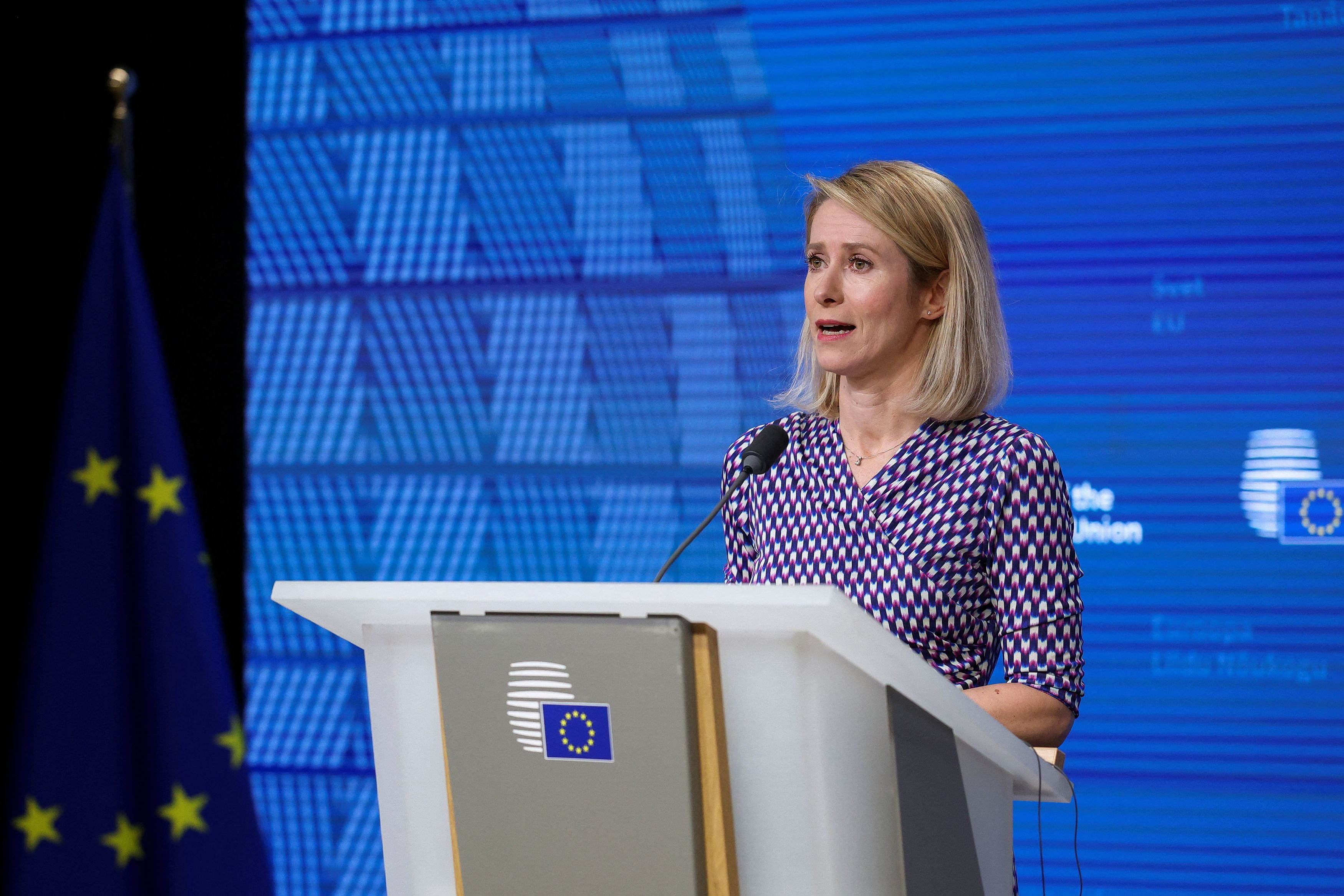
“I raised yesterday’s Libyan vote on a maritime MoU with Türkiye and stressed that it infringes upon the sovereign rights of third states,” Kallas said in a post on X following what she described as an extensive discussion with Fidan.
She also condemned Houthi attacks, describing them as “textbook terror tactics,” and called for them to end.
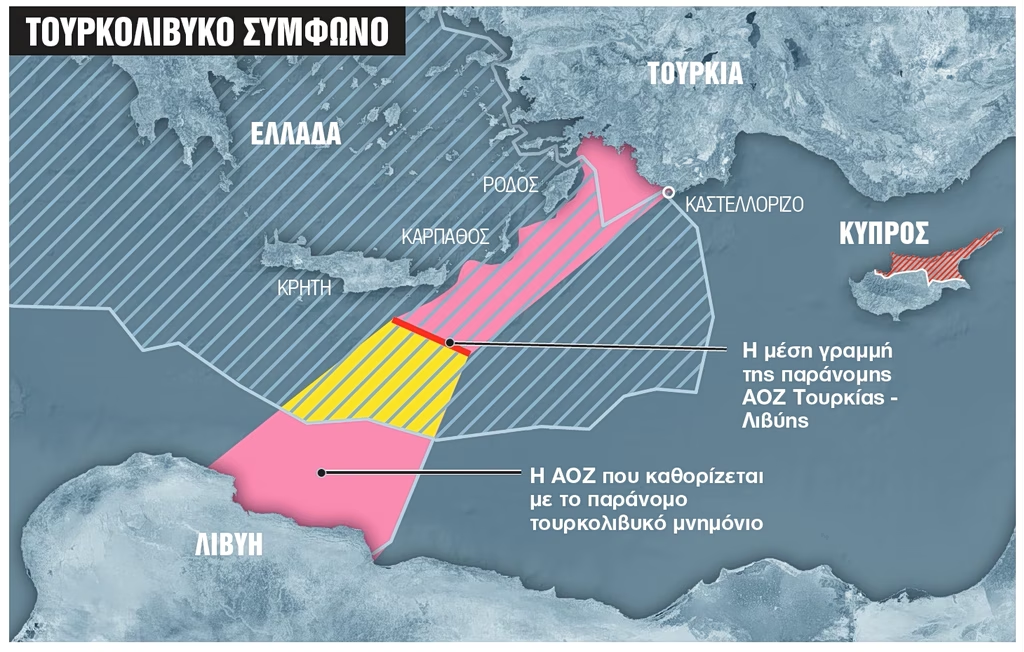
The meeting followed the approval on Tuesday by Libya’s eastern-based House of Representatives of the maritime memorandum signed in 2019 by Turkey and the then Tripoli-based Government of National Accord, led by Fayez al-Sarraj. The agreement seeks to delimit maritime jurisdiction between Turkey and Libya in the Mediterranean.
The parliamentary decision has intensified a long-running dispute over maritime boundaries and sovereign rights in the eastern Mediterranean, with Greece, Cyprus, Israel and Egypt among those opposing the agreement.
In a joint statement issued on Wednesday, European Council President António Costa and European Commission President Ursula von der Leyen said they deeply regretted the Libyan parliament’s decision and stressed that the EU’s position, established by the European Council in 2019, remained unchanged.
The two EU leaders said the agreement infringed on the sovereign rights of third states, did not comply with the Law of the Sea and was “null and void.” They reaffirmed the bloc’s solidarity with Greece and Cyprus and reiterated its opposition to outside interference in Libya.
The European Commission also confirmed on Wednesday that the maritime memorandum was among the issues expected to be discussed by Kallas and Fidan. A spokesperson said the EU was assessing the implications of the Libyan parliament’s decision in close coordination with member states, with dialogue, de-escalation and regional stability remaining priorities.
Greece has rejected the agreement as illegal and without legal effect, arguing that Turkey and Libya do not have opposite or adjacent coastlines that would justify the proposed delimitation. Athens has also said the memorandum disregards the maritime entitlements of Greek islands.