 Μake us preferred on Google
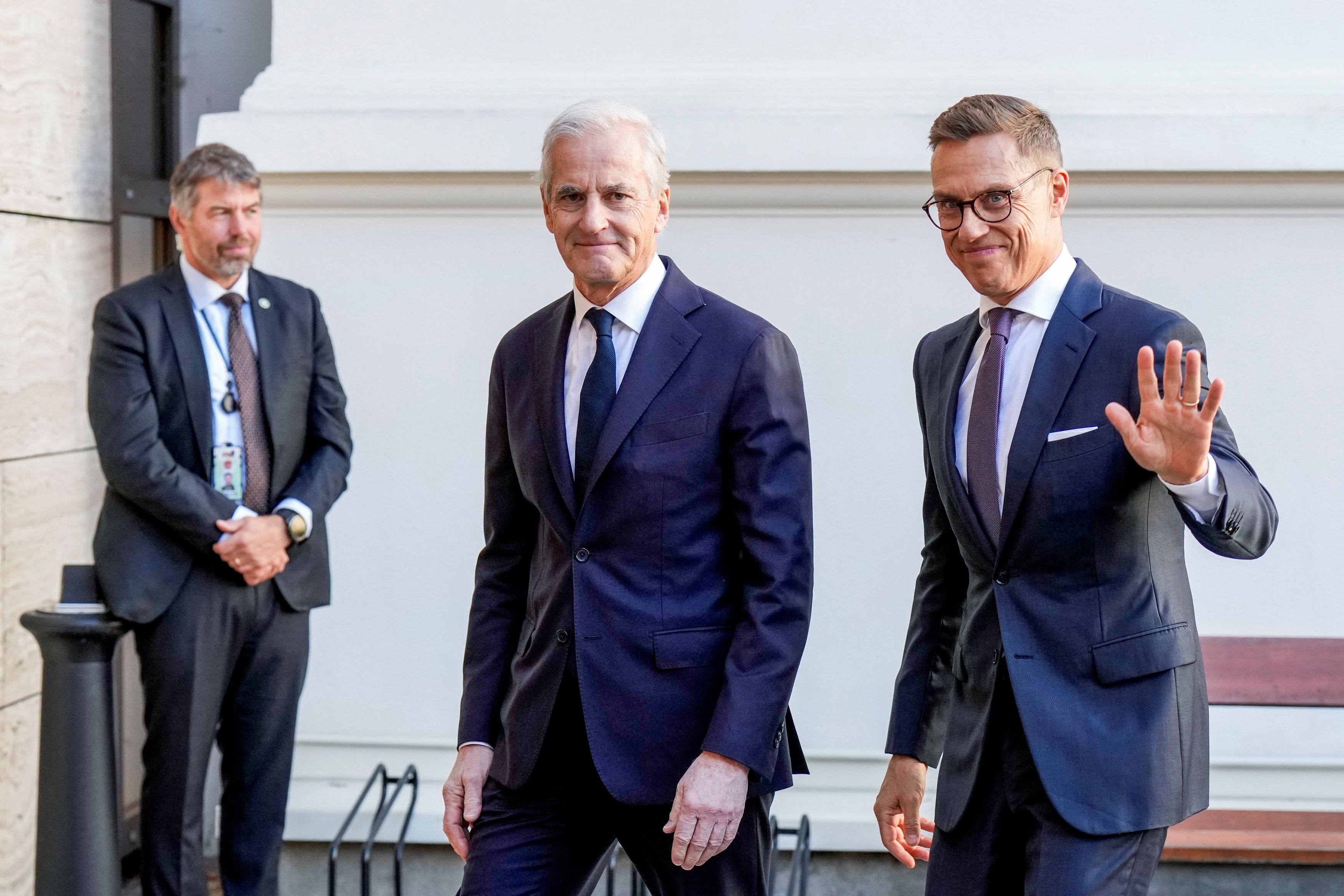
Finnish President Alexander Stubb and Norwegian Prime Minister Jonas Gahr Støre spoke by phone with Russian President Vladimir Putin on Tuesday, in a rare instance of direct contact between Western European leaders and the Kremlin since Russia launched its full-scale war in Ukraine.
The two Nordic leaders subsequently spoke with Ukrainian President Volodymyr Zelenskyy, according to a Zelenskyy aide.
The call with Putin focused on upcoming meetings in Abu Dhabi, Stubb’s office said. Zelenskyy said Friday that negotiators from Ukraine, Russia and the United States had agreed to hold technical-level meetings there in early November.
“The discussion was frank and substantive,” Stubb said in a statement following the conversation with Putin.
“We are neighboring countries to Russia. The outcome of this war will have a direct impact on our and broader European security. Ending the war requires direct discussions,” he added.
Western European leaders have largely avoided direct contact with Putin since Russia launched its full-scale invasion of Ukraine in February 2022. Moscow has repeatedly accused European governments of fueling the conflict by providing weapons to Ukraine and refusing direct talks.
Russia has contrasted that approach with that of U.S. President Donald Trump, who has engaged directly with Putin and sought, so far without success, to broker a peace agreement.
Stubb and Støre stressed that they participated in Tuesday’s call as the leaders of Finland and Norway respectively and were not speaking on behalf of Europe as a whole.
Both countries will continue their longstanding support for Ukraine, they said.
Talks Follow Diplomatic Meetings in Oslo
Tuesday’s calls follow a series of recent diplomatic contacts ahead of the planned negotiations in Abu Dhabi.
Stubb and Støre met U.S. special envoy Steve Witkoff and Zelenskyy in Oslo last week.
A day later, Witkoff met Putin in St. Petersburg.
Following the Putin-Witkoff meeting, the Kremlin said Russia was prepared to resume U.S.-mediated peace talks with Ukraine in November, which would mark the first such negotiations since February.