
 Μake us preferred on Google
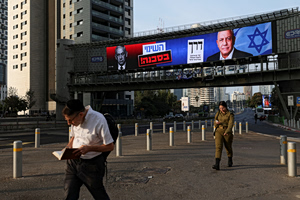
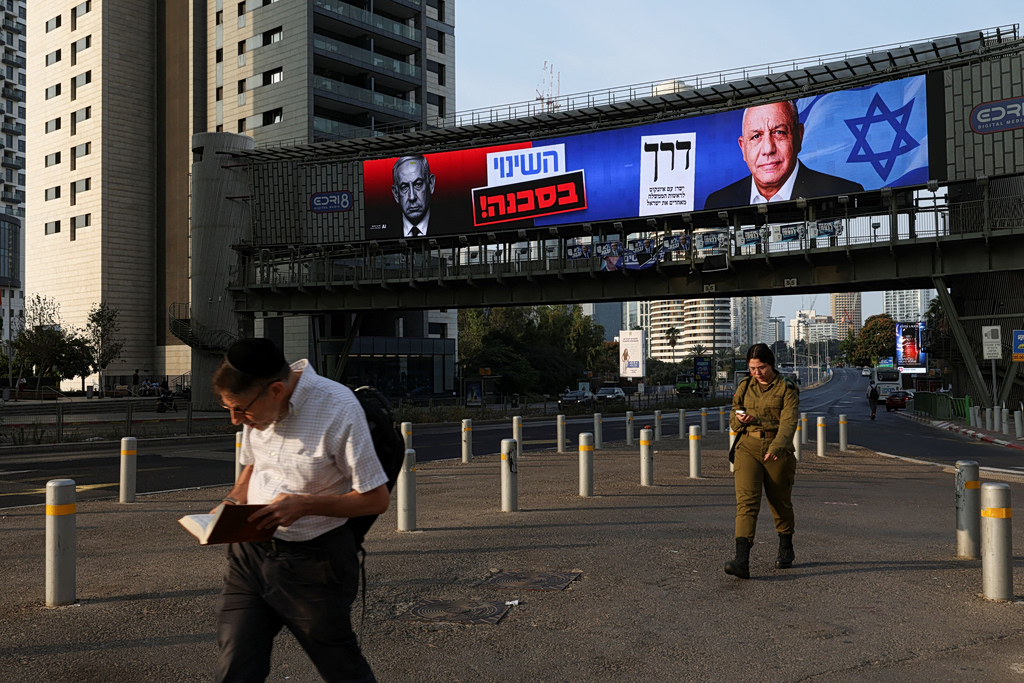
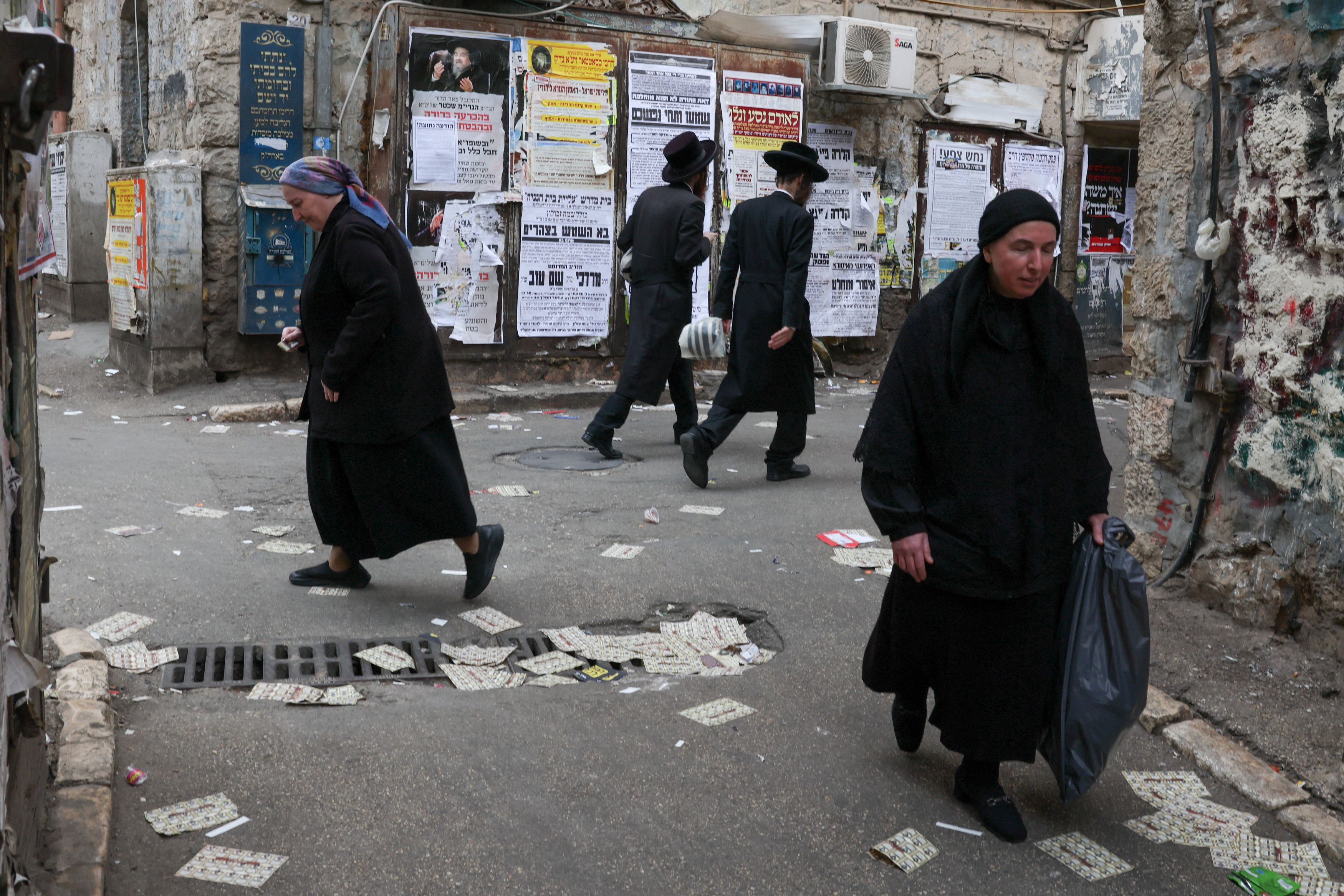
Israelis turned out early and in large numbers on Tuesday, casting ballots at a pace not seen since 1981 in an election that has become a test of Prime Minister Benjamin Netanyahu’s handling of the country’s conflicts over the past three years.
Polling stations opened at 7 a.m. local time and are scheduled to close at 10 p.m. According to the Central Elections Committee, 16.7% of eligible voters had already voted within the first three hours.
Voters described the stakes in stark terms. Ruth Epstein, 81, a longtime left-wing voter from Ramat Gan, outside Tel Aviv, said she had backed the opposition Democrats and was frightened about where the country was heading. In Jerusalem, Netanyahu supporter Louis Lipsky said he voted to keep the prime minister in office, pointing to the normalization deals with several Arab states reached under the 2020 Abraham Accords.
The vote follows the Hamas-led assault of October 7, 2023, and the wars that followed in Gaza, Lebanon and Iran. Netanyahu’s right-wing government has drawn criticism at home and abroad, but the prime minister has presented himself as the leader best equipped to confront Israel’s enemies. He has also leaned on the backing of U.S. President Donald Trump, who has urged the two allies to “finish the job” against Iran.
Netanyahu has proven difficult to dislodge. His coalition of right-wing, far-right and ultra-Orthodox parties benefits from a fractured political landscape that makes it hard for opponents to unite. Since 2009, his rivals have pushed him out of the premiership only once, after four inconclusive elections over two years, and he returned to power a year and a half later. If no candidate can assemble a majority this time, Netanyahu could remain in office as caretaker until another vote is held.
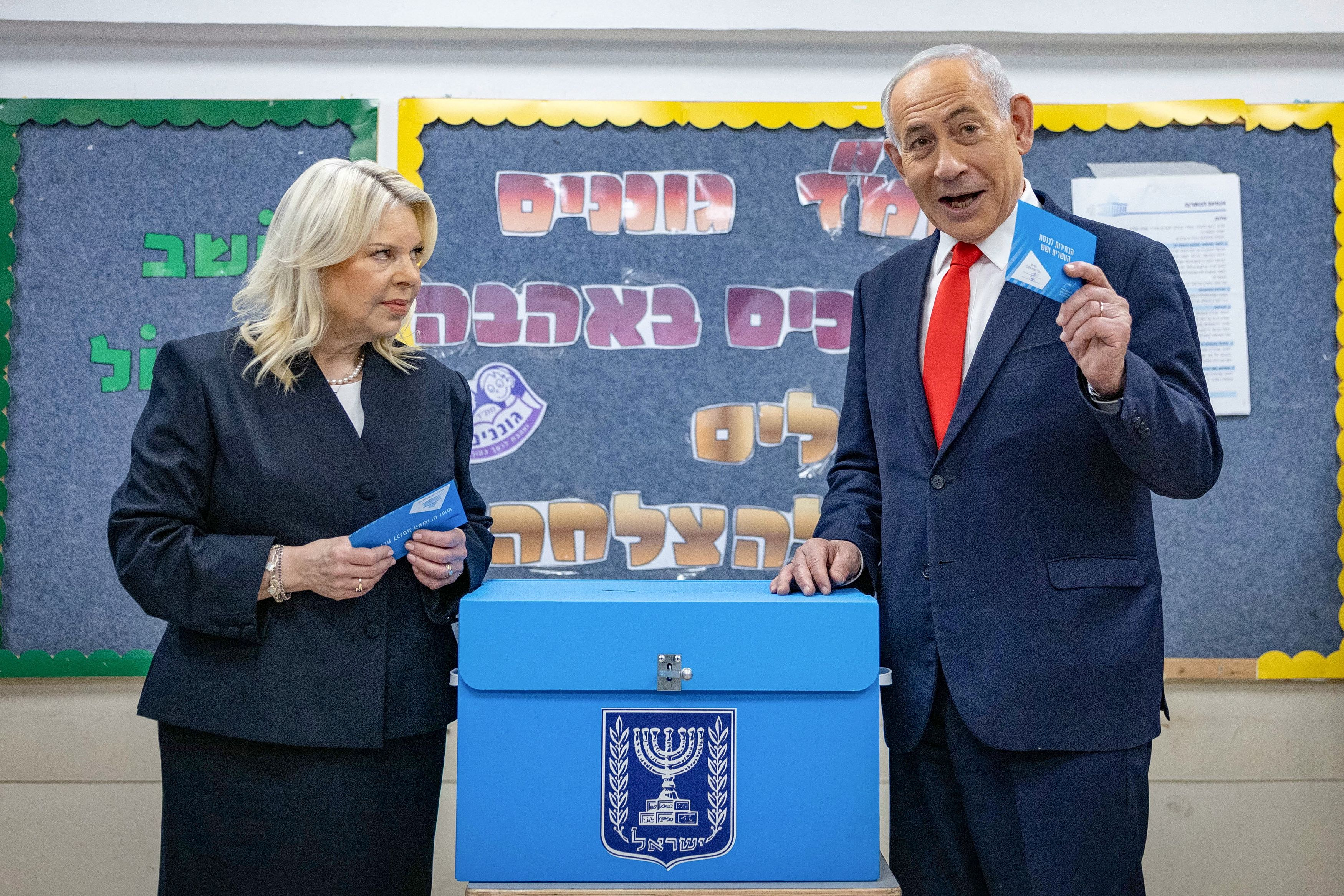
Israel’s Prime Minister Benjamin Netanyahu and his wife Sara prepare to vote at a polling station in Jerusalem on October 27, 2026, on the day of Israel’s legislative election. YONATAN SINDEL/Pool via REUTERS
His leading challenger, former military chief Gadi Eisenkot, is relying on a coalition of center and right-leaning parties, along with what remains of a weakened left. Surveys point to a close contest.
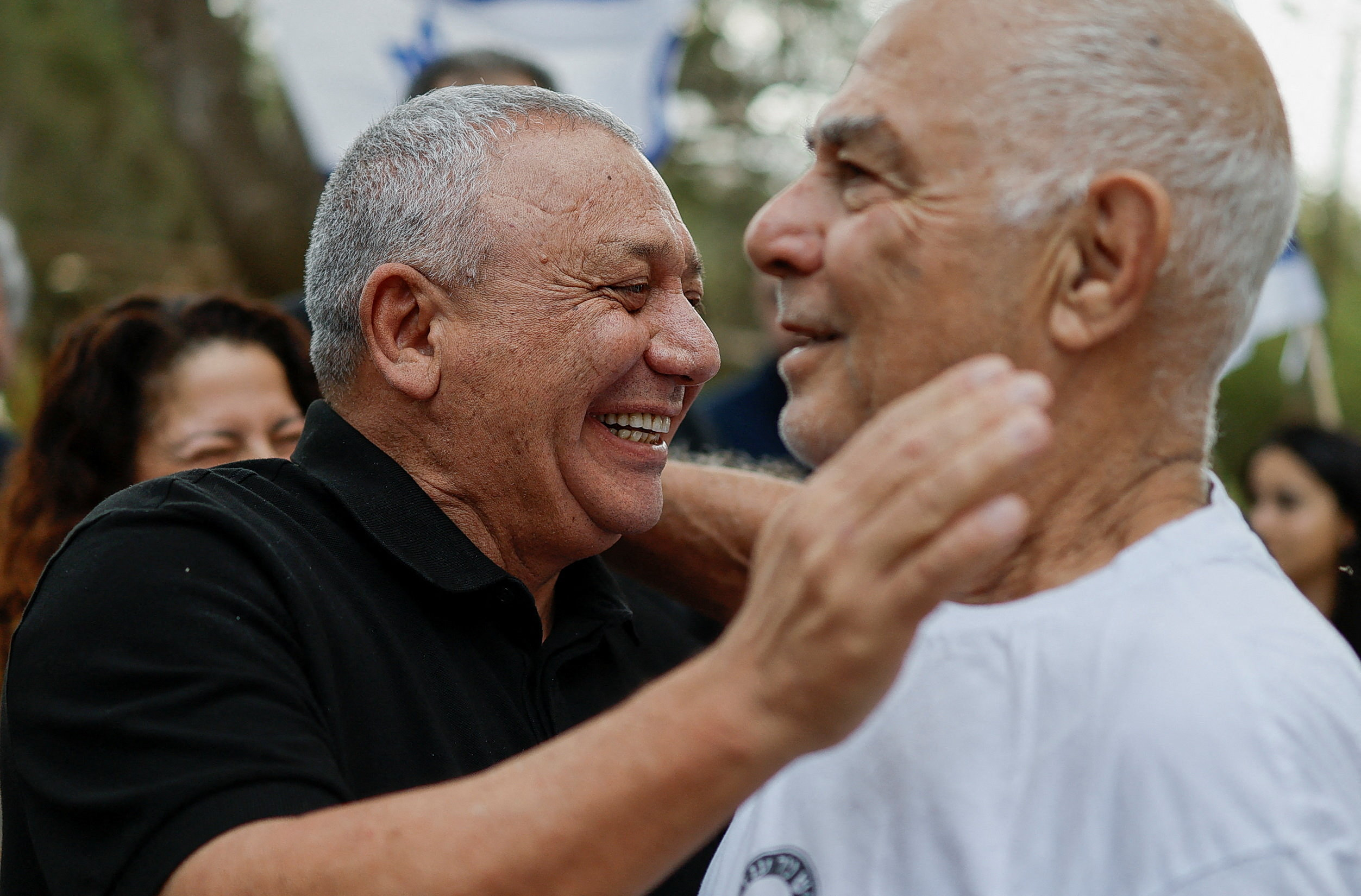
Former Israeli military chief Gadi Eisenkot, leader of the Yashar party, embraces former hostage Gadi Moses, during the national election, in kibbutz Nir Oz, southern Israel, October 27, 2026. REUTERS/Amir Cohen
Eisenkot Visits Nir Oz
For much of the opposition, the central issue is accountability for the security failures that allowed the 2023 attack. Opposition parties have pledged to establish a national commission of inquiry, a step the current government has blocked.
Eisenkot spent part of election day at kibbutz Nir Oz, one of the communities hit hardest in the attack, where he said he expected the results to bring a fresh start for the country and a correction for the years since. He went to vote alongside Gadi Mozes, who was among the 251 people abducted to Gaza in an assault that killed 1,200 people.
Eisenkot has argued that Israel’s military campaign in Gaza, in which local health authorities say more than 74,000 Palestinians have been killed, fell short because Hamas still controls the territory.

Former Israeli military chief Gadi Eisenkot, leader of the Yashar party, walks with supporters during his visit to kibbutz Nir Oz as the country holds a national election, southern Israel, October 27, 2026. REUTERS/Amir Cohen
Netanyahu Raises Integrity Concerns
Netanyahu’s first public remarks of the day came on X, where he shared a report about police arresting three people in connection with an alleged attempt to bribe voters. He called on Likud supporters to turn out in large numbers to protect the integrity of the vote.
Critics of the prime minister have warned he may seek to question the legitimacy of the election process. His office denies this.
Far-right leader Itamar Ben-Gvir voted early in the West Bank settlement of Kiryat Arba. He said he was confident Netanyahu would win and that his party would form the right-wing backbone of the next government.
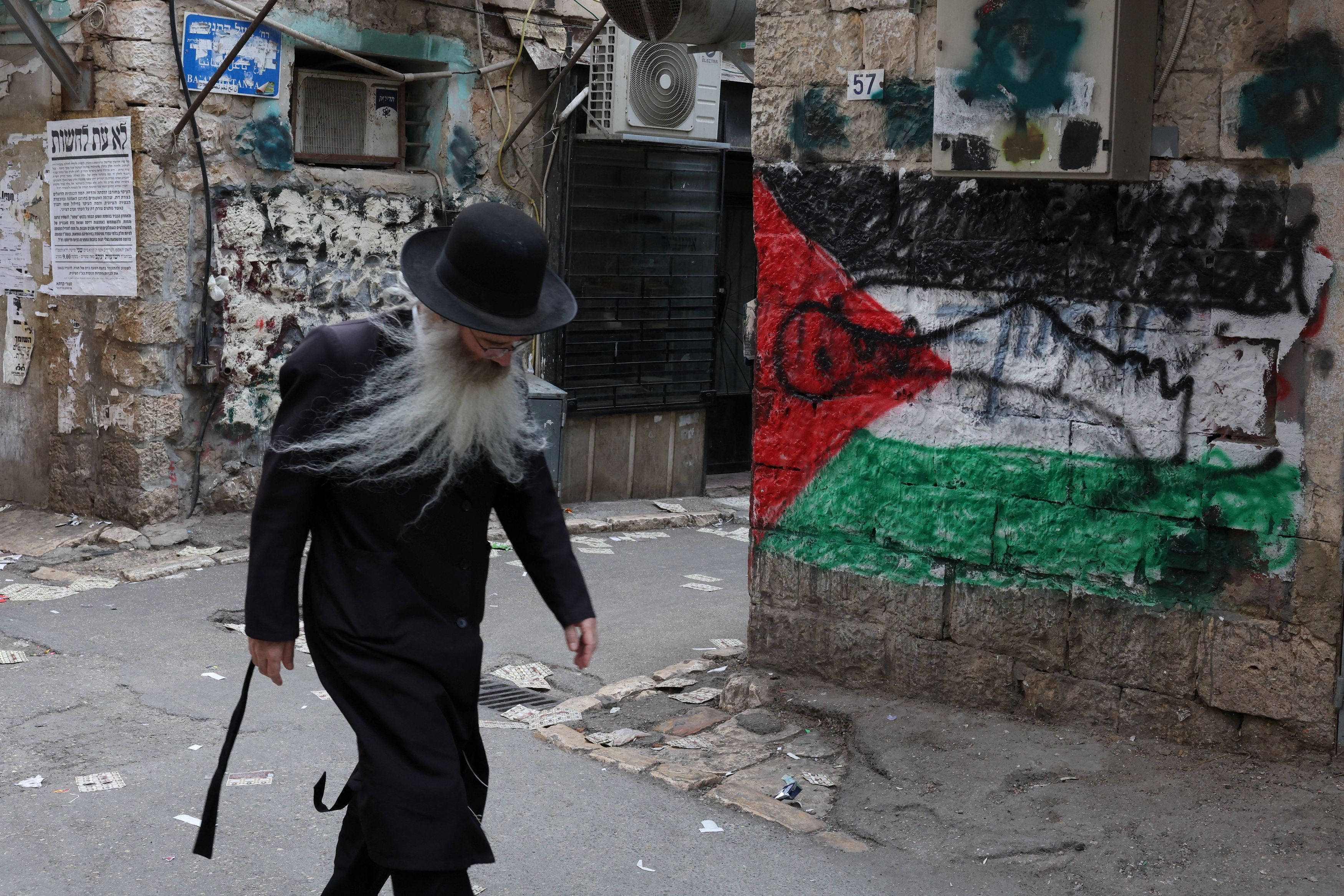
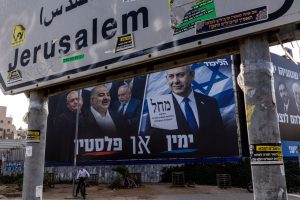
An Ultra-Orthodox Jew passes by a defaced Palestinian flag painted on the wall during the country’s national elections in Jerusalem, October 27, 2026. REUTERS/Kevin Coombs
Arab Voters Could Tip the Balance
Ahmed Tibi, a Palestinian citizen of Israel and candidate, said Arab voters were participating at record levels. Eisenkot has refused to bring Arab parties into a coalition, saying they do not share common values. Some analysts, however, see a scenario in which those parties support a minority government from the outside in order to end Netanyahu’s tenure.
Amotz Asa-El, a political analyst at the Shalom Hartman Institute, said he expected a narrow outcome for whichever bloc comes out ahead, with no decisive victory for either side.
Gaza and the Wider Region
Israel’s offensive after the 2023 attack left much of Gaza in ruins. Under a U.S.-brokered truce that took effect about a year ago, Israeli forces still hold roughly two-thirds of the territory.
Israel also inflicted major losses on Iran-backed Hezbollah in Lebanon and exchanged strikes with Iran, including a 12-day air campaign against Iranian nuclear facilities in 2025 and this year’s joint war with the United States.