 Μake us preferred on Google
In mid-February, one of President Trump’s economic advisers arrived at the Oval Office with charts showing how the administration’s policies might be making America great again.
Household income was up, particularly among low-income Americans. Retirement accounts were soaring. And the nation’s economic growth was even better than projected.
“This is great stuff,” said Trump. He had completed his first year back in office, and his power seemed limitless. The president had complete control of Congress, U.S. business leaders were following his lead and the Democratic Party was in disarray.
Within days, Trump made a decision that would change everything.
After campaigning on ending foreign wars, Trump wagered on one of his own, triggering an open-ended conflict that has seen the deaths of more than 20 U.S. servicemembers , cost U.S. taxpayers more than $47 billion, and pushed up the cost of everything from freight to fertilizer.
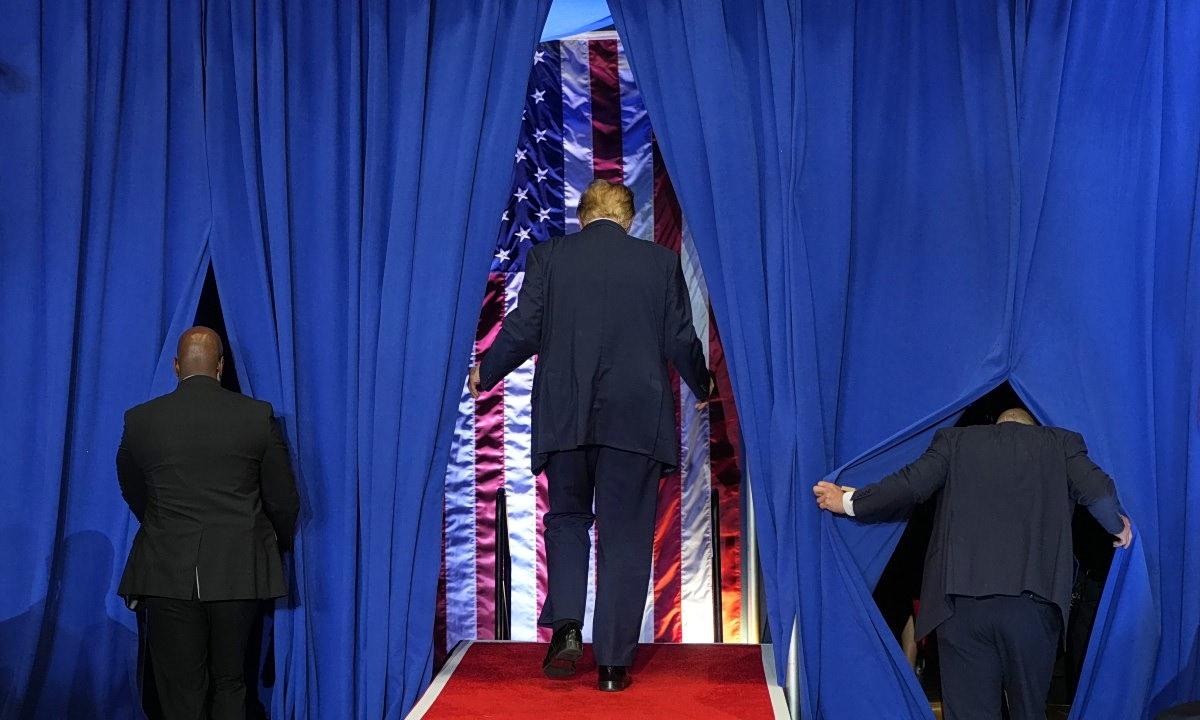
On Tuesday, Republicans suffered losses that amounted to one of the most decisive repudiations of a president in modern history. It was likely a direct result of Trump’s decision to go to war in Iran, sending gas prices up 40%, leaving many of his most loyal supporters disillusioned and effectively drawing a curtain on the Trump age.
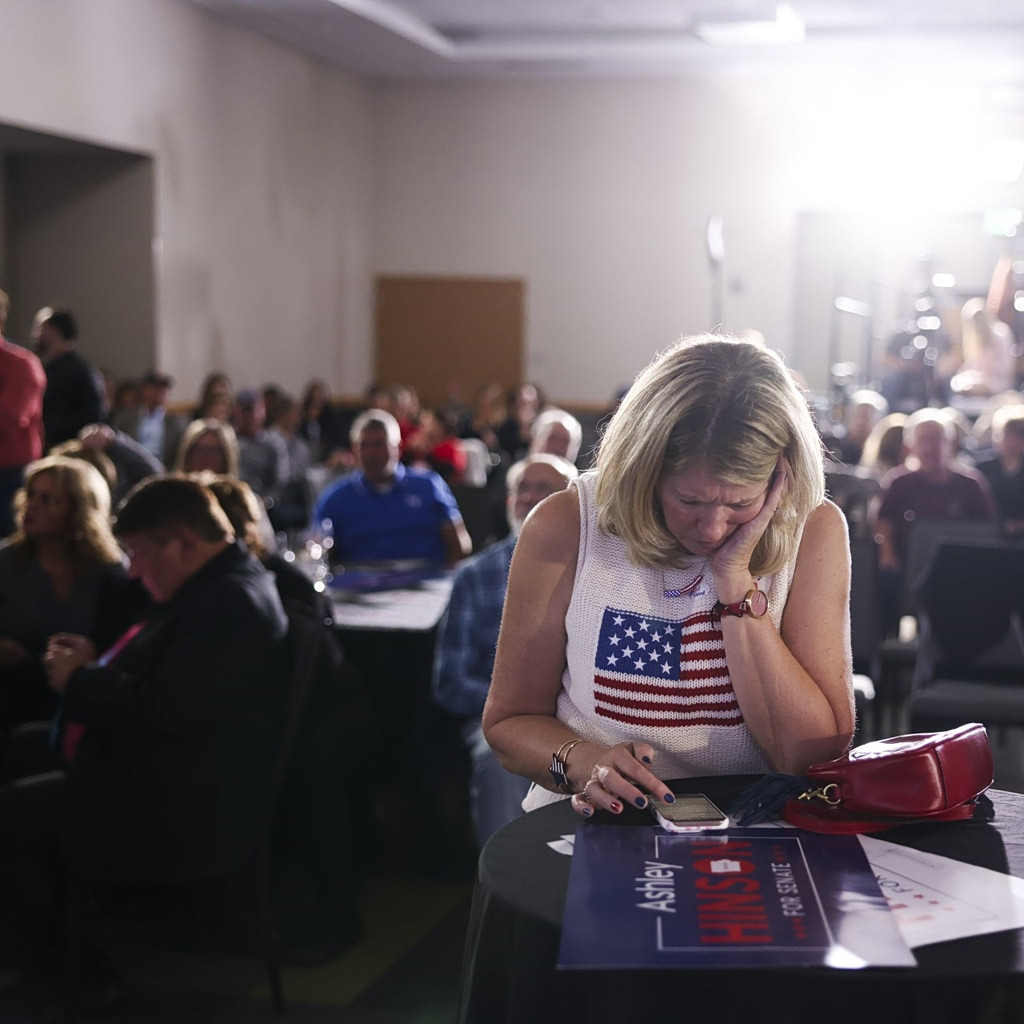
A supporter watching returns at Ashley Hinson’s election night watch party in Cedar Rapids, Iowa. Tim Gruber for WSJ
Conservative commentator Matt Walsh described the war as “the greatest political blunder in the last two decades,” and a betrayal of Trump’s America First movement. “We’re going to have to find a new leader because Trump abandoned it,” he said in an interview.
In the spring, when advisers told Trump that the Iran war could hurt Republicans in the midterm elections, Trump told them there was plenty of time to figure it out, according to people familiar with the remarks.
While Trump publicly defended the war, privately he asked people around him whether he should change course, including junior staffers who gathered for a photo. A White House official said Trump wasn’t indecisive but always solicited feedback.
The war wasn’t the only issue contributing to Tuesday’s crushing defeat for Republicans. Trump also lost his advantage on immigration. An aggressive enforcement operation brought illegal border crossings to the lowest level in decades , but it led to conflicts in U.S. cities that resulted in the shooting deaths of two Americans in Minnesota last winter. On Tuesday, counties that were 80% or more Hispanic favored Democrats by 40 percentage points.
Trump vacillated on immigration throughout the year, sometimes telling aides he wanted a bigger crackdown. After first lady Melania Trump complained about people she knew getting deported, the president would tell aides that the architect of his aggressive immigration campaign, Stephen Miller , had gone too far . Republicans in Texas and Florida privately complained to the White House.
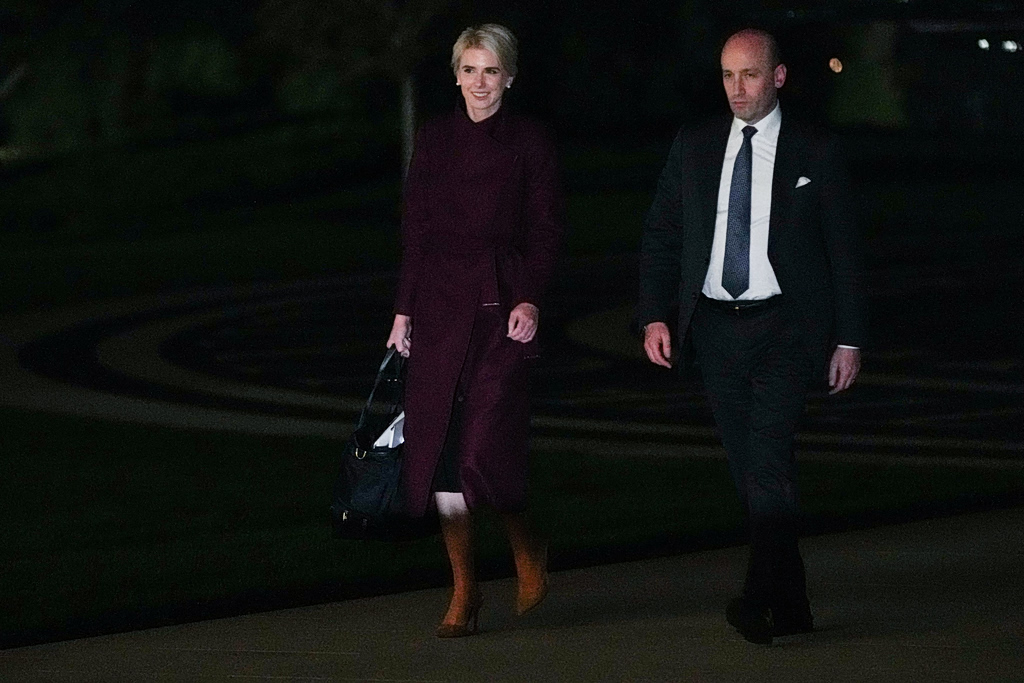
White House deputy chief of staff Stephen Miller and US President Donald Trump’s Executive Assistant Natalie Harp walk across the South Lawn while returning to the White House after traveling with Trump to South Carolina, in Washington, DC, US, October 21, 2026. REUTERS/Nathan Howard
At times, Trump told aides he didn’t care about the midterms at all, said a senior administration official who talked to him. The president was tired of worrying about domestic political issues that he didn’t think mattered as much as foreign policy and his legacy, the official said.
When Trump’s aides told him in the spring and summer that polls showed voters concerned about his handling of affordability, he said the polling was fake, the senior administration official said. He said in one meeting that he didn’t commission any polls in 2016 but still won, the official said.
Trump also pushed out of Senate races Republican candidates who would have faced better odds, including in Georgia, South Carolina, North Carolina and Texas. He instead anointed candidates he believed would be loyal to him. Democrats won in all four of these states. Trump advisers played down his role in the loss, saying he attended 30 rallies and that other candidates he didn’t pick would have lost too.
“It really didn’t have to be this way,” said Rep. Ralph Norman , the Republican who lost the South Carolina Republican nomination to Sen. Darline Graham after Trump swooped in. “Pride goeth before the fall. It’s going to be a wake-up call for the Republican Party.”
By August, polls showed Republicans had lost their edge with voters on the economy . Trump aides grew deeply concerned in August when internal polling showed voters overwhelmingly blamed Trump for inflation over Democrats. They also saw his poll numbers fall when gas prices rose.
Advisers including Newt Gingrich and Sean Hannity gently urged Trump to give more attention to affordability. Gingrich said Wednesday the party had lost the affordability fight.
Still, the president continued to surround himself with upbeat views. At a summer fundraiser in Texas, his personal aide Natalie Harp told donors about a poll that showed he was the most popular Republican president ever, an attendee said.
In September, gasoline prices in the U.S. shot up 16 cents in a single week. Not long after, diesel prices hit a record high. When Democratic House campaign strategists met to decide where, district by district, to invest resources in the final weeks, they zeroed in on what they had viewed as safe Republican seats. That included open seats in Florida and Texas that Trump had won by more than 10 percentage points in 2024, according to people familiar with the meeting.
Meanwhile, national Republican strategists were unnerved by internal polling that showed GOP seats under threat in deep-red states and congressional districts. On one Republican call, a pollster said, “People will mark the last week of September as the week the bottom fell out.”
Trump largely rebuffed suggestions that he moderate his positions, advisers said, sometimes reminding his team that he was the president.
Senate Majority Leader John Thune repeatedly tried to bring up the affordability issue when Trump would call to talk about killing the filibuster or the Save America Act, the voter legislation he wanted, people familiar with the sometimes tense calls said.
When Trump wanted to veto a popular bipartisan housing bill, senior White House official James Braid sent a note to other staffers asking them to help persuade the president to sign it. Trump shut down the lawmakers and advisers favoring the bill, scuttling a news conference so late that some lawmakers arrived anyway. Nobody cares about this , he told one adviser.
Aides eventually persuaded him to let the housing bill become law without his signature.
In the final weeks of the campaign, Trump played down high gasoline prices and often veered off script, drawing attention to his remarks about the physiques of male candidates he was supporting. He told advisers that talking about Ohio Sen. Jon Husted’s backside was making him more “interesting” to voters. Husted was defeated on Tuesday. Trump advisers said the president did more in 30 rallies to promote some of the candidates than the candidates did to promote themselves.
Allegations of corruption involving the administration and the Trump family became a top concern for voters. Yet Trump continued to focus on pet projects, including a new White House ballroom and a proposed 250-foot triumphal arch. On flights, he huddled with aides about what should be done about the Kennedy Center. He interrupted Oval Office meetings to show off his latest plans, at one point leading a guest outside to see how he attached gold letters reading “The Rose Garden.”
Aides said it was a waste of time to tell him to stop talking about the ballroom because he held several long meetings a week on the topic and enjoyed giving tours.
On Monday, the day before the midterm election, Trump gave a nearly hourlong speech at the Lincoln Memorial reflecting pool that aides had billed as a final argument to voters. Trump mostly talked about his renovations of the capital, including cleaning up graffiti, resodding the mall and replacing rusty pipes. One of the project’s biggest foes, he said, had been algae.
“We have a lot of great things planned for Washington,” he said, but declined to elaborate. There wasn’t enough time, he said, to discuss his plans for the nation.
After the reflecting pool event, Trump was ebullient, a person who spoke to him said. The election was going to go well, he said, because there was great spirit among Republicans. If not, he said, he didn’t deserve the blame. He had done all he could do.
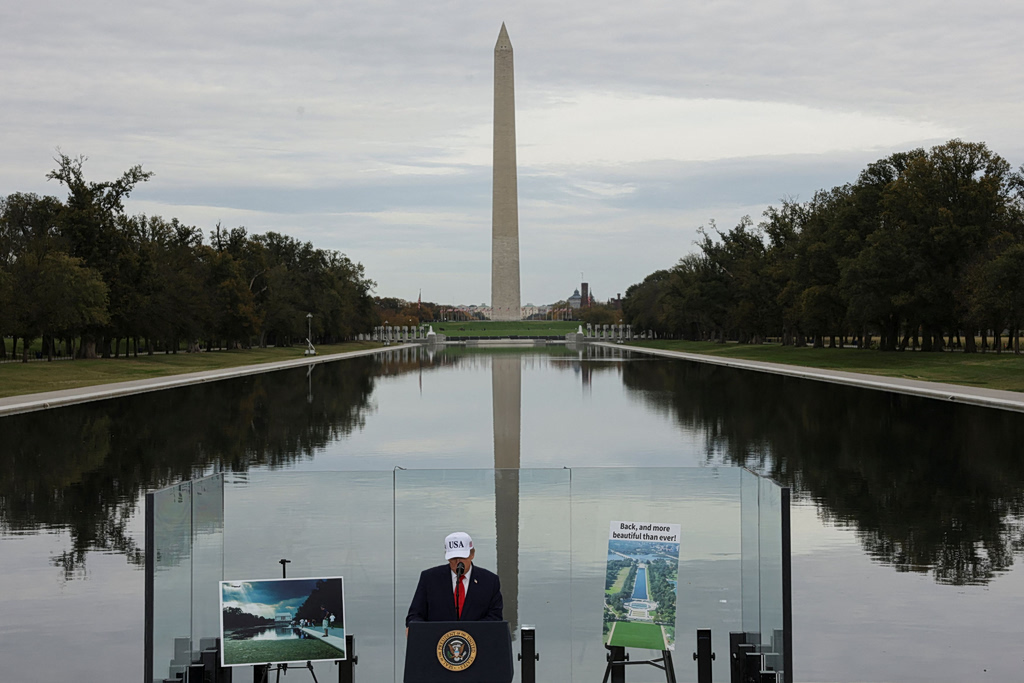
US President Donald Trump delivers remarks ahead of the midterm elections at the Lincoln Memorial Reflecting Pool, after being reopened following months of repairs, on the National Mall in Washington, DC, US, November 2, 2026. REUTERS/Jonathan Ernst
“The biggest issue is that I wasn’t on the ballot,” he told The Wall Street Journal.
Yet, Trump had said repeatedly that voters should imagine that he was on the ballot.
Two strikes
The first big cracks in Trump’s administration appeared this year on an icy Minneapolis street, well before the war in Iran.
In January, after Alex Pretti was shot in the back by a Border Patrol officer, Trump advisers including Miller and Department of Homeland Security Secretary Kristi Noem defended the officers and labeled the 37-year-old intensive-care nurse a “domestic terrorist.”
Trump, several advisers said, told aides he worried about videos that showed the killing. He instructed press secretary Karoline Leavitt to distance him from comments made by his team. He told Tom Homan, his immigration czar, to go to Minneapolis and “fix it.”
When Trump took office, he saw immigration enforcement as a voter mandate. But views soured over the government’s aggressive urban operations, including raids targeting Home Depot stores, chicken processing factories, construction sites and other venues where nonviolent offenders were rounded up.
Within weeks of the Pretti shooting, Trump had replaced Noem and told her replacement to keep immigration enforcement out of the headlines. As the agency took a lower-key approach, hard-line conservatives grew agitated, and corruption allegations emerged under Noem’s tenure.
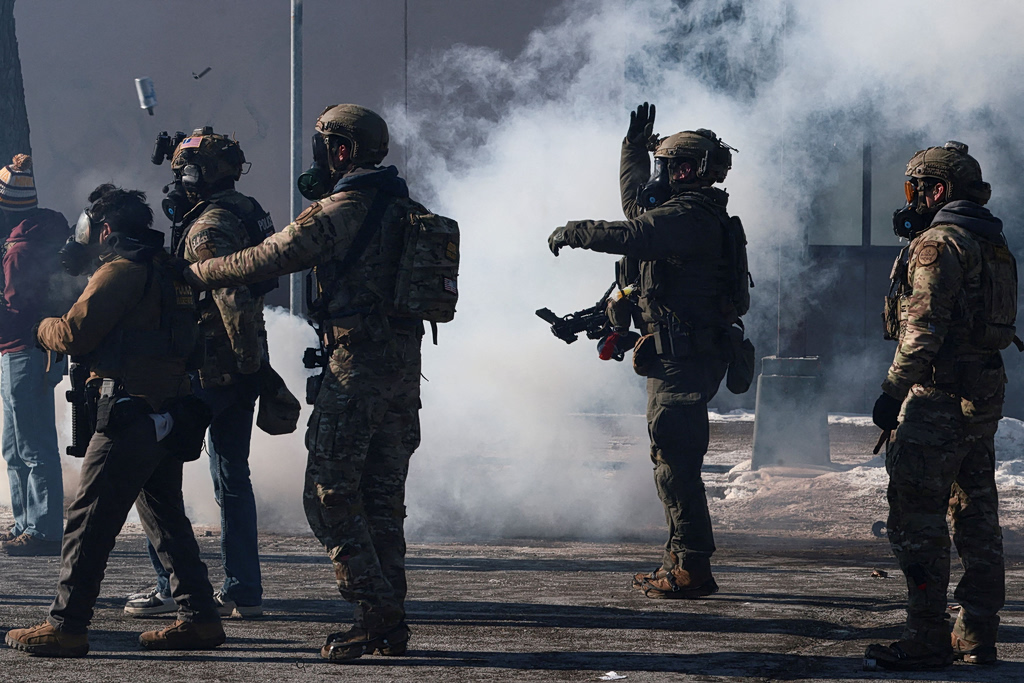
Federal agents use tear gas to disperse people gathered near the scene where federal agents fatally shot a man while trying to detain him, in Minneapolis, Minnesota, U.S., January 24, 2026. REUTERS/Evelyn Hockstein
The immigration crackdown that had helped get Trump elected had become an albatross.
Trump soon launched missiles into Iran. He dismissed concerns from other administration officials and relied on assessments from Defense Secretary Pete Hegseth. He repeatedly changed his message and tactics. Leavitt asked him to stop taking calls from reporters because his comments on the war were being interpreted as contradictory. An administration official said Trump didn’t change his message and tactics but reacted to events.
The president veered from threatening the destruction of Iranian civilization to announcing deals that weren’t yet ready. He surprised senior aides at other times with proclamations made to the news media that they didn’t know were coming. His internal polling data improved only briefly when he announced a deal with Iran that later imploded.
Trump was always more interested in striking Iran than some of his other administration officials, advisers said. It was going to be a short engagement, he told advisers. He was emboldened by the quick January raid that captured Venezuelan strongman Nicolás Maduro, a far simpler task.
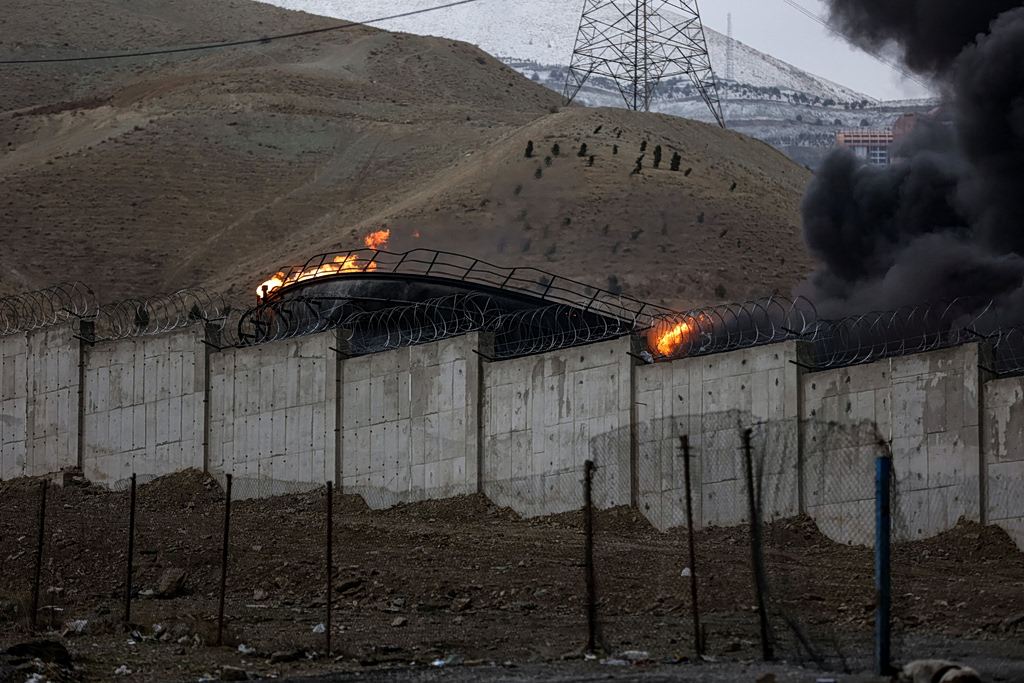
Smoke and flames rise after a reported strike on Shahran fuel tanks, amid the U.S.-Israeli conflict with Iran, in Tehran, Iran, March 8, 2026. Majid Asgaripour/WANA (West Asia News Agency) via REUTERS ATTENTION EDITORS – THIS PICTURE WAS PROVIDED BY A THIRD PARTY
When his top cabinet officials met with oil executives in March, they said the Iran war would be over by April, people at the meeting said. By May, Trump told others in White House meetings that he wanted to win and move on. Political advisers hoped that it would be over by the summer, giving enough time to refocus voter attention.
Chief of staff Susie Wiles and others urged Trump to sell the American public on the war. Trump eventually gave a 20-minute address from the White House , which didn’t sway public opinion. Afterward, the president questioned whether the speech had been a good idea.
He told different advisers, at different times, to get involved in the negotiations with Iran. At the August fundraiser, he asked an oil executive how difficult it would be to bomb Kharg Island .
Members of Congress grew frustrated with the war and the information from the Pentagon, people familiar with the matter said. Many complained to the White House, asking what the plan was to escape the conflict before the midterms. It was crushing voter support back home, they said.
Trump was shocked when he learned the military was struggling with ammunition, and he was so desperate to get fuel prices down that he made a deal with Russia.
Every attempt at a deal with Iran blew up, and the president was frustrated. How do you even negotiate with these people? he complained to advisers.
Trump’s MAGA base also grew increasingly restless. Some still seethed over his administration’s handling of the Jeffrey Epstein files . Others complained that he hadn’t done enough to pass the Make America Healthy Again agenda. Trump continued to praise data centers, which his own polls showed were overwhelmingly unpopular, and Republicans encouraged him to temper his rhetoric.
Efforts to redraw congressional maps to benefit Republicans had mixed results, and some states defied the White House after local officials said they felt bullied.
New recruits
Sen. Kirsten Gillibrand, who led the Democrats’ bid to recapture the Senate alongside fellow New Yorker, Senate Minority Leader Chuck Schumer, told members of her team that the political headwinds facing Trump reminded her of 2006, when voters rebuked then-President George W. Bush and his party over high fuel prices and the unpopular Iraq war, sweeping Democrats into majorities in both chambers.
Members of Gillibrand’s team rolled their eyes at her optimism, people familiar with the exchanges recalled. The truth was, Senate Democrats faced a brutal election map, defending seats in states Trump won narrowly, as well as needing to flip seats in states he won by double digits.
Two government shutdowns over healthcare and immigration helped rally Democratic lawmakers and the party base. Schumer eventually landed popular recruits, including former Sen. Sherrod Brown in Ohio.
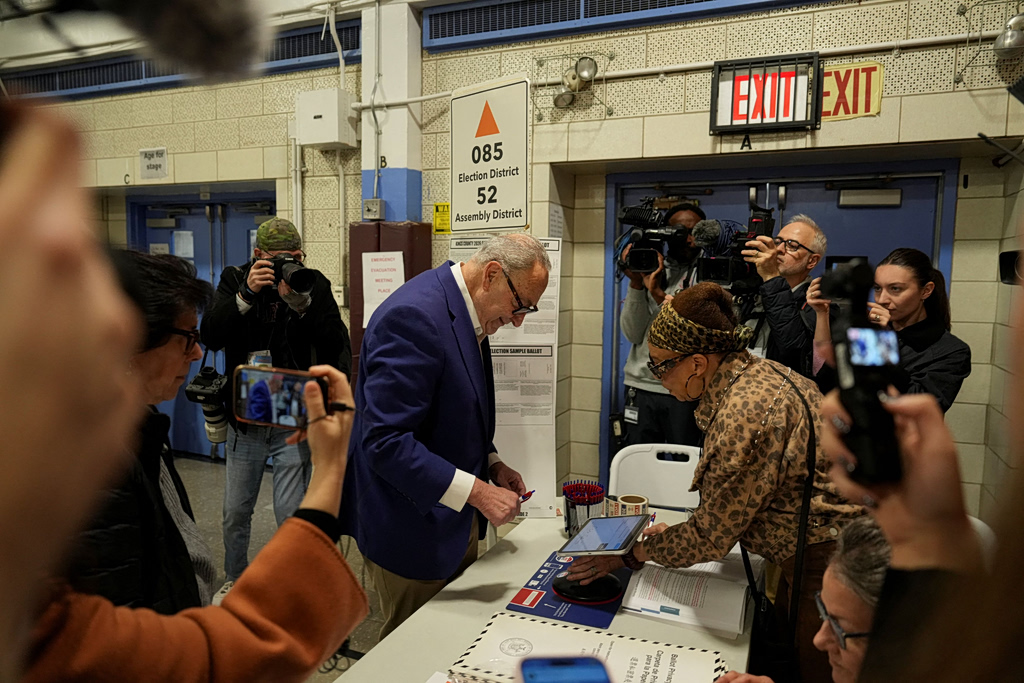
US Senate Minority Leader Chuck Schumer (D-NY) votes during the US midterm elections at a polling station in Brooklyn, New York, US, on November 3, 2026. REUTERS/David Dee Delgado
In North Carolina, popular two-term Democratic Gov. Roy Cooper had just left office last year when Schumer called and asked him to consider a Senate run. Cooper told him he was starting a fellowship and they should talk when it was over months later. Schumer put a reminder in his calendar. Before he could call, he heard back: Cooper, who won on Tuesday, was ready.
Republicans, meanwhile, struggled. In April of last year, Thune and others traveled to Georgia to try to persuade Republican Gov. Brian Kemp to run. They spent three hours in the governor’s mansion with Kemp, who was wary about the outlook for the midterms. He said he wanted to run his own race and would have to disagree with Trump at a time when Trump demanded fealty. It didn’t help that Trump had recently attacked Kemp at a Georgia rally for being “disloyal” and “a bad guy.” Kemp turned them down.
Trump made a series of other picks that Republicans came to regret, including in Texas, where neither Ken Paxton nor incumbent Sen. John Cornyn reached 50% in the state’s Republican primary, prompting a runoff .
The day after that primary, Trump called Thune to ask if he should endorse either man. The president patched in Rep. Wesley Hunt, the candidate who had come in third and forced the runoff. Hunt told them that Cornyn couldn’t win.
Hunt makes a good case , Trump told Thune.
It’s going to cost $200 million to $300 million to get Paxton over the finish line, Thune countered, a sum that would drain money from competitive states.
The base is behind Paxton, Trump said.
Thune told associates he had gotten off the phone with Trump at least six times believing he had persuaded the president to stay out of the Texas race. A draft endorsement was crafted for Cornyn. As Trump polled allies, including a group in the Oval Office, some told him that if he endorsed Cornyn, the senator would win.
By May, angry that Senate Republicans weren’t passing his voter legislation, Trump instead endorsed the more MAGA-aligned Paxton , who lost on Tuesday. He came to regret backing Paxton, advisers said, complaining about his candidacy and asking if it would have been easier to stick with Cornyn.
Democrats were contending with the rise of the far-left in the party, including those who called for abolishing police and defunding the Defense Department, views that hurt the party.
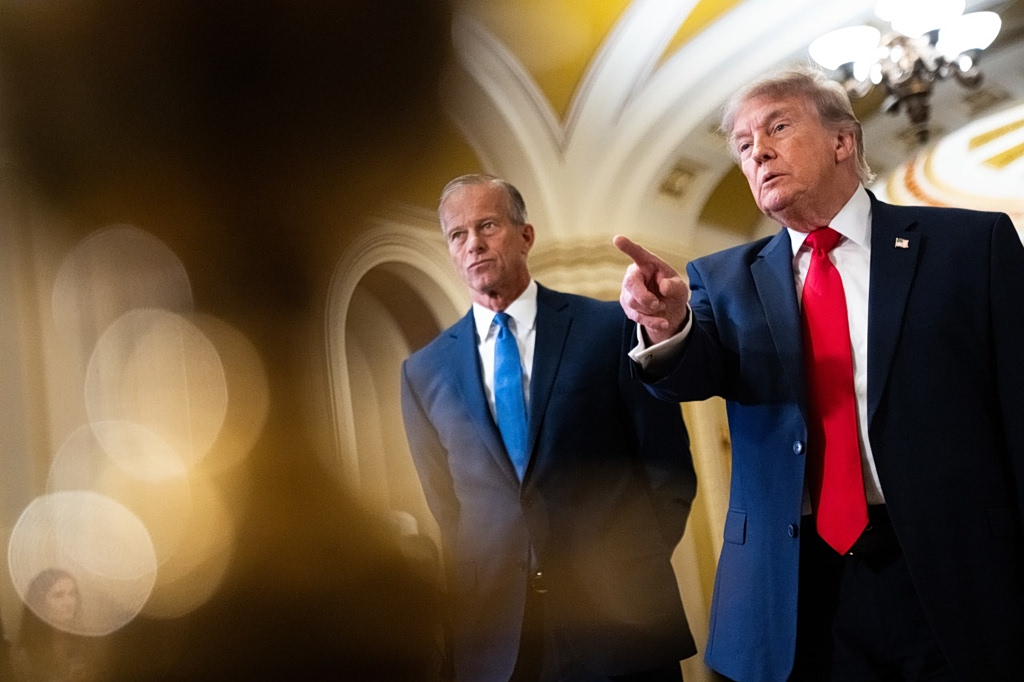
Sen. John Thune and President Trump speaking to reporters in June. Allison Robbert for WSJ
Republicans planned to make Zohran Mamdani, the 35-year-old socialist who became New York City’s mayor last year, the face of a party they would paint as out of touch with most Americans.
In September, when Trump was in New York ahead of the United Nations General Assembly, Mamdani had a surprise announcement: He had invited Trump to meet.
Republicans in the House were apoplectic, House Speaker Mike Johnson told White House officials. An image of Trump being friendly with Mamdani would hurt Republican House candidates in New York who were running on an anti-Mamdani message. Trump aides didn’t like the idea either, according to people familiar with the matter.
Trump and Mamdani met at Gracie Mansion, the mayor’s residence, just as the president wanted. Johnson later told others it was an unforced error in a difficult election year.
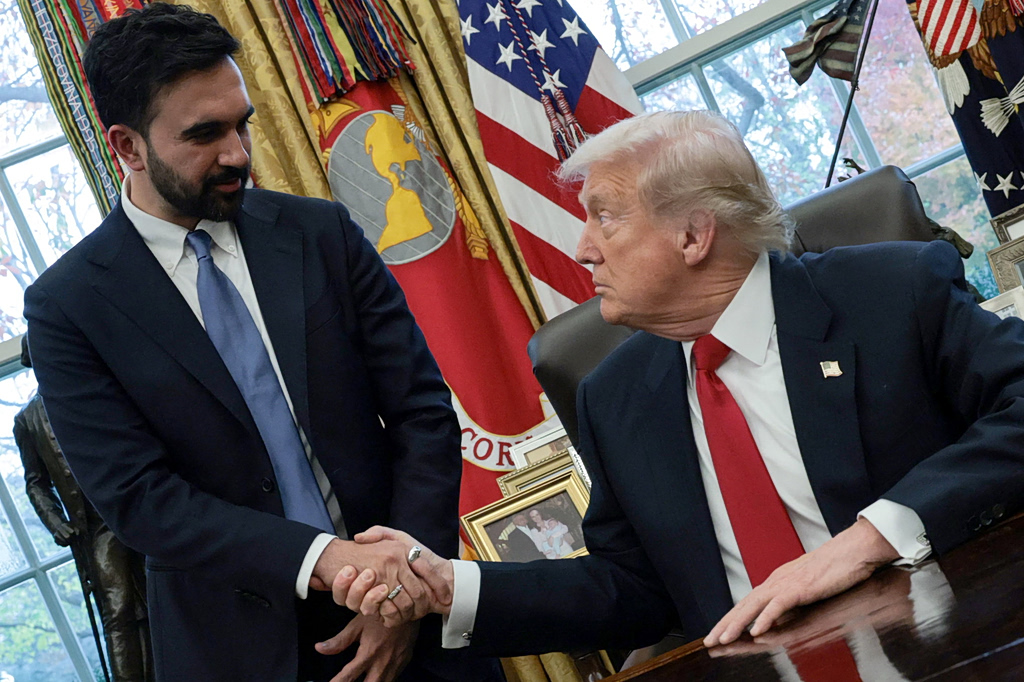
U.S. President Donald Trump and New York City Mayor-elect Zohran Mamdani shake hands as they meet in the Oval Office at the White House in Washington, D.C., U.S., November 21, 2025. REUTERS/Jonathan Ernst TPX IMAGES OF THE DAY
Trump later hosted a lavish state dinner for the world’s most recognizable communist, Chinese leader Xi Jinping, against the advice of some aides. They joked among themselves that maybe they could use the extensive ballroom construction to cancel Xi’s visit.
In early September, Trump’s Dallas midterm convention featured cowboy hats and empty seats but provided no boost for Republicans. The president spoke more about his Washington makeover, an issue one national Republican group learned was working against the party.
In focus groups during the spring and summer, voters who didn’t typically tune in to Washington news would bring up Trump’s pet projects, said a strategist familiar with the group’s work.
Among the comments the group repeatedly heard:
He doesn’t really care about what I’m going through.
It seems like he wants to put his name on everything.
By October, some Republicans felt that a spending blitz by Republican super PACs, including Trump’s MAGA Inc., would stabilize the map. The money couldn’t compete with gas prices and other pocketbook troubles.
“It was about the economy,” said Chris Winkelman, president of the Congressional Leadership Fund, a super PAC run by Johnson allies. “It was always about the economy.”
Write to Josh Dawsey at Joshua.Dawsey@WSJ.com , Alex Leary at alex.leary@wsj.com and Lindsay Wise at lindsay.wise@wsj.com