
 Μake us preferred on Google
 Think you know all the fine print on those basic-economy plane tickets? Better look again.
With airlines bringing the no-frills fares to business and first class , it’s easy to overlook continuing changes in the cabin that started this madness: economy.
I consider myself somewhat of an expert on, and occasional defender of, basic economy. I regularly lay out the restrictions to friends, family and readers looking to save money and only try to steer them away if their plans might change.
So I was surprised when I went to cancel an American Airlines basic-economy ticket someone else purchased for my son. To get a flight credit—minus the airline’s $99 basic-economy cancellation fee on domestic flights—he had to be a member of the airline’s frequent-flier program. (The good news: You could sign up on the spot before hitting “cancel.”)
Then I noticed something else: You aren’t eligible for any credit if you don’t buy your ticket directly from American. That means no Expedia and the like.
So clearly a basic-economy refresher is in order, for me and you. If you’re in the never-basic-economy camp, share this with the infrequent fliers or budget travelers in your life. Heck, laminate it. They can’t tell you that you didn’t warn them.
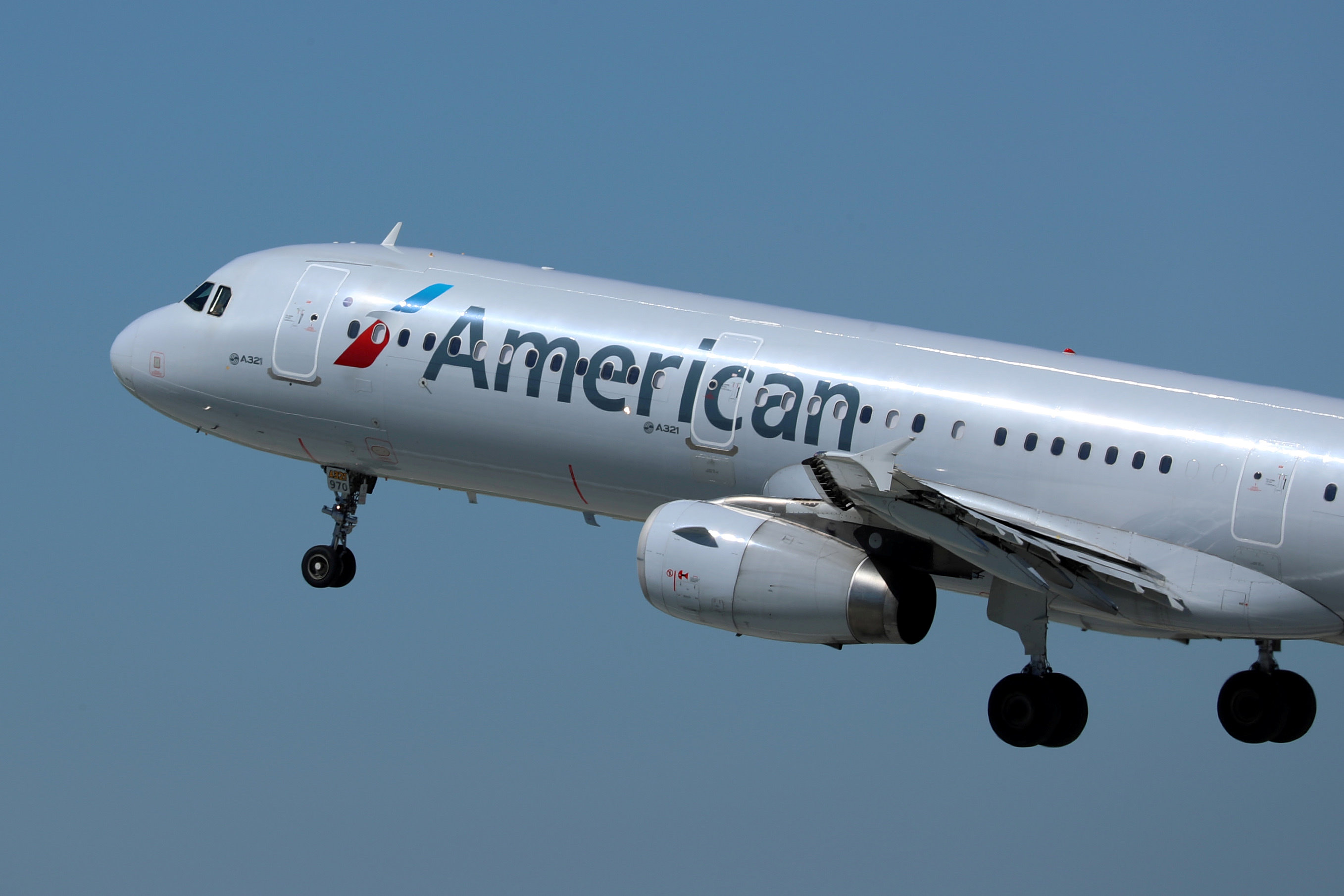
American Airlines passengers who buy basic-economy tickets must purchase them directly from the airline to be eligible for flight credits. REUTERS/Mike Blake/File Photo
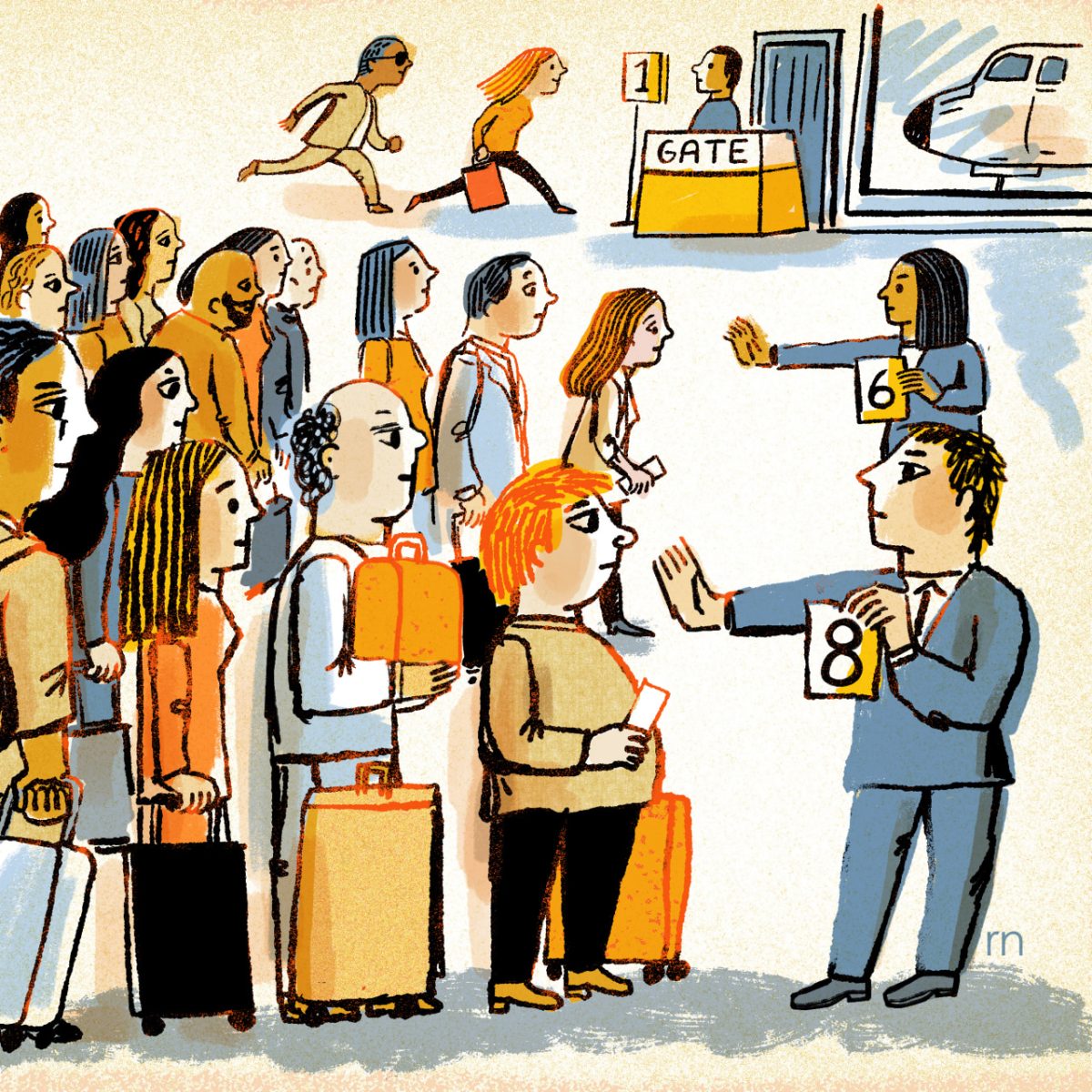
The general, basic-economy restrictions at major U.S. airlines remain the same. You don’t get advance seat selection without paying a fee and you board last.
Translation: You’re probably looking at a middle seat in the back of the plane and no room for your carry-on bag. (United still doesn’t allow basic-economy ticket holders to bring a standard carry-on bag. You have to check it.)
Where the rules are changing the most is around cancellation policies and loyalty perks and miles.
So here are some new wrinkles to be mindful of, by airline.
American Airlines: The cancellation restrictions I mentioned above aren’t the only changes. In May, the airline stopped allowing frequent fliers with status to use their seat perks when buying basic-economy tickets. (Some airlines including United and Delta also have this restriction.)
One Miami frequent flier with the airline’s highest status told me he and his wife frequently bought basic-economy tickets because they still got the airline’s extra-legroom seats free, at booking. Now they have to pay or buy up to a regular-economy ticket. He said it leaves a “bad taste.”
A spokeswoman says fliers with status still get priority boarding, bag allowances and other perks.
Late last year, American stopped awarding frequent-flier miles to basic-economy ticket buyers. Delta has long done this.
United: United really, really wants you to have its credit card. So much so that basic-economy ticket buyers no longer earn miles for their flights if they don’t have one or status in the airline’s Mileage Plus program. The change took effect in April.
Also worth noting: United has increased the fee it charges if you bring that forbidden carry-on bag to the gate if you don’t have status or certain United credit cards. If it doesn’t fit underneath the seat (they police this!) you have to fork over a $75 fee to check it, up from $65 because of the airline’s bag-fee increase . Save yourself $30 and check it at the ticket counter.
Delta: Want to visit the Delta Sky Club? No can do on a basic-economy ticket, even if you have a membership or one of those American Express credit cards that grants access. The airline is even going to restrict access to its primo Delta One Lounges beginning next year if you buy its new basic-business ticket.
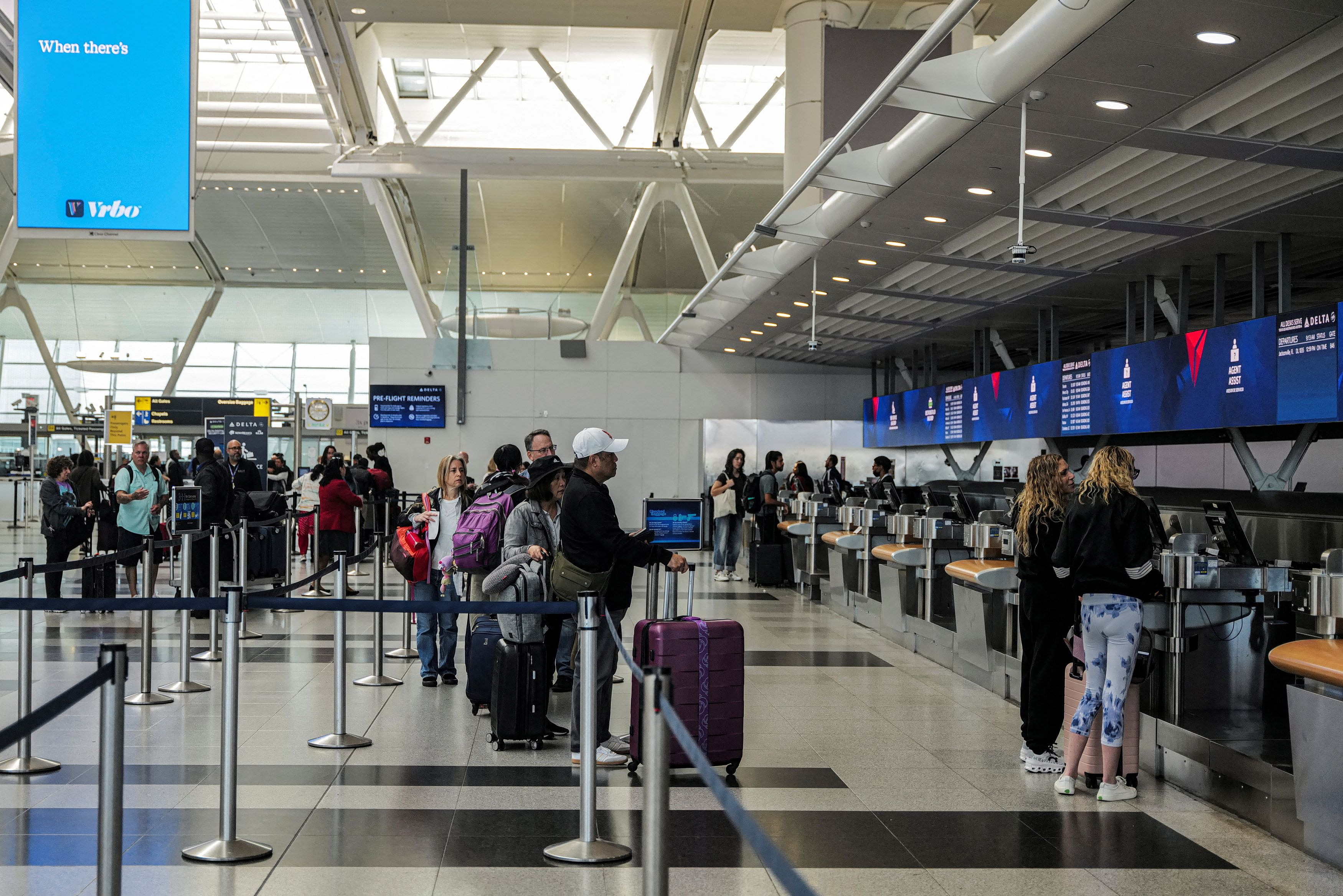
FILE PHOTO: Travellers are seen at the Delta Airlines check-in area at John F. Kennedy International Airport (JFK) in New York City, U.S., May 7, 2025. REUTERS/Jeenah Moon/File Photo
Southwest: Southwest loyalists are new to the basic-economy game. The airline revamped its fare structure and pretty much everything else about the business model when it switched to assigned seating .
The good news: Basic-economy passengers can cancel their flight for a credit without a fee. The bad: The credit expires in six months instead of the usual 12 with regular-economy tickets. Note that the six-month period dates back to the time of booking. So if you bought a basic ticket in December for spring break and canceled in March, you only have a short period to travel.
Southwest is the only airline where I don’t hesitate to book basic to save money. That’s because I have status on the airline and perks apply even with basic tickets. That means I can pick a seat at the time of booking and board in Group 1.
All basic ticket holders earn points, too. Based on the trend at other airlines, we’ll see how long these perks last.
JetBlue Airways: Want to change or cancel your basic ticket? Buried in the fine print of its fare-category shake-up last week: The airline will now charge a $150 fee, up from $100. The balance is issued in a travel credit.
Basic ticket holders still earn points on their travel, and some loyalty perks, excluding seat selection, apply.
Alaska Airlines: Basic-economy passengers (Alaska calls them Saver fares) are no longer eligible to earn frequent-flier points. The new policy began Aug. 1.
Need to cancel a Saver ticket? Alaska’s restrictions are stricter than its competitors. You must cancel at least 14 days before departure for a 50% travel credit. (There is no cancellation fee.) Cancel outside that window and your ticket is worthless.
You’re probably getting the message by now: Brush up on all the restrictions before clicking “buy,” especially if you’re booking several tickets. Those cancellation fees can eat up a big chunk of the ticket value.
If you can’t live with them, bite the bullet and “upgrade.” Those are air quotes because we all know it isn’t a real upgrade. It’s a deliberate upsell to what we used to think of as basic.