
 Μake us preferred on Google
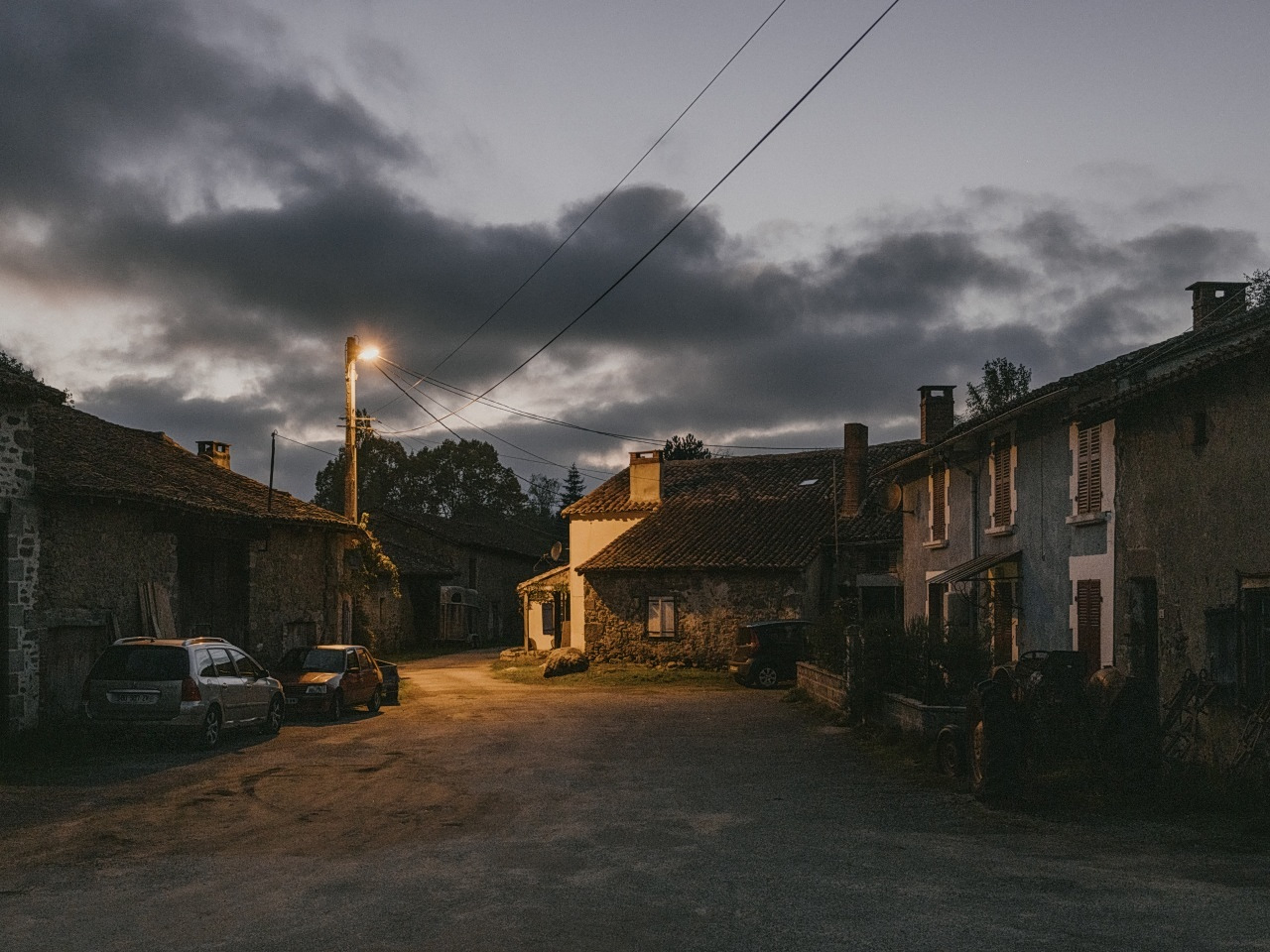
BUSSIERE-BOFFY, France—A convoy of heavily armed tactical police arrived at dawn last month in this hamlet deep in the French countryside, where cows and horses graze near camper vans belonging to people who lead itinerant, off-the-grid lives.
They broke down the front door of a stone house and arrested a slender 34-year-old environmental activist named Hodei Ciarra Docampo. He was suspected of helping set a fire that ripped through the neo-Renaissance city hall of Limoges, in one of the most shocking acts of destruction during the protests that have roiled France over the past month.
Authorities say Ciarra Docampo, his family and the community that has gathered around them are part of an “ultra left” faction that they blame for fueling the riots that have swept France . French police describe the ultra left as a loose collection of activists with a range of causes, including radical environmentalists, self-styled antifascists and anti-Israel militants. They are united by a willingness to use violence—or at least condone it—against the authority of the state.
Ciarra Docampo is dangerous, authorities say. He was flagged as a security threat in a secret French government database of people deemed to be extremists. In 2024, he was convicted of hitting a police officer during protests against a wood pellet factory, receiving a one-year suspended sentence.
“These are people who live in their own world, whom you can’t approach,” said Pascal Godrie, mayor of Val d’Issoire, a collection of towns in central France that includes Bussiere-Boffy. “To be implicated in the burning of a city hall is awful.”
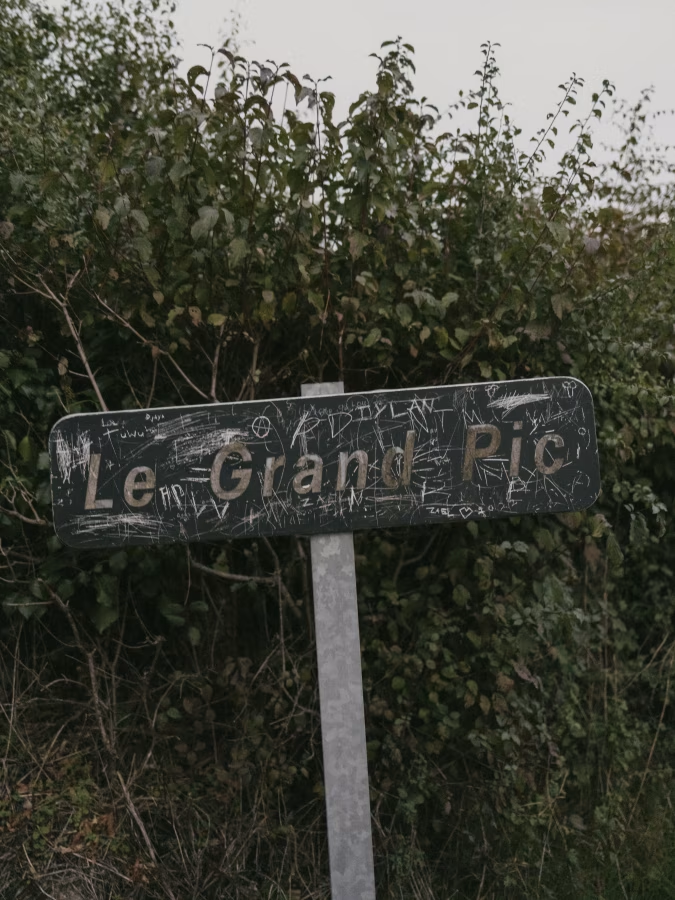
Yurts serve as alternative housing near Le Grand Pic, a hamlet in Bussière-Boffy within Val d’Issoire, central France. PHOTOGRAPHY BY PATRICK WACK FOR WSJ
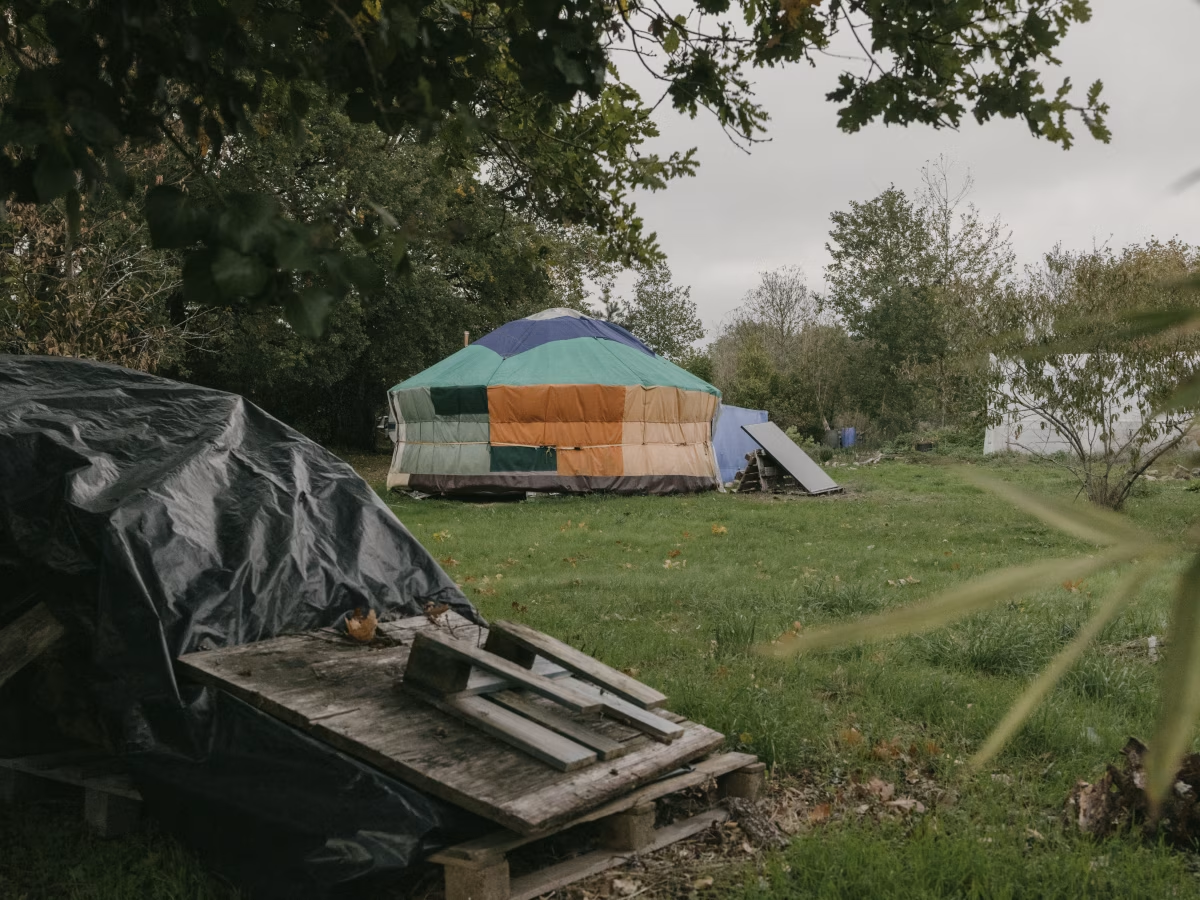
Yurts serve as alternative housing near Le Grand Pic, a hamlet in Bussière-Boffy within Val d’Issoire, central France. PHOTOGRAPHY BY PATRICK WACK FOR WSJ
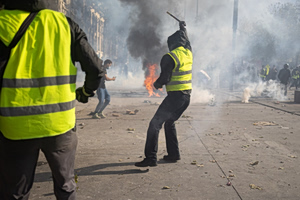
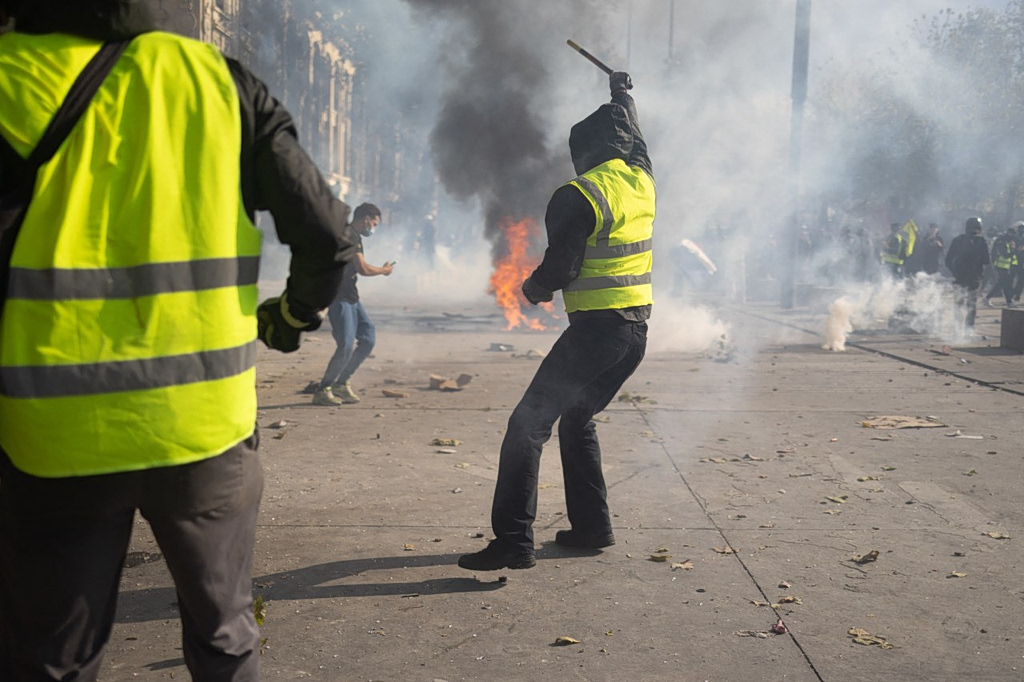
What began as a protest by high-school students seeking better schools has morphed into a widespread and sometimes violent expression of anger against the French establishment. Far-left activists have led violent clashes with the police. Looters have exploited the chaos surrounding the protests.
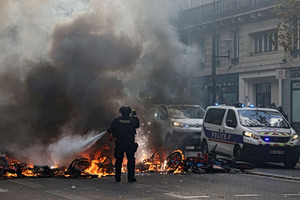
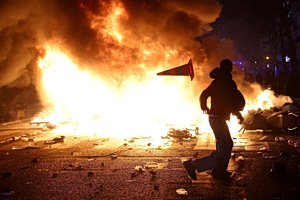
More than a thousand police and protesters have been injured. Stores across the country have been ransacked. Images of the destruction have gone viral, leaving the rest of the world to wonder whether France has become ungovernable.
Ciarra Docampo has been charged with attempted murder of a public official for allegedly setting the fire in Limoges, a crime punishable by life in prison. Officials said videos taken at the scene show Ciarra Docampo feeding a fire in the city hall by throwing a trash can inside. A court will decide on Thursday whether he should be freed or held in custody pending trial.
Ciarra Docampo’s lawyers said the evidence doesn’t show that he helped set the fire, though they haven’t addressed whether he was present at the protest. “I think the charges are very thin,” said one of his lawyers, Henri Braun.
French authorities have taken a tougher stance against extremist groups on both the left and the right in recent years. Some extremists took advantage of the broader antiestablishment yellow-vest protests to clash with police. President Emmanuel Macron’s government banned a number of far-left groups in the following years because of their violent opposition to the authorities. More recently, the government has investigated a number of far-left politicians for allegedly condoning terrorism against Israel.
Ciarra Docampo’s family and the community around them have been under scrutiny from French authorities for years. They have embraced antidevelopment and antitechnology causes that have gained traction on the far left, from campaigns against new airports to resisting the spread of smart electric meters, which they believe are a tool of government control and emit harmful electromagnetic waves.
Ciarra Docampo’s father, Fernando Ramirez, who was born in Spain, is described in French court papers as an anarchist with connections to the Basque separatist movement. Ramirez was convicted earlier this year of setting fire to trucks belonging to the company Enedis, which has become a target because it deploys France’s smart electric meters, called Linky. Ciarra Docampo and his mother also came under investigation for the arson, according to the documents.
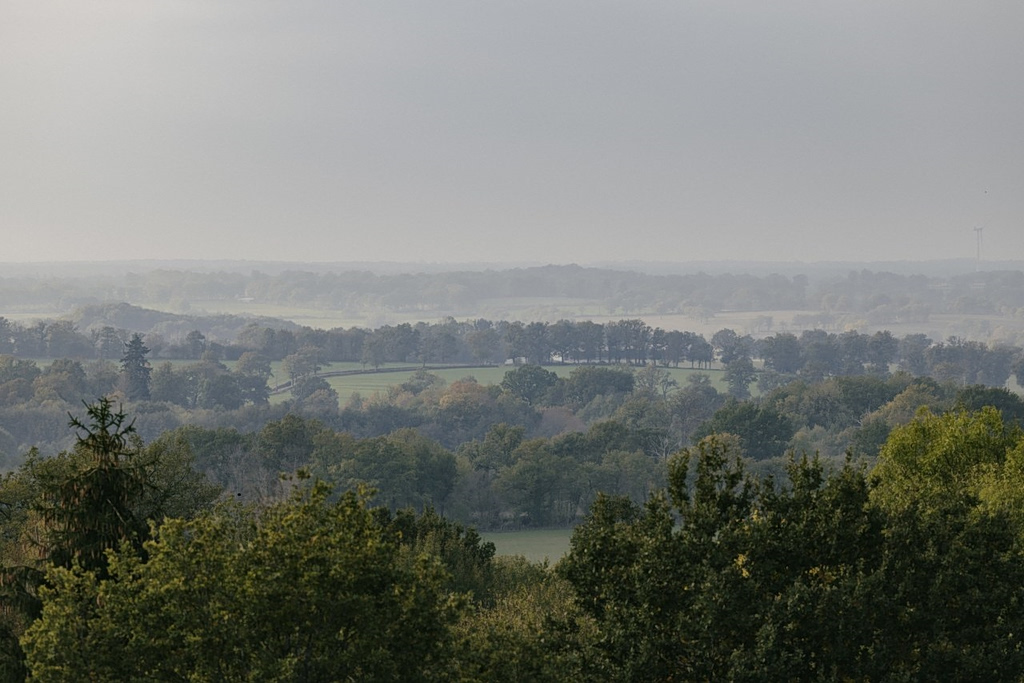
The French commune of Val d’Issoire is known for local sheep farming and traditional agriculture.
PHOTOGRAPHY BY PATRICK WACK FOR WSJ
Graffiti reading “Neither linki nor nuclear, we want a gold-plated retirement,” was spray-painted in red at the site.
Eleven months later, several television antennas in the region were burned, cutting communications to a million French people. Another red spray-painted slogan was found nearby: “Not 5G, nor TGV but the voice of the wind and the song of the birds.”
Ramirez’s DNA was found at the sites of both arsons. He denied responsibility, but during police questioning, he said attacks on Enedis for its Linky technology were justified.
“I don’t like control of the population,” he said, according to transcripts of his interrogation. “I believe that the people who are attacking Enedis, it’s nothing, it’s a cry for help, it’s a message for the population. For people to hear the message, it has to come to this.”
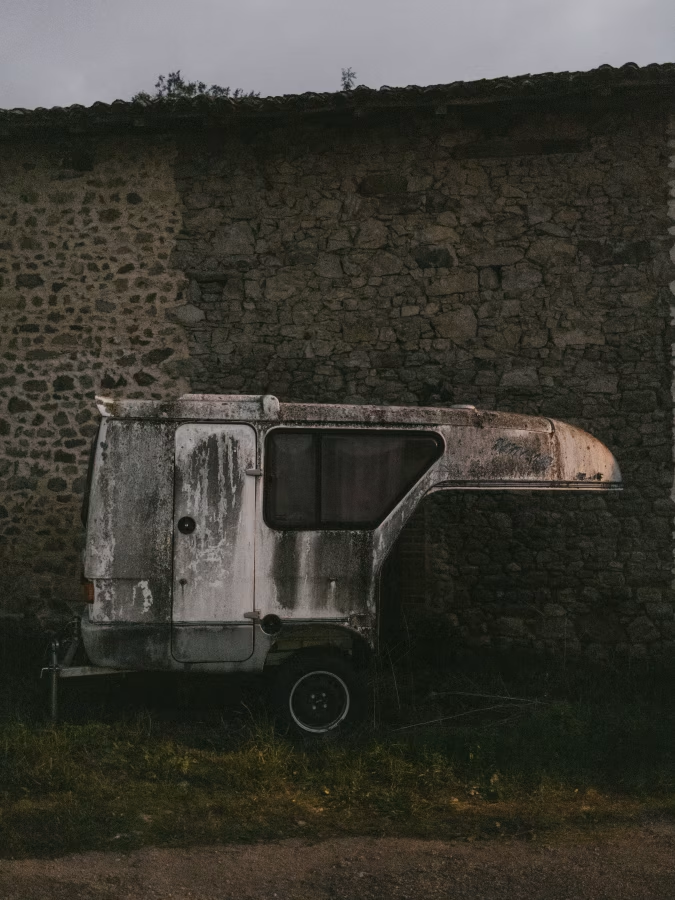
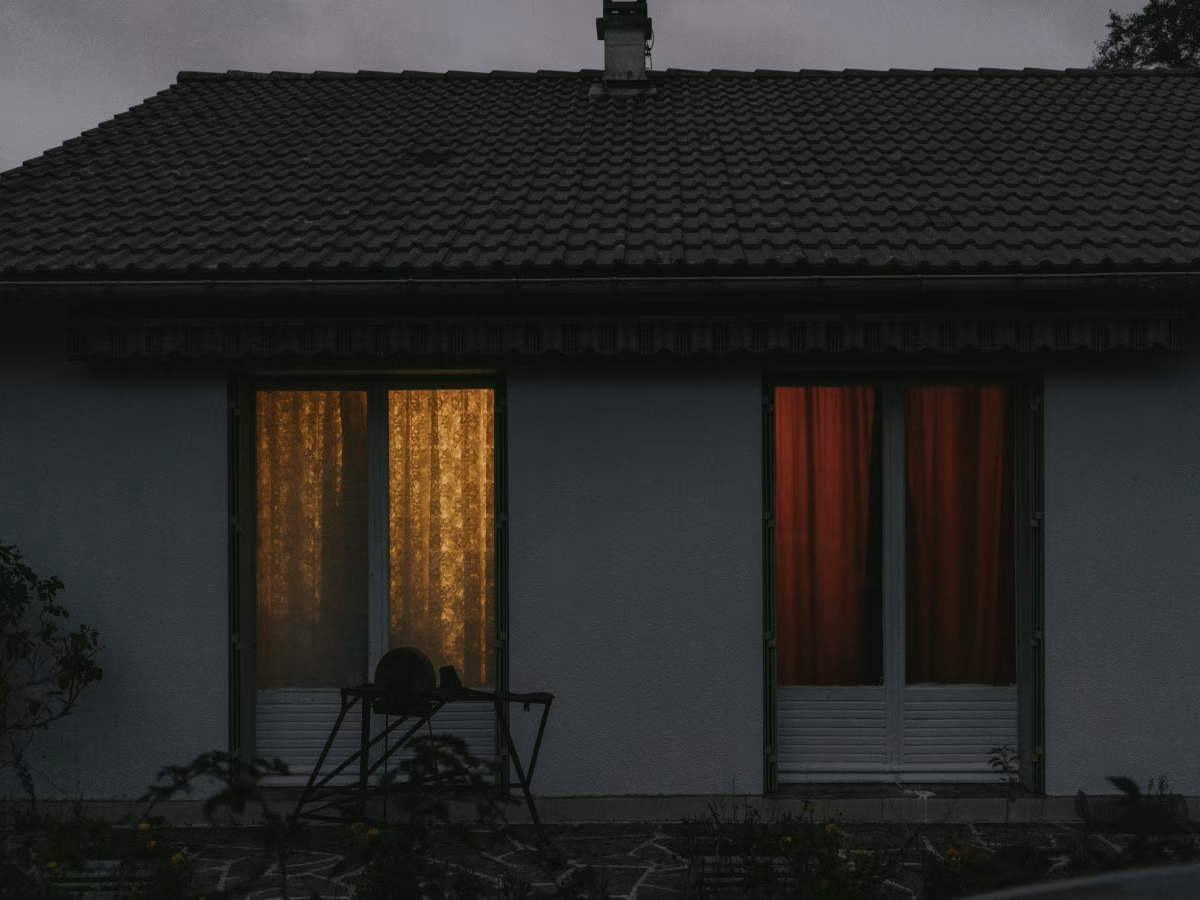
Some people live off-the-grid in the hamlet of Le Grand Pic. PHOTOGRAPHY BY PATRICK WACK FOR WSJ
Recently, Ramirez, wiry and unshaven, was standing outside his house fixing an old truck. Local officials say he was not only a Basque separatist but also a member of ETA, the militant group that sought to carve out an independent Basque state from Spain and France. He declined to discuss the arrest of his son but scoffed at the idea that he was part of ETA.
“I detest nationalism,” he said.
Bussiere-Boffy is one of the more isolated areas of France; it is around 50 miles along winding country roads to the nearest high-speed train station. People who live without a fixed address began coming here decades ago to pursue a form of communal living. Ramirez and his wife allowed them to park their vans on his land.
“This isn’t a criminal family,” said Paul Lacoste, who has lived next to Ciarra Docampo’s family for decades. “They have always supported travelers or young people who arrive suddenly and need a place to stay.”
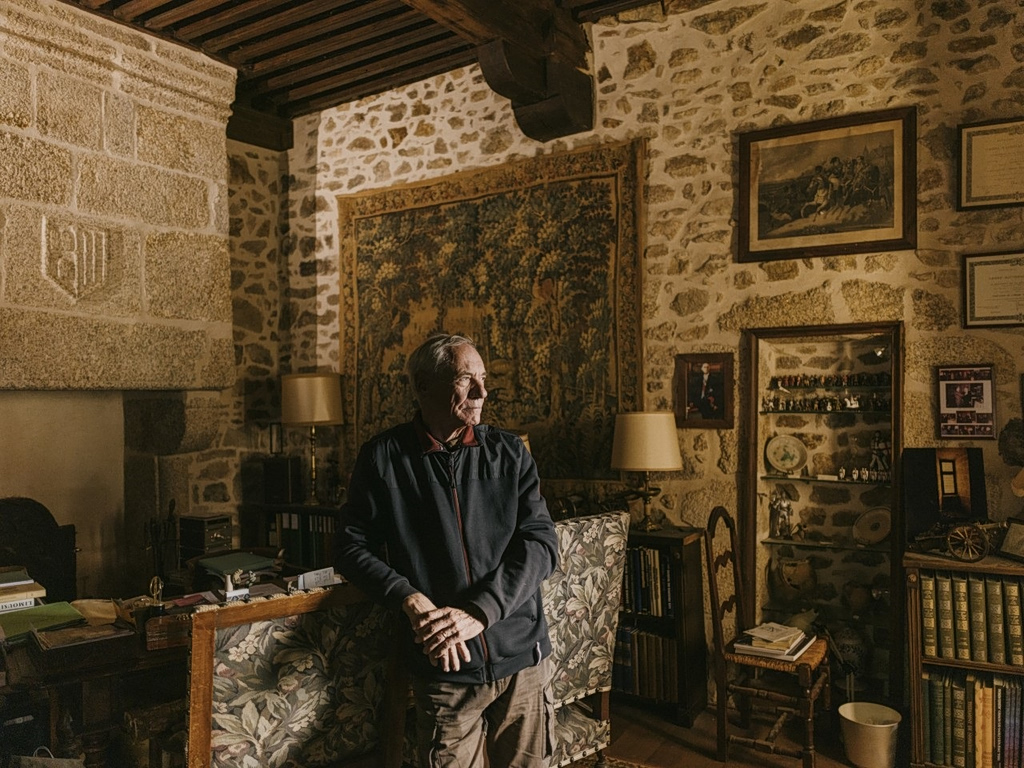
Jean-Paul Barrière, the former mayor of Bussière-Boffy, has clashed with people who live in the area without a fixed address. PHOTOGRAPHY BY PATRICK WACK FOR WSJ
Lacoste said many of them could no longer afford the high cost of living in cities. “You can set up a dwelling, remove it, and the land automatically returns to how it was,” he said.
Authorities have for years clashed with members of the community. Some were living in yurts—round tents favored by nomadic tribes of Central Asia—that local officials said didn’t comply with French regulations and ordered them to leave.
“They don’t ask; they do what they want,” said Jean-Paul Barrière, the former mayor of Bussière-Boffy. “That’s the problem with those people.”
Write to Matthew Dalton at Matthew.Dalton@wsj.com