
 Μake us preferred on Google
Jennifer Leshner stood in front of a mirror in Manhattan’s garment district, wearing a shiny, honey-brown mink coat that recalled the wardrobes of “Dynasty.” When her mother offered the coat to her, Leshner jumped at the chance to rescue a family heirloom from storage. “It’s sentimental,” she said, adding that she wouldn’t buy a fur coat otherwise. “This is my one and done.”
It needed a makeover. The shoulder pads and balloon-like sleeves screamed 1980s—the decade when Leshner’s father bought the coat for her mother, and when fur peaked as the ultimate status symbol.
On a weekend trip to New York City in late October, Leshner, 52, took her coat to Madison Avenue Furs for some nips and tucks: cutting off over several feet of fabric, slimming the arms and the shoulders. “I want it to be versatile, where I can wear it casually or I can dress it up if I need to go to a wedding,” she said. She wasn’t worried about wearing fur in public, she said, partly because of how many people these days wear fur, real or faux.
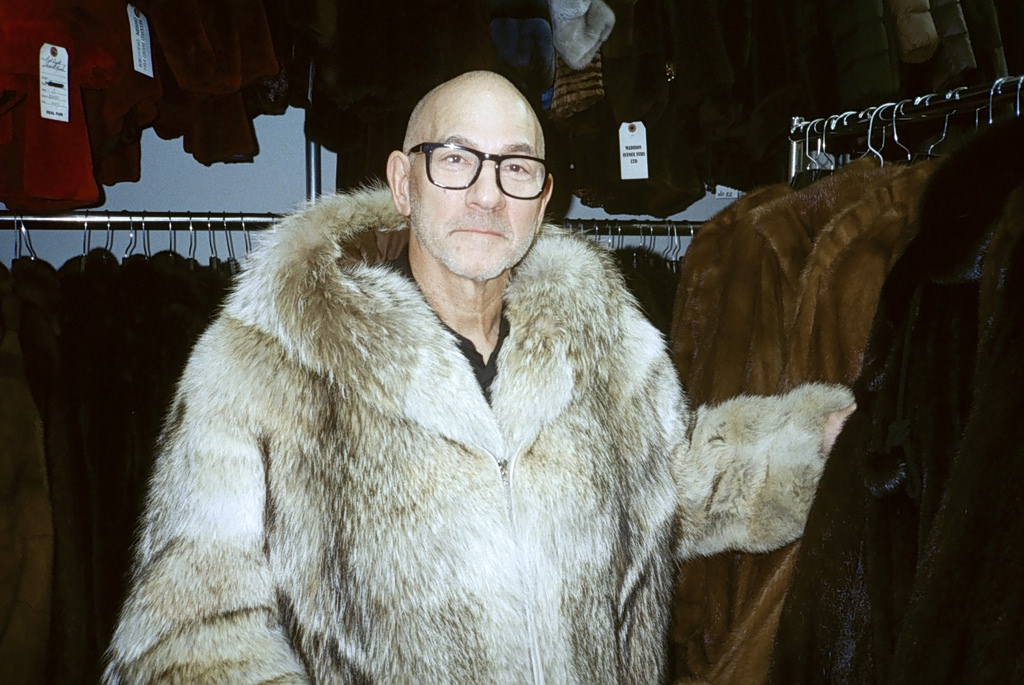
At Madison Avenue Furs, co-owner Larry Cowit does everything from selling to storing and altering fur coats. Sabrina Giacomaggio/WSJ
A lot of people have sworn off fur of any kind. But in recent years, secondhand coats have been newly embraced, some by bargain-hunters and others by people looking to cut synthetics like polyester out of their wardrobes.
Larry Cowit, who co-owns Madison Avenue Furs with his brother, Steve, said that more customers like Leshner have lately been asking him to make vintage fur coats modern—or something else entirely, like jacket liners, pillows or stuffed animals. While the simplest alterations, like changing a coat’s closures, can cost between $50 and $200, Leshner’s remodeling will cost upward of $1,500.
Cowit, whose business has long altered furs—along with selling, storing and cleaning them—credits the “mob wife” trend that took off on TikTok in early 2024, and the many influencers who started wearing oversize “Sopranos”-style coats. “All of a sudden, everybody was coming in and buying coats I had not sold in a long time,” he said, adding that his fur-altering jobs have grown between 30% and 40% over the past four years.
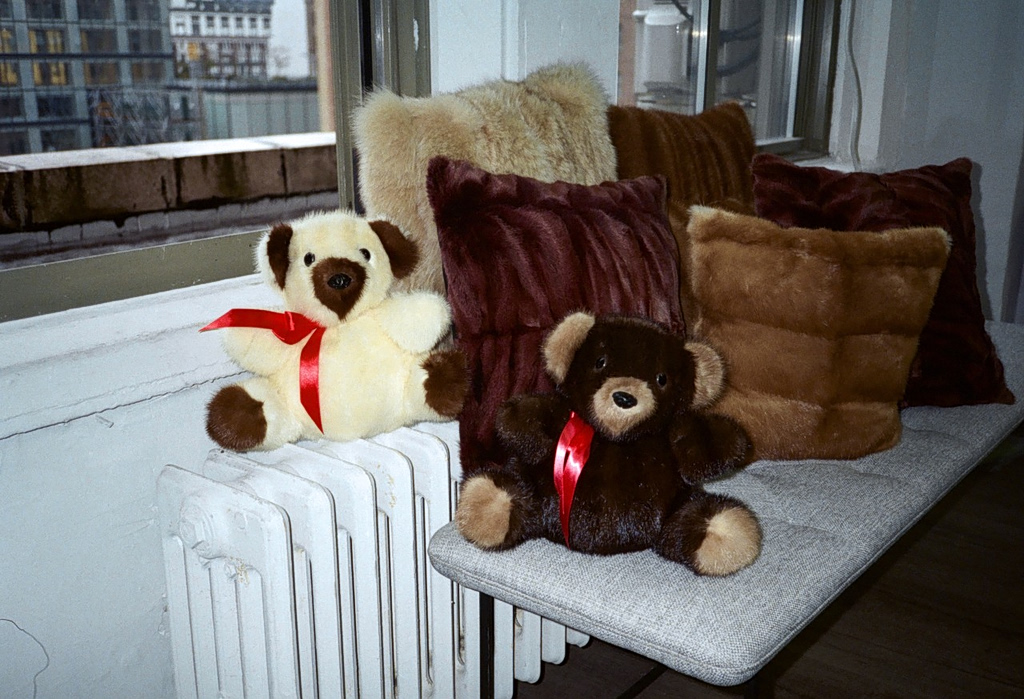
Fur teddy bears go for between $275 and $350 according to Cowit. Sabrina Giacomaggio/WSJ
Customers who don’t visit Cowit in person will mail him their coats to rework. Racks of furs—which he called his “jungle”—fill his store and the hallway to its workshop, where his staff makes small repairs (most fur remodeling is done off-site).
Nicholas Sekas, the owner of New York City furrier Sekas International, has also seen his alterations services grow—by about 20% each year since 2021, he said. “Since the pandemic, a lot of people have been looking in their closets and saying, ‘What do I have?’ ”
Christos Taltsidis, a furrier and designer in the suburbs of Chicago, said this has been one of his busiest years for alterations yet in recent memory. “I’m looking for employees,” said Taltsidis, who offers virtual consultations and can make coats, “bigger, smaller. I can redesign it. I can put rhinestones, diamonds on it.” He can turn even vintage coats into fur umbrellas. “The water just slides down.”
For many people, fur still has a stigma. Just a few years ago, grandma’s old mink coat was a burden. Ashley Byrne, a campaign director at PETA, argued that all fur, whether new or old, is disturbing to wear. “The fur industry is hoping that vintage fur will help them sanitize the image of wearing a real fur coat,” Byrne said. PETA takes donated coats, which it gives to humanitarian organizations and animal shelters. “There’s a world of difference between choosing to flaunt an animal’s skin for fashion and using an unwanted coat to help keep someone alive in life-threatening cold,” she added.
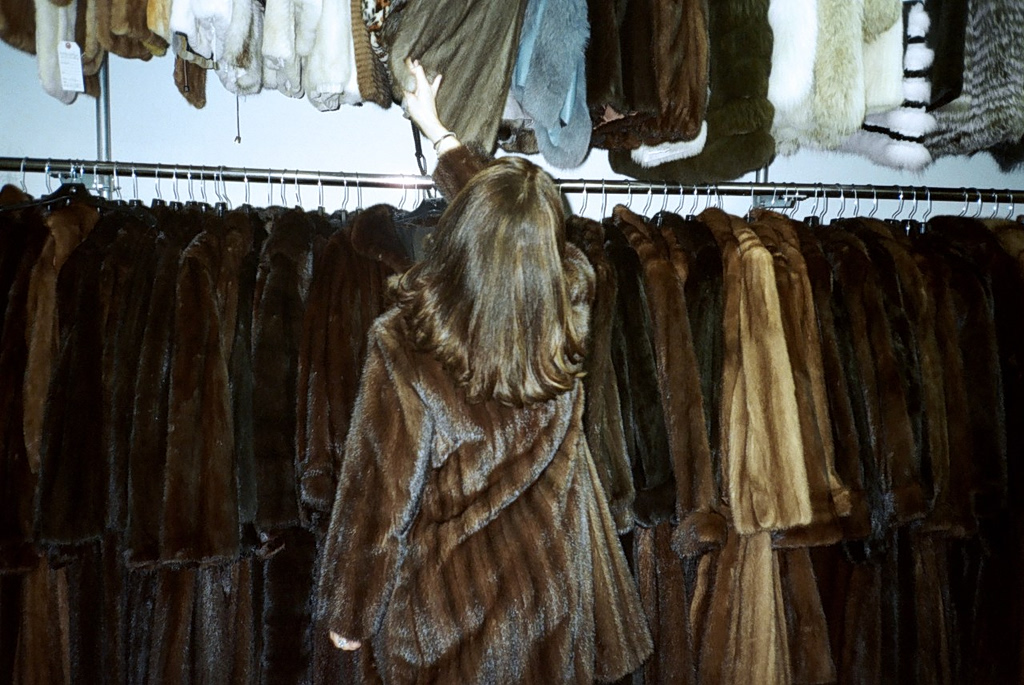
Minks were once a status symbol. Now, vintage fur is a trend as shoppers look for bargains and alternatives to synthetic clothing. Sabrina Giacomaggio/WSJ
And yet, one of the trendiest coats of the season features vintage fur. The material trims Conner Ives’s embroidered silk jackets, which start at around $7,000, and have been worn by Kendall Jenner and Zoë Kravitz. Fans of the style are creating their own versions, including Jess Graves, 37, a fashion writer in New York.
Graves bought a mink on the RealReal, where searches for women’s vintage fur coats are up 4,800% year-over-year, according to a spokeswoman for the resale site. “I had never altered or upcycled a fur coat before, but I got the idea when I saw it on the Conner Ives runway and read that it was fashioned from vintage,” Graves said. Cowit’s customers have been asking him for the style, too. “I just got in 20 kimonos that I’m trimming,” he said.
Others like Carolijn Hooij, a 30-year-old stylist and costume designer in Amsterdam, have been even more imaginative with their reincarnations. This summer, Hooij reupholstered a chair with fur from a 1970s coat she had bought a few years ago at an estate sale.
“It’s more of an art piece rather than something you would really sit on every day,” she said. “I would never buy new fur, but if you know something’s already that old,” Hooij added, noting that she prefers natural materials and “wouldn’t want to wear or use microplastics.” Her attitude reflects the opinions of those who argue that natural fibers are not only more environmentally friendly, but also healthier to wear than synthetics.
With scraps leftover from her chair, Hooij made holders for lighters. Taltsidis has another solution for excess materials: he weaves strips of fur with scraps of recycled plastic and denim and uses the resulting fabric to upholster chairs or make blankets. “That way, they still have their mother’s or father’s coat,” he said.
Sekas said a customer had a coat turned into three teddy bears, one for each of her granddaughters. Some of Cowit’s clients have transformed their pieces into coats for their dogs. Last year, he deconstructed a customer’s coat into 10 small scarves. “She gave them out at Christmas to the whole family,” Cowit said.
Ellen Warfield, 49, who works in marketing for nonprofits and lives in Connecticut, inherited her grandmother’s full-length black mink coat and had it refashioned into a shorter jacket seven years ago. None of her other family members wanted the coat, Warfield said. She wasn’t in the market for a fur either, but now wears the redesigned jacket in memory of her grandmother, an elegant smoker.
Warfield wouldn’t buy a new fur coat today, but doesn’t feel guilty about having an upcycled version, she said. “I feel very strongly about things that have a human hand in them.”