
 Μake us preferred on Google
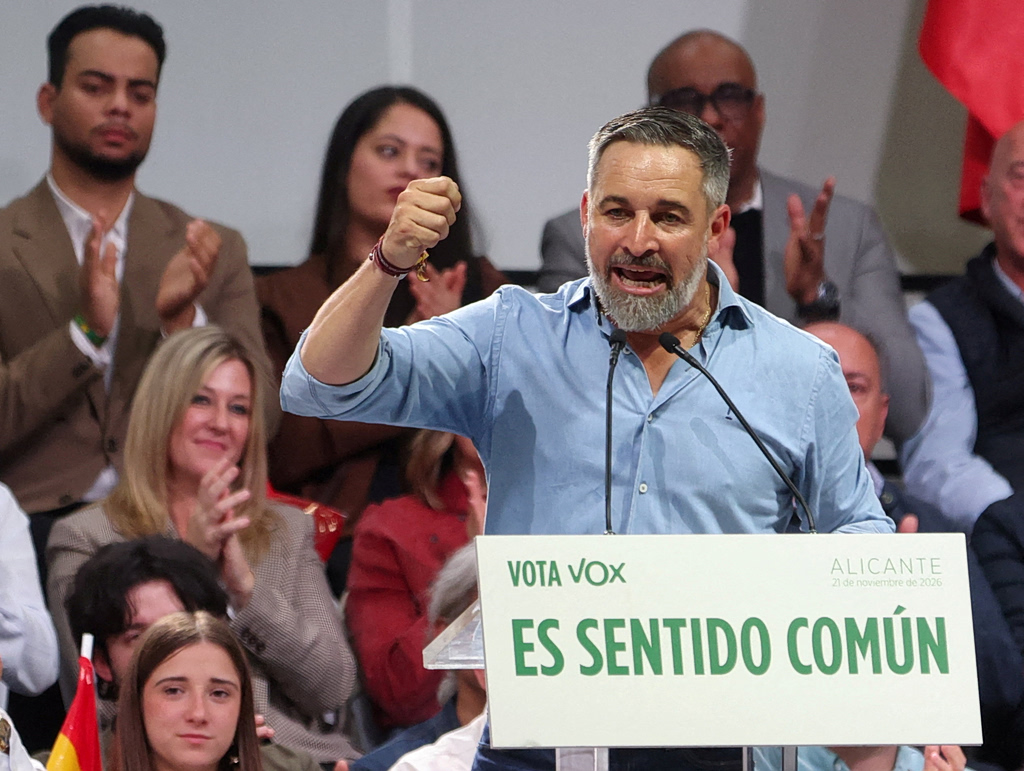
Spaniards went to the polls on Sunday in an election that could bring the far right into the national government for the first time since the country’s return to democracy. According to Reuters, polls point to a victory for the center-right People’s Party (PP), which would likely need the backing of the far-right Vox party to secure a majority in the 350-seat parliament and end Socialist Prime Minister Pedro Sanchez’s eight years in power.
Vox advocates tougher immigration controls, recentralization of state powers and lower taxes, while opposing mainstream climate policies and expanded LGBTQ rights. The vote opens a series of European elections in which far-right parties could make further gains.
Polling stations opened at 9 a.m. (0800 GMT) and close at 8 p.m. (1900 GMT), when a survey conducted in the campaign’s final week will be released. The first official results are expected about an hour later.
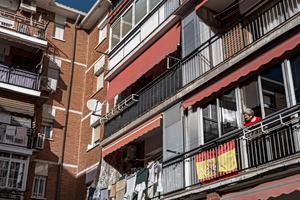
Sanchez, who has led fragile minority coalitions since 2018, called the snap election after parliament rejected his decrees on a deepening housing crisis, saying he needed a majority. Rising rents and evictions dominated the campaign, with the parties offering sharply different solutions.
On Friday, Sanchez insisted that internal data showed he could win a majority with smaller left-wing parties. Some recent polls showed his Socialist Party (PSOE) narrowing the gap with the PP, but at the expense of a disillusioned far left whose support he would need to govern. A majority requires 176 seats.
A PP-Vox coalition is seen as the most likely outcome, though it would involve hard bargaining over cabinet posts. Analysts say Vox could instead support a PP minority government from outside.
Coalition talks face no formal deadline before the first investiture vote, but if no candidate wins parliament’s confidence within two months of that vote, new elections are triggered automatically.
Sanchez has called the prospect of a PP-Vox government a “regression.” The two parties already govern together in four regions.
The prime minister points to an economy that ranks among the fastest-growing in the EU, backed by a higher minimum wage and a labor reform that has pushed unemployment to its lowest level in almost two decades. Yet some Spaniards say they are not feeling the benefits as prices for housing, energy and consumer goods keep rising.
Migrants have fueled much of that growth, and economists fear a right-wing government’s anti-immigration policies could stifle it.
Sanchez has gone against the European trend by promoting immigration as an economic benefit. The PP pledges to ban mass amnesties, allow returns to third countries and introduce a points system for legal immigrants.
Vox wants to deport foreigners convicted of crimes and give Spaniards priority for housing.
A Sanchez defeat would leave only three EU countries, Denmark, Lithuania and Malta, with center-left leaders.