
 Μake us preferred on Google
 Drug hunters have searched for years for a treatment for the rare infectious disease hantavirus, which caused an outbreak on the cruise ship that global public-health officials are now racing to contain.
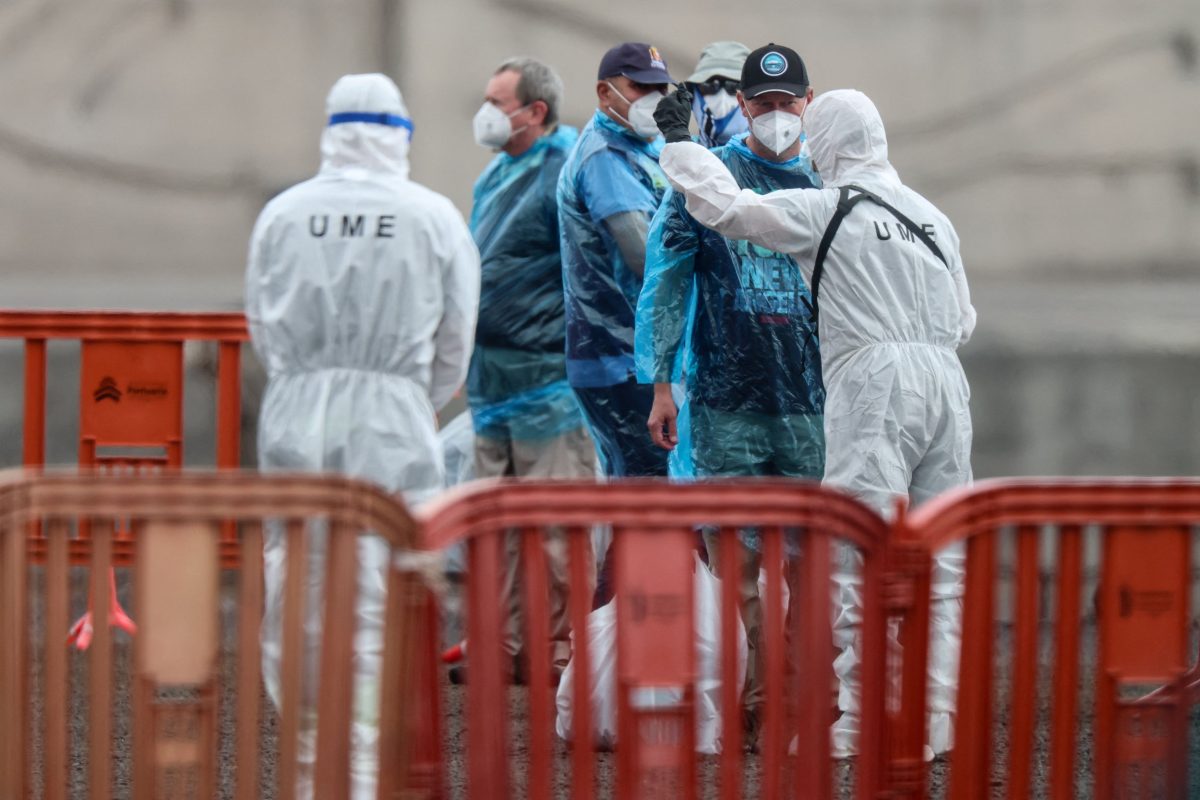
The latest outbreak, which has killed three people and sickened five others, adds increased urgency to those efforts. While hantavirus is generally contracted through exposure to infected rodents, the strain in the current outbreak can be transmitted from person to person. Some promising projects that had been shelved due to a lack of consistent funding are seeking a new influx of money to pay for further testing and other research that could help create treatment options.
Here is what we know about hantavirus drugs and vaccines in development:
Drugs
An international consortium of researchers from universities, biotech companies and a U.S. military research institute developed an antibody designed to attack hantavirus. In a study, the antibody protected hamsters from the Andes strain—the one in the current outbreak that is able to spread between humans—according to study results published in Science Translational Medicine in 2022.
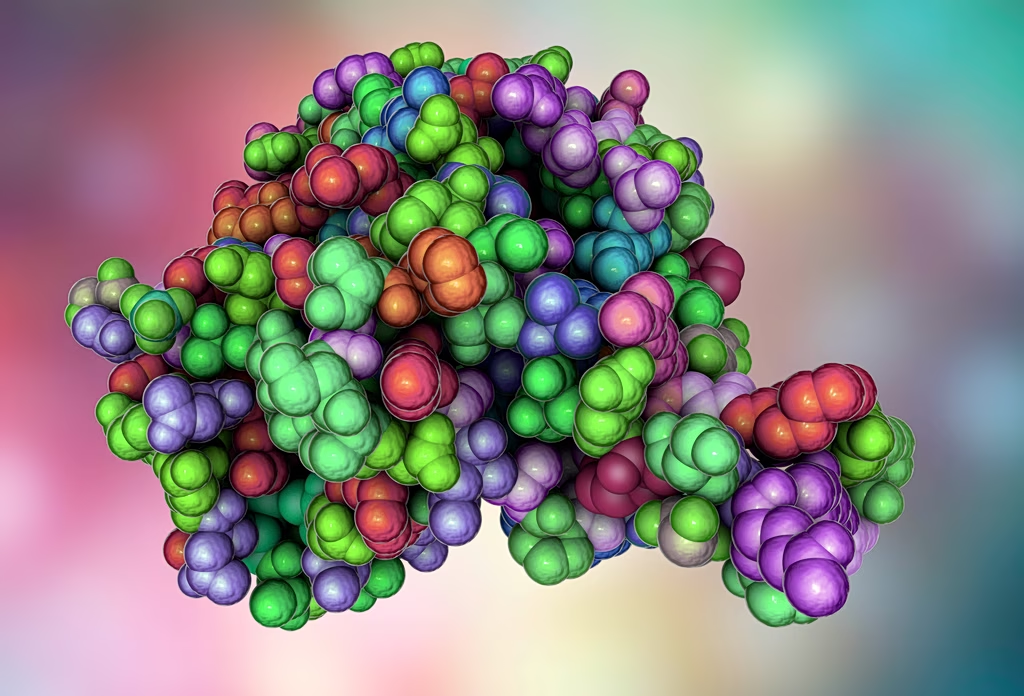
The antibody was derived from blood samples of people who had been infected by another hantavirus, said Kartik Chandran , professor of microbiology and immunology at Albert Einstein College of Medicine in New York and part of the team that developed it. The antibody is designed to bind to proteins on the surface of the virus, which interferes with its ability to get inside human cells. It can also help eliminate infected cells. undefined undefined Antibodies were a critical tool in the fight against Covid-19. Soon after the virus emerged, drug companies including Regeneron Pharmaceuticals and Eli Lilly quickly designed antibodies and tested them in infected patients, finding they kept many people out of the hospital.
With the hantavirus antibody, the aim would be to give it to people exposed to the virus, to either ward off infection or limit the severity of any illness, Chandran said. It could also be given to someone infected and showing some symptoms to prevent them from getting worse.
The antibody has only been tested in animals though, and it wouldn’t be feasible to make a significant quantity to help with the current outbreak. National Institute of Allergy and Infectious Disease funding for the program expired in 2024, before they could test it in humans.
Chandran needs more money to move the research forward, but he said the consortium hasn’t been able to get the necessary funding because hantavirus outbreaks are rare and haven’t been a priority compared with other viruses.
A division of the U.S. Army was also involved in the research effort along with Mapp Biopharmaceutical , which developed an experimental antibody “cocktail” that was given to patients infected with the Ebola virus during the outbreak in West Africa in 2014 and 2015, and which cut the death rate in a small study.
Vaccines
Even before this outbreak started, Moderna did some research on hantaviruses in collaboration with the U.S. Army Medical Research Institute of Infectious Diseases.
The company also formed a collaboration in 2024 with the Vaccine Innovation Center at Korea University College of Medicine to conduct research on a hantavirus vaccine as part of a Moderna program to collaborate with external researchers on worrying viruses.
“These efforts are early-stage and ongoing and reflect Moderna’s broader responsibility to develop countermeasures against emerging infectious diseases,” a company spokesman said.
That isn’t the only hantavirus vaccine research in recent years. The Army research institute conducted some early studies of a potential hantavirus vaccine in people, including one that safely elicited an immune response, according to results published in the Journal of Infectious Diseases in 2023.