 Μake us preferred on Google
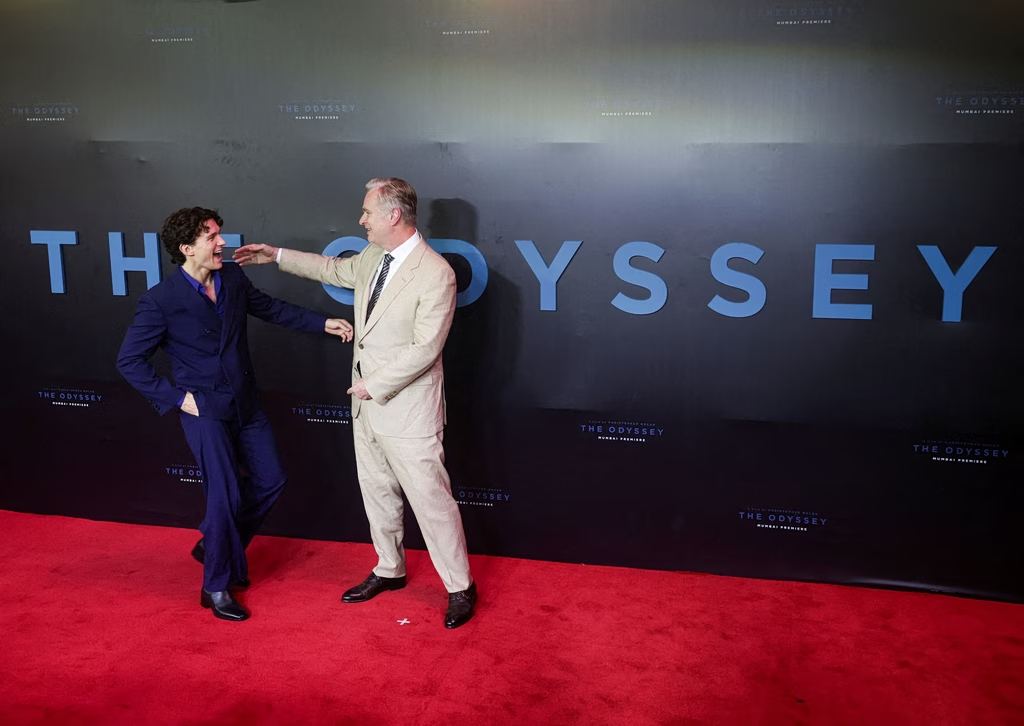
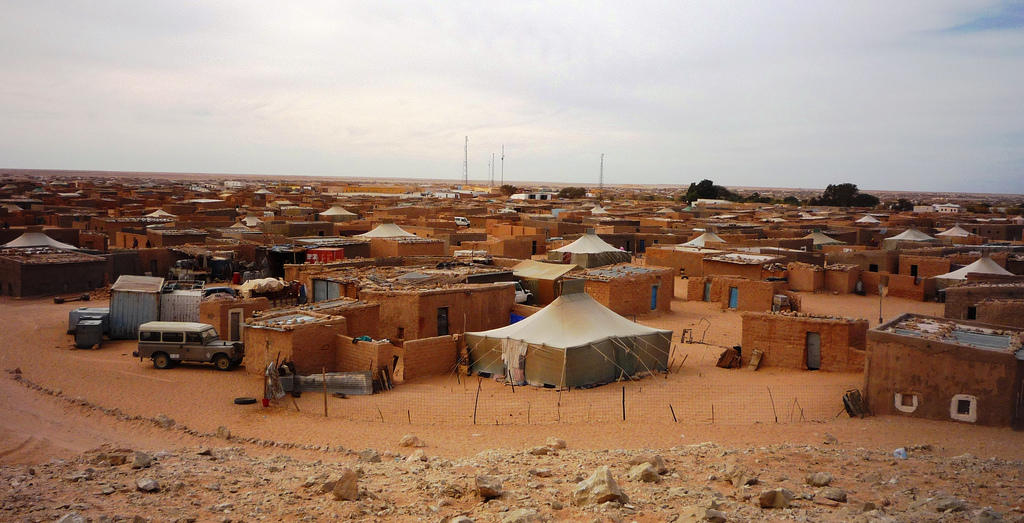
 Much of the filming for The Odyssey took place, as is well known, in Voidokilia and Acrocorinth, bringing a touch of Hollywood glamour to Greece. In contrast to the atmosphere of excitement in those areas, however, the production’s decision to film in Dakhla, Western Sahara—the last part of Africa where colonial rule is still ongoing—has provoked strong reactions.
The territory, which is inhabited by the Sahrawi people, was once a Spanish colony. However, when Spain agreed in 1975, during the final period of the Franco regime, to withdraw from the colony, Morocco occupied the northern part of the territory and Mauritania the south.
The Polisario Front, founded in 1973 as the Sahrawi national liberation movement, proclaimed the Sahrawi Arab Democratic Republic in February 1976 and began a guerrilla war against both countries.
Mauritania eventually withdrew, but Morocco unilaterally occupied the territory it had controlled. Fighting continued throughout the 1980s until a ceasefire was agreed in 1991, linked to a United Nations plan to hold a referendum on self-determination.
Irony
Today, Dakhla lies within a territory that the United Nations continues to classify as a Non-Self-Governing Territory.
Morocco may exercise de facto control—through force—over most of Western Sahara, but the territory’s final status remains unresolved and has long been the subject of a dispute over the Sahrawi people’s right to self-determination. In other words, Moroccan sovereignty is not recognised by the United Nations, and the territory’s status remains unsettled.
Nevertheless, the production company behind The Odyssey arbitrarily identifies the territory as Moroccan in an official announcement, without making any reference to Western Sahara’s disputed international status.
“The irony would be comical if it were not so tragic,” Sahrawi artist Mohamed Sleiman Labat told The Guardian. “We, the Sahrawi people, on whose land scenes from The Odyssey were filmed, have been living through our own brutal odyssey for more than 50 years.”
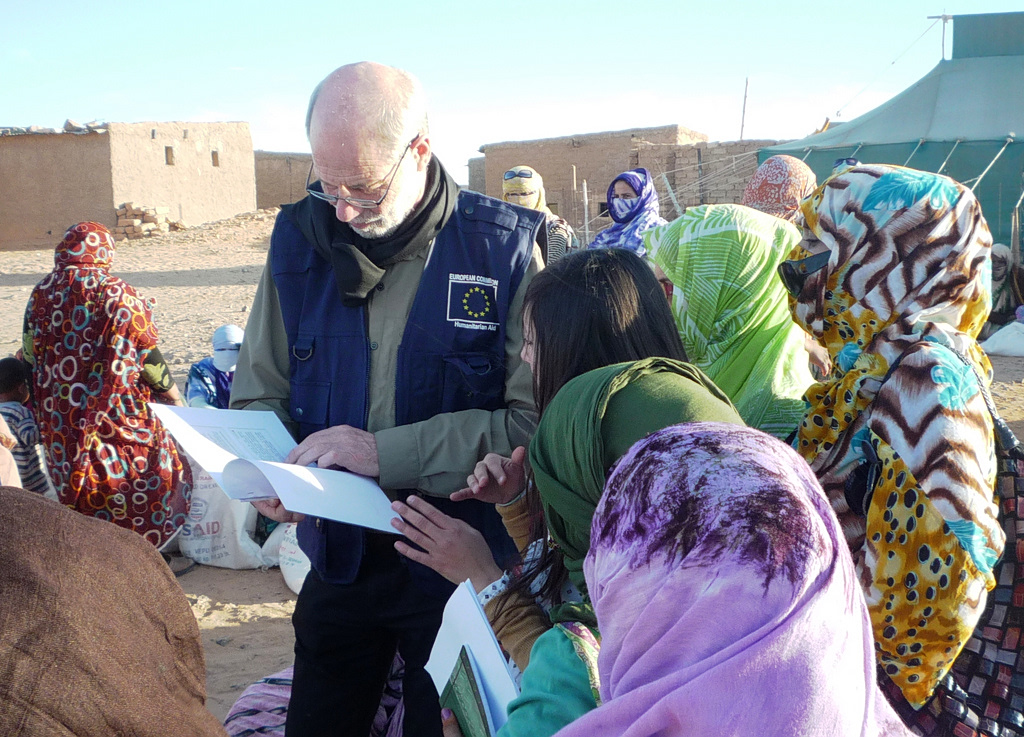
Labat points out that, as a result of the situation created by Moroccan policy, half of his people now live in refugee camps in the Algerian desert, while the other half live under what he describes as a suffocating military and police regime.
Nolan “Complicit”
Under these circumstances, the Sahrawi artist argues that Morocco is using cinema as a weapon to whitewash the occupation of his country.
It does so, he says, “to construct a romantic, tourist-friendly image designed by a regime that uses every political, economic and cultural means available to preserve the existing system of occupation and deny the existence and resistance of the Sahrawi people.”
He describes Christopher Nolan’s film as the latest “episode in this colonial drama,” in which “foreign exploiters of every kind freely plunder Western Sahara’s phosphate minerals, sand, fish and tomatoes, while commercialising its winds, sunlight and picturesque desert landscapes.”
He accuses the British director of actively participating through his work in a “state-organised public relations campaign intended to legitimise an illegal occupation.”
Labat also argues that using the land of his homeland without the explicit consent of its Indigenous people is not merely “unethical but, under international law, illegal.”
The Practices of Western Cinema
Labat then turns his criticism toward the practices of Western cinema and the way it exploits the Global South.
“Nolan’s choice to film in an occupied territory highlights the exploitative practices embedded in the Western film industry. Western cinema has often been complicit in extracting stories and intangible culture from the Global South on a scale no smaller than that on which the Western colonial-industrial complex extracts material resources.
“International film crews arrive, film our faces, our clothes, our sand dunes and our material culture, and then fly away. To them, it seems we are nothing more than decorative elements in their sets, while back in New York, London or Paris they gain prestige, box-office success and awards.”
At the same time, he continues, the Indigenous Sahrawi people “are being turned into a minority in our own homeland, systematically marginalised, silenced and denied access to the land we crossed as nomads for centuries.”
Labat concludes that beyond the rights of his own people, those who watch the film deserve better. They “have the right to know the ethical dimensions behind the making of this film.”
 Source: In.gr