 Μake us preferred on Google
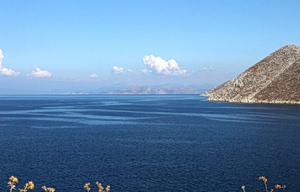
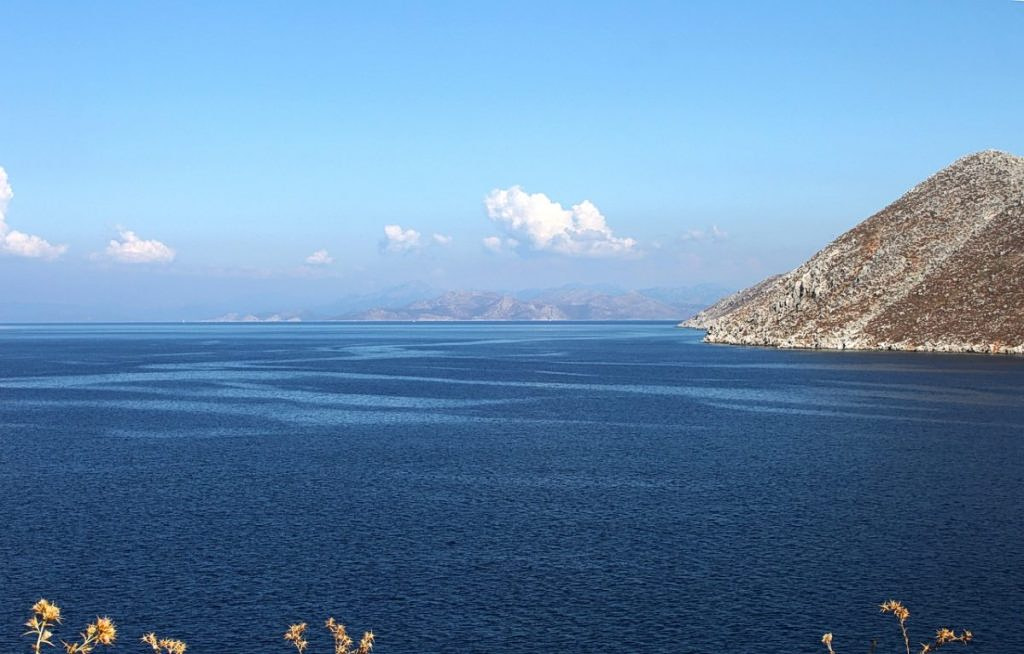
 The draft presidential decree establishing the South Aegean marine park is expected to reach the Council of State, Greece‘s top administrative court, as early as next Monday. That timeline, however, hinges on how many ministers must co-sign the decree before it is submitted. If the court reviews it on a priority basis, the government hopes to see it published in the Official Gazette by year’s end, or by January at the latest.
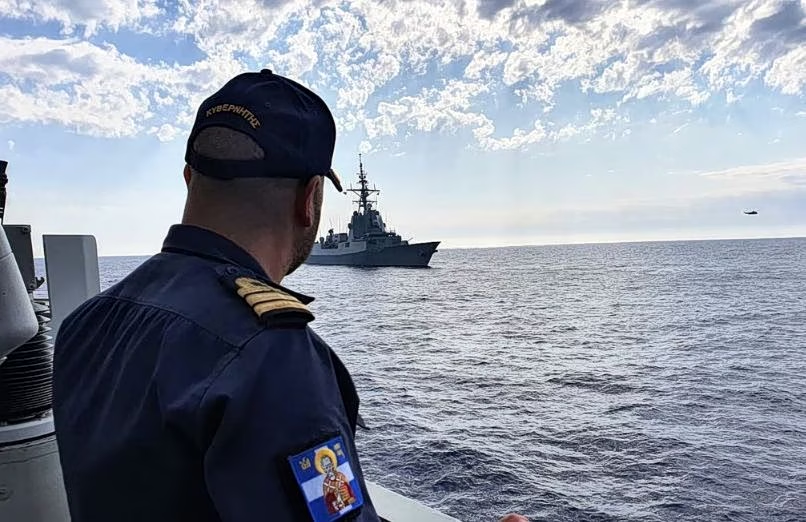
The General Secretariat of the Government must now decide which ministries need to co-sign, to avoid a rejection by the court over a missing signature. The Environment, Rural Development, and Defense ministries are clearly required. The Foreign, Maritime, and Culture ministries may also need to sign, given the park’s links to sovereign rights, Coast Guard patrols, and archaeological sites. The availability of these ministers will set the final submission date.
Work on the Ionian Sea marine park is moving in parallel. By the end of next week, authorities expect to approve the Special Environmental Study for its land-based zones. The study will then go to the relevant ministries and to the Natura 2000 Committee, the state’s chief scientific advisory body. The Ionian decree, which is more complex from a legal-drafting standpoint, is slated for submission to the Council of State around late December.
The government wants both parks enacted before the next elections. Officials say the project is in its final stretch and must be completed this term. “The next elections are the absolute deadline,” they said, adding that the government will press the Council of State for a quick review of the South Aegean decree rather than the six to nine months such reviews have taken before.
Compensation for fishers
A compromise has reportedly been reached with medium-sized fishing vessel operators, who protested that the parks would ban their activity entirely within protected zones. Compensation will be set through actuarial studies determining the exact amount owed to each fisher, with the Rural Development Ministry’s general secretariat for the primary sector and fisheries holding sole responsibility.
The EU factor
European funding is also seen as pivotal. The government secured €9.778 million through the National Strategic Reference Framework (NSRF), formally intended to improve authorities’ knowledge for better management of protected areas. Beyond enabling more effective mapping of the parks’ marine ecosystems, the funding deepens the European Union’s involvement, which could intensify if the project veers from its original plan.
Decided last year, requested in June, and approved on September 18, the move gives Greece’s marine parks an added layer of European protection. That matters most for the South Aegean park, which has drawn sharp objections from Turkey even though it lies within Greek territorial waters, capped at 6 nautical miles. Ankara recently responded by declaring its own marine parks, which, under international law, are illegal: they extend beyond Turkey’s territorial waters and encroach on the Greek continental shelf.