 Μake us preferred on Google
 “Fashion fades” is a saying as old as humanity’s instinct to follow the crowd—to do what everyone else is doing and avoid being left out. In the age of social media, however, that familiar phrase has taken on an entirely new meaning.
Conventional trends may come and go, but the platforms that create them—TikTok, Instagram and YouTube—are no longer passing fads themselves. They’re here to stay, and they increasingly shape the way we live. They influence how we dress, exercise, flirt, shop and, perhaps most visibly, how we eat.
And when it comes to food, things have become wonderfully creative—or utterly absurd—depending on your perspective.
It often feels as though food influencers around the world are competing to invent the most outrageous, unnecessary or downright shocking recipe imaginable, all in pursuit of a few more likes. They combine ingredients that have no business sharing the same plate, reinvent beloved foods in the loudest possible ways or cram elaborate desserts into a single container simply because they can.
The chase for the next viral post never ends. Neither does the audience’s appetite for watching.
How social media changed cooking
It’s no coincidence that home cooking has shifted dramatically toward recipes that are quick, easy, ultra-healthy—or unapologetically indulgent. Technology has evolved alongside those trends.
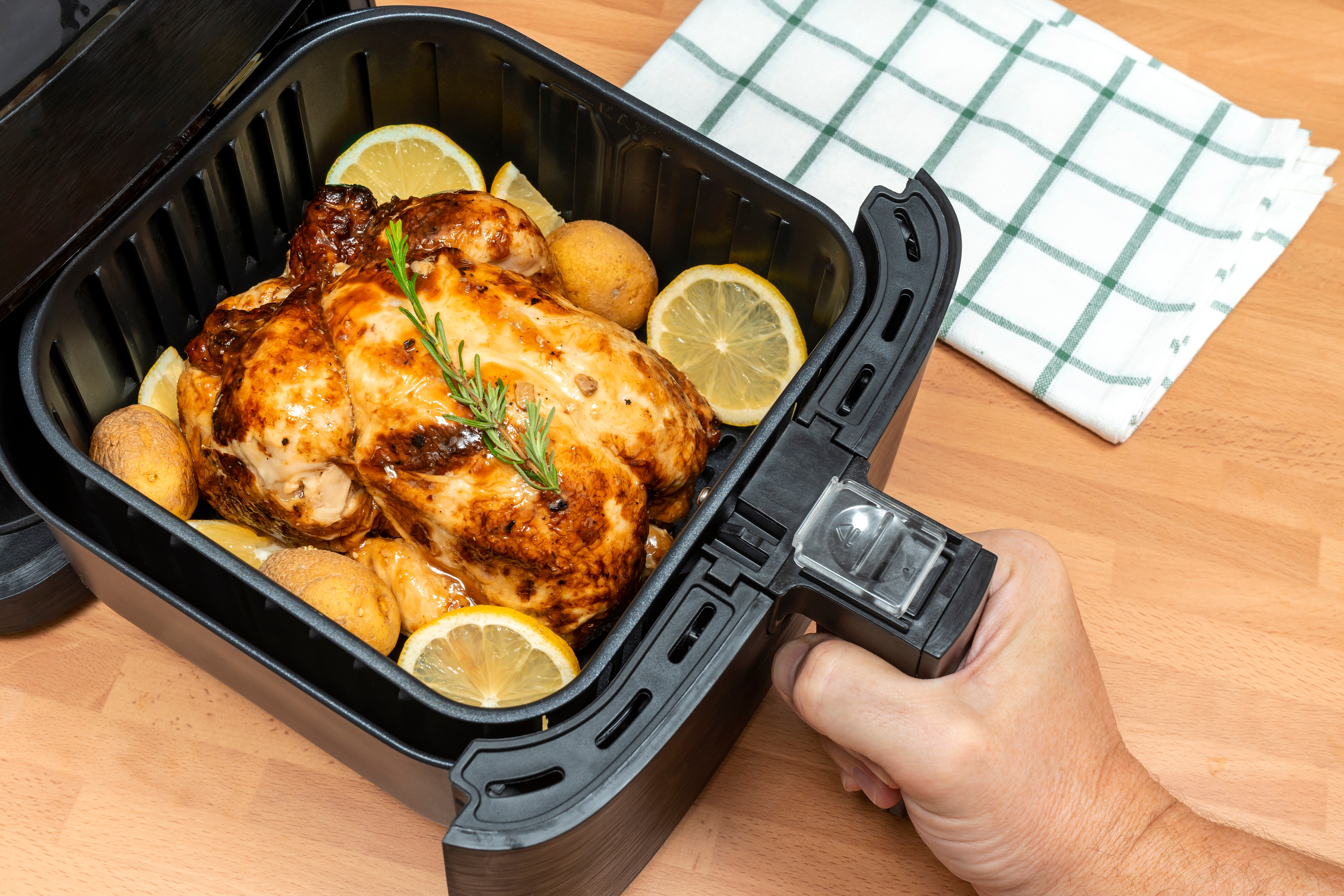
Take the air fryer. Within just a few years it became a global kitchen staple, dominating both countertops and smartphone feeds. People cooked almost everything in it—even chickpea soup, somehow. Once the internet had seemingly mastered air frying, it was already moving on to the next obsession.
A few minutes of scrolling is enough to see it happen.
Whether you’re browsing Instagram Reels, TikTok or YouTube Shorts, the algorithm follows you everywhere. The same videos appear across every platform, making them almost impossible to escape.
Some are genuinely clever. They convince you they’re worth trying, and before you know it you’re mentally adding ingredients to your next supermarket trip.
Others are clearly ridiculous. You recognize that within seconds, yet somehow you still watch until the very end—just to see how far they’ll take the idea, and whether the final result actually works.
The protein recipes winning followers
For this article, I deliberately interrupted my pre-summer holiday social media detox.
I’m spending time on the beaches of southern Crete, where mobile data is often unreliable, so I figured I might as well get used to spending less time online before losing my signal altogether.
That plan lasted only a few minutes.
One quick scroll through YouTube Shorts and I found myself craving crispy rice paper wraps stuffed with shrimp and cooked in an air fryer. High in protein, low in calories—they looked spectacular.
View this post on Instagram
I admit it: I’m one of the many loyal followers of high-protein recipes on social media.
I test them. If I like them, I make them again and recommend them to friends.
It’s a trend that has evolved steadily. It began with Greek yogurt and cottage cheese, moved on to fluffy egg-white omelets and protein flatbreads, and has now embraced rice paper wraps, charging ahead at full speed.
And I’m happily following along.
View this post on Instagram
I’m certainly no authority on nutrition, but among the endless stream of protein recipes there are plenty of genuine gems. Unlike many internet crazes, this trend has earned its popularity and still feels like it has plenty of life left.
Frozen fruit is having its moment
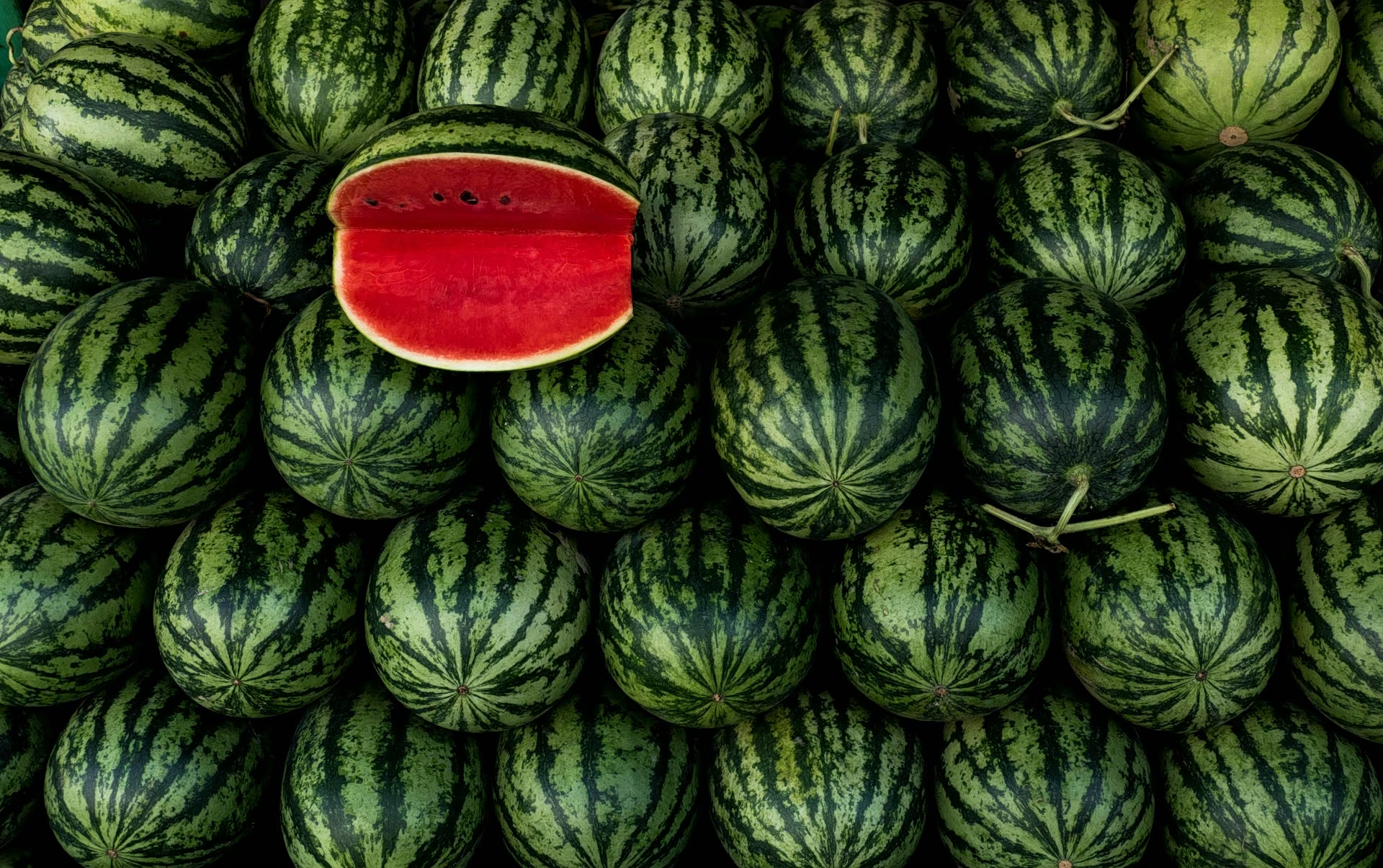
Another trend that’s both clever and surprisingly appealing is frozen watermelon—or frozen melon—turned into ice cream.
Perfect for summer, it requires just two ingredients: fruit and a little milk or cream.
There’s barely even a recipe.
Simply cut a watermelon in half and freeze it.
View this post on Instagram
Once it’s completely frozen, scoop out a small hollow with a spoon, pour in milk or cream, then stir it together with the icy fruit until it becomes creamy.
The result is probably the simplest homemade ice cream imaginable—and, to be fair, it’s genuinely delicious.
The same method works with many other fruits too.
For ideas like this alone, social media can be worth paying attention to.
Watermelon has become one of this summer’s biggest stars online.
View this post on Instagram
People are even transforming it into sandwiches by slicing it into thick square slabs—miraculously seedless—and layering tomato, mozzarella, fresh basil and balsamic vinegar between them.
It’s essentially a watermelon version of a classic Caprese salad, presented in an Instagram-friendly format.
It looks fantastic on camera.
View this post on Instagram
In real life, though, most of us know it’s much easier simply to cube the watermelon and toss it into the salad.
End of story.
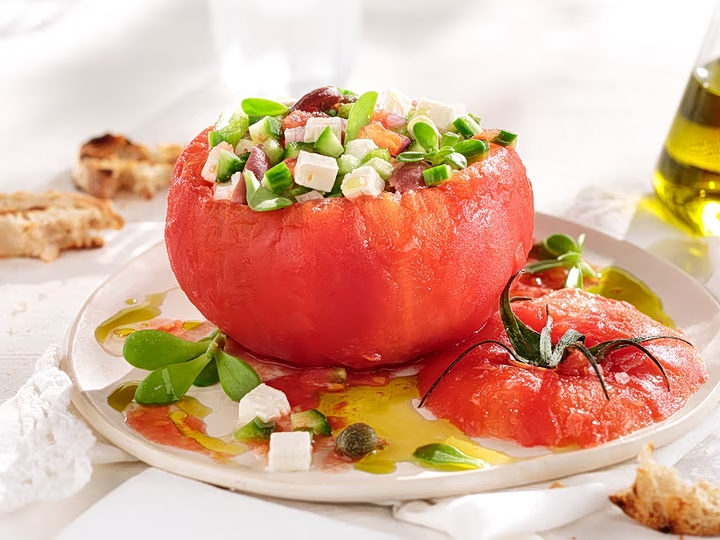
Inspired by the frozen watermelon craze, someone inevitably tried the same concept with summer’s other icon: the tomato.
View this post on Instagram
Tomatoes freeze well because they’re packed with water, but they don’t magically become ice cream.
Instead, once frozen, they grate beautifully over dakos—the traditional Cretan salad made with barley rusks, tomatoes and cheese—as well as bruschetta, boiled vegetable salads and countless other dishes.
Now that’s a trend worth experimenting with.
After all, August has only just begun.
As long as it involves ice cream…
Children—who make up a significant share of food bloggers’ audiences—tend to be drawn to sweeter trends.
Chocolate creations, extravagant cookies, frozen desserts and every imaginable sugary invention continue to dominate social feeds.
Just a few days ago, my daughter asked if we could make chocolate-covered grapes after seeing them online.
“It’s really easy,” she assured me.
She wasn’t wrong.
Simply spread grapes across a tray, pour melted dark chocolate over them and refrigerate until set.
Quick, healthier than many desserts and surprisingly satisfying.
View this post on Instagram
The same goes for yogurt-and-fruit bars or the now-classic frozen banana “ice cream.”
For those craving something even more indulgent, food creators have another idea.
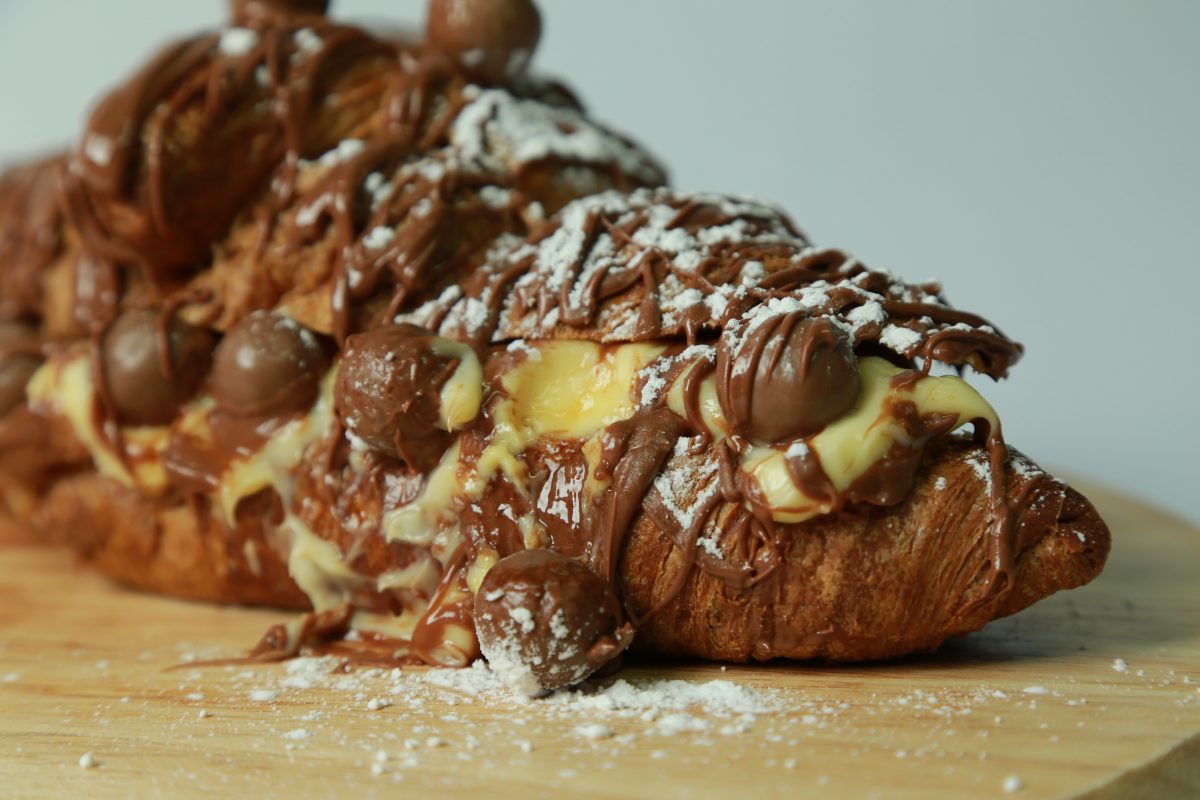
Videos featuring buttery croissants stuffed with an entire ice cream bar have exploded across social media.
The croissant is sliced open rather aggressively, the ice cream bar inserted inside, the wooden stick removed and the pastry closed around it.
The result?
A calorie bomb.
View this post on Instagram
An undeniably tempting one.
Another clever—if much more time-consuming—trend involves homemade ice cream bars made using a plastic cup.
The inside of the cup is coated with melted chocolate to form a shell. Whipped cream, crushed biscuits, syrup or any filling you fancy goes inside before everything is frozen.
Once solid, you simply tear away the plastic cup to reveal a perfectly formed chocolate-coated dessert.
It’s ingenious.
View this post on Instagram
Then there are the trends we’d rather forget.
One video showed a blogger layering potato chips inside the familiar tube-shaped crisp container with alternating layers of chocolate hazelnut spread. She poured pistachio cream over the top, froze the entire thing and proudly revealed a towering frozen dessert.
I have to admit there are few things I’d be less interested in eating.
And I suspect I don’t need to explain why.
We’re all curious enough to click
To be fair, the people creating these trends are exceptionally good at what they do.
They wouldn’t have hundreds of thousands—or even millions—of followers otherwise.
When a popular creator insists that apple and lemon make the perfect combination, they aren’t relying solely on culinary expertise.
They’re tapping into something much more powerful: our curiosity.
We all want to know whether an unexpected pairing might actually work.
View this post on Instagram
The same applies when a wellness influencer prepares Japanese coffee jelly—a popular dessert in Japan made from coffee set with gelatin. Most viewers may have little connection to Japanese cuisine, yet countless people immediately want to try it.
That’s simply how social media works.
Nobody wants to miss out.
Not even cafés and bakeries, many of which have already introduced their own versions of viral fruit desserts and internet-famous sweets to satisfy curious customers.
Food blogging—the engine behind so many of today’s culinary trends—isn’t going anywhere.
People never stop inventing.
View this post on Instagram
And because the kitchen remains one of the world’s greatest playgrounds for creativity, experimentation and inspiration, there’s no shortage of ideas still to come.
We don’t even have to wait long.
Autumn is less than a month away.
New cafés will open. Seasonal ingredients will arrive. Fresh diet trends will emerge. Countless cameras will start rolling once again.
Food on social media never runs out of surprises.
We’ll all be there, thumb hovering over the “like” button.