 Μake us preferred on Google
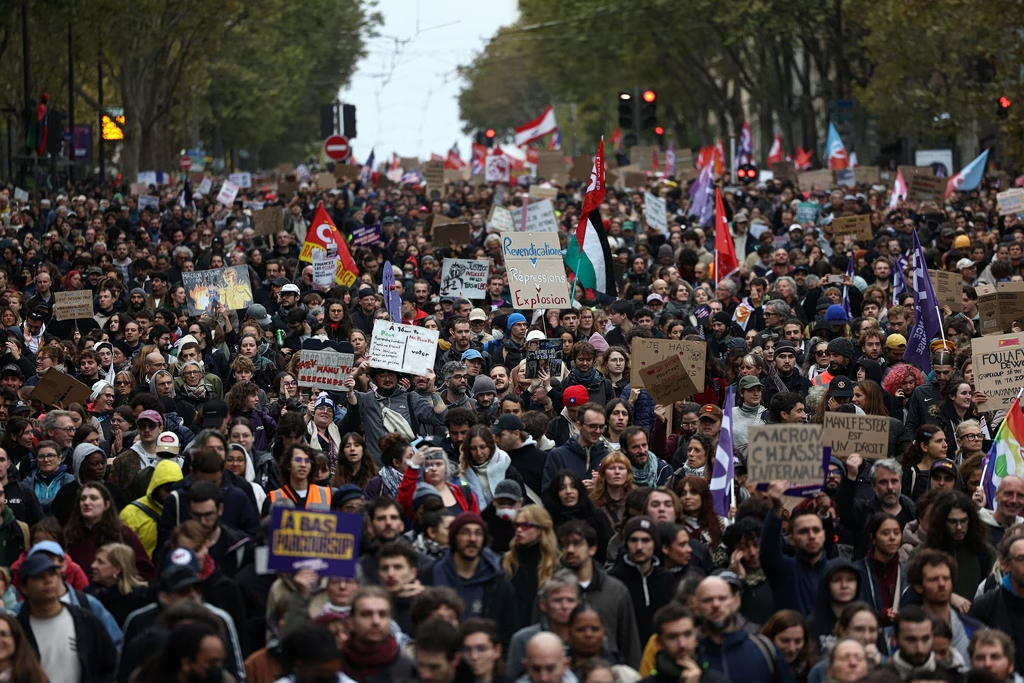
Thirteen years ago, two political scientists formulated the 3.5% rule, according to which no government can withstand the challenge of a nonviolent movement once it manages to mobilize at least 3.5% of the population.
The rule was based on a study of historical data from 1900 to 2006, which showed that nonviolent movements were twice as effective as armed ones. The political scientists’ explanation for the effectiveness of nonviolent movements is that they cause serious economic and political disruption, while their mass participation leads to defections from the army, the police or the regime’s inner circles.
However, much has changed in the last 13 years. The 3.5% threshold is not always enough to topple an authoritarian government in an era when, partly thanks to AI, the line between reality and simulation is blurring. But the example of the Serbian students who managed to bring down the corrupt Vučić government is a reminder of the power of nonviolent mobilization.
It is therefore worth looking at the features of this movement, one of which was its duration. For two full years, the students demanded justice and accountability for the 16 people who lost their lives when a canopy collapsed at a newly built railway station in late 2024.
But persistence was not the main feature of the students who dreamed of a country without corruption. According to John Friedman, professor of anthropology at the University of California, San Diego, the student movement was leaderless, and this feature was vital. The students organized themselves and operated as a group without ever appointing a leader.
And ahead of the elections, they set strict rules for their ballot: no student ran on it, and neither did any politician from the government or the opposition. Instead, the “Student List” put forward scientists, artists, professors, athletes, experts and others. In other words, people with recognized contributions to society.
This is how the seemingly impossible was achieved: first, a turnout of 70% of the population (the highest in Serbia’s history), and then a major victory.
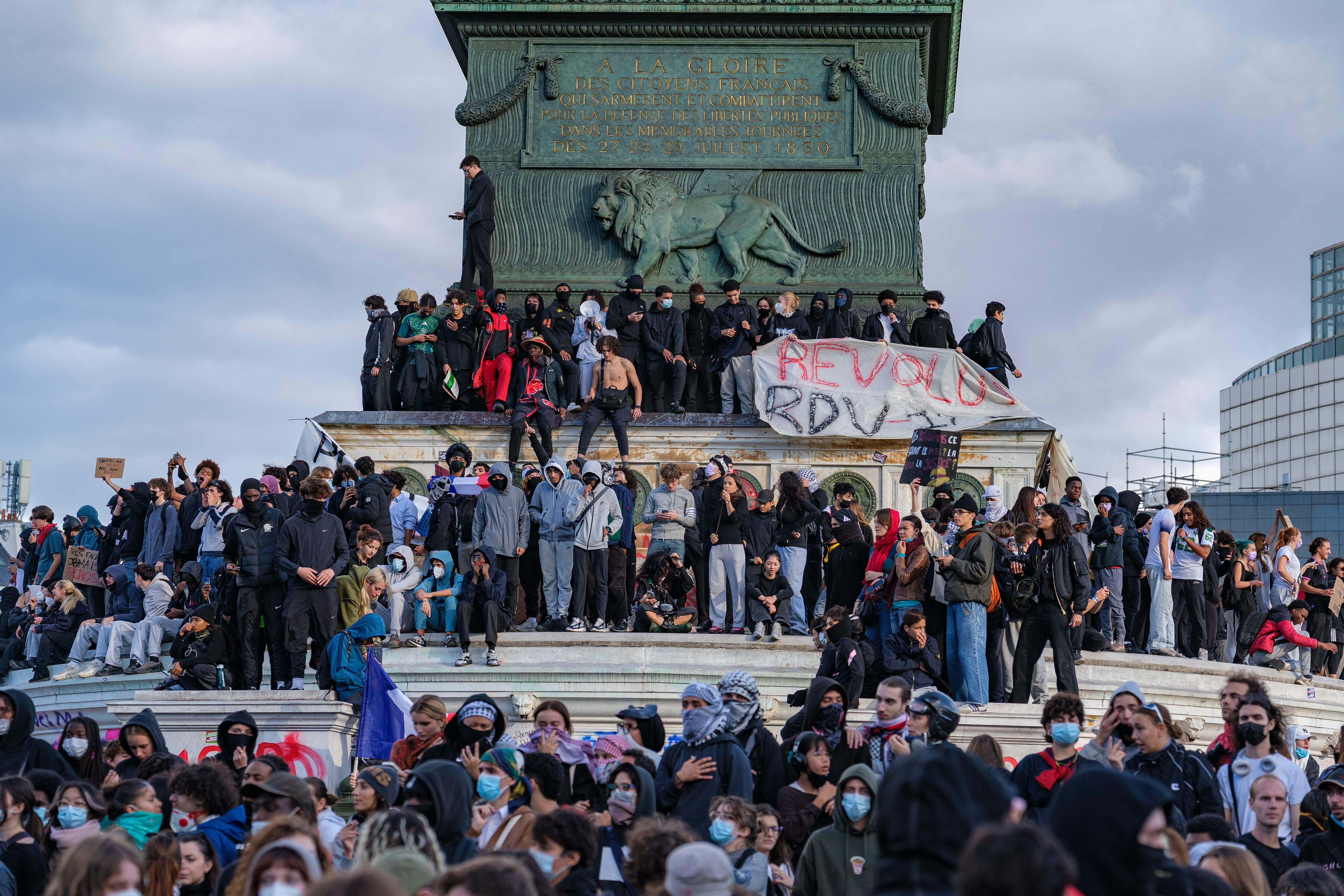
The Serbian students proved that inaction is not a solution to social problems. The French students who rose up in May 1968 believed the same. So did the Greek students of the 1973 Polytechnic uprising. The students rising up now in Europe and around the world seem to believe it too. So perhaps we, the older generation, should listen to them, because history shows that youth is always the best part of a society.