 Μake us preferred on Google
 Fresh tension flared in the Aegean on Tuesday, August 18, as the Turkish Air Force carried out 25 violations of Greek airspace and 14 breaches of air traffic rules within the Athens FIR.
Twelve Turkish aircraft and UAVs took part in the flights, including three F-16 formations, two of them armed fighter jets, one CN-235 aircraft, and four drones. The activity also included one engagement with Greek fighter jets.
A New Escalation With Armed F-16s
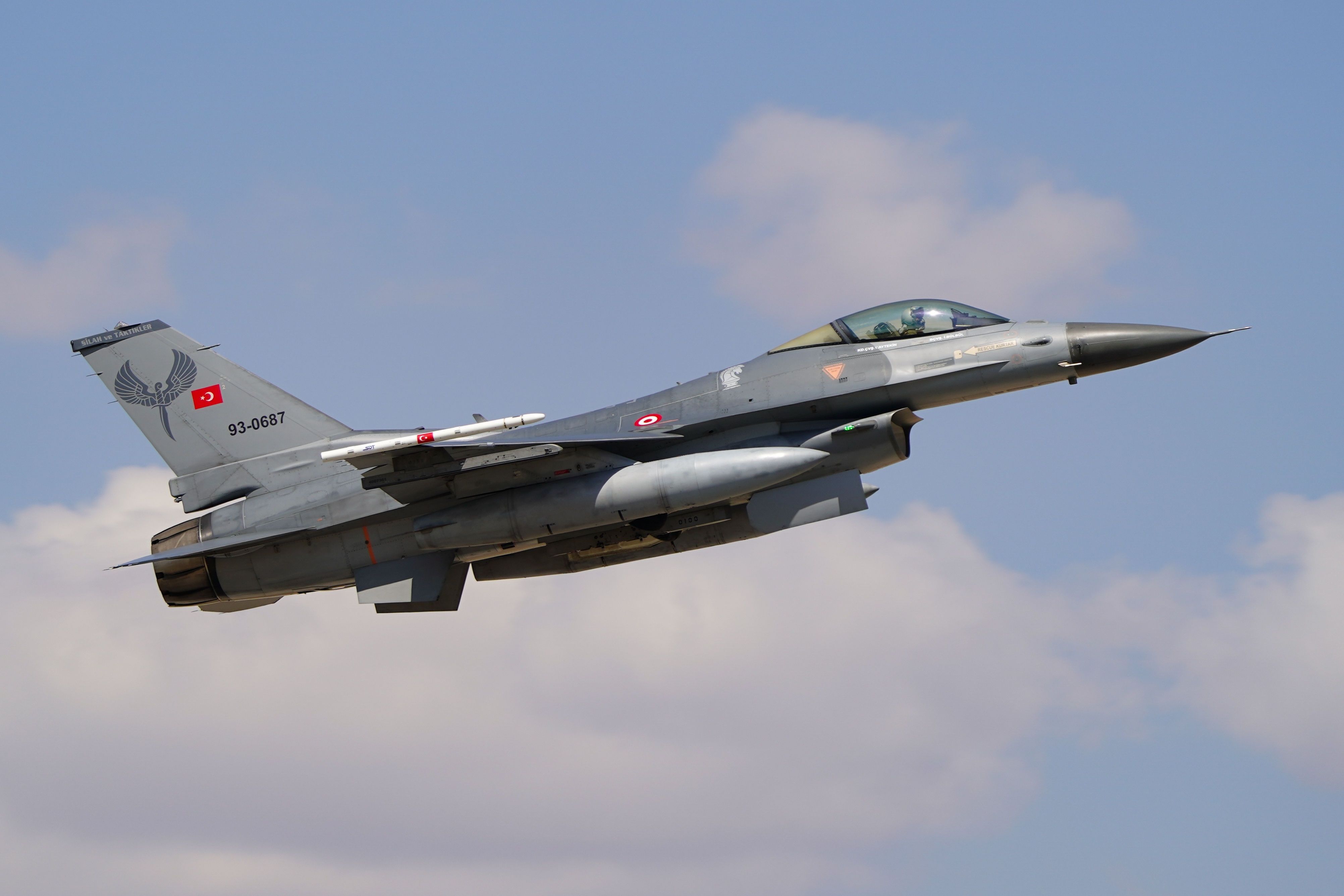
Turkish activity in the Aegean picked up again in intensity, as Tuesday’s maneuvers went beyond isolated violations to include an organized fighter presence in formation, including armed F-16s.
Specifically, three formations of Turkish F-16s operated in Aegean airspace: one made up of three aircraft and two formations of two F-16s each. Of the seven Turkish fighter jets involved in total, two were armed.
During the activity, there was also one engagement with Greek fighter jets, meaning a simulated dogfight during an interception maneuver. This marks the sixth such fighter engagement recorded in just a few months, reinforcing the sense that more aggressive Turkish air activity is returning to the Aegean.
25 Violations and 14 Breaches
In total, Tuesday saw 25 violations of Greek national airspace and 14 breaches of air traffic rules within the Athens FIR.
Of the 25 airspace violations, eight were attributed to the Turkish F-16 formations, while the remaining 17 came from the four UAVs involved in the Turkish activity.
Similarly, of the 14 air traffic rule breaches, three came from the fighter jet formations, nine from the UAVs, and two from the CN-235 aircraft.
The overall picture reflects a complex Turkish aerial operation, combining fighter jets with unmanned and reconnaissance aircraft.
The Turkish flights weren’t confined to a single part of the Aegean. They were recorded in the northeastern, central, and southeastern Aegean, covering a notably wide geographic area.
In total, based on the figures released, seven F-16s, one CN-235 aircraft, and four UAVs took part, bringing the total number of Turkish aircraft and drones involved in the flights to 12.
The Turkish aircraft were identified and intercepted by Greek fighter jets, in line with international rules and standard operational practice.
The Timing, Alongside the Marine Parks Dispute
The renewed surge in Turkish activity comes at a particularly sensitive moment for Greek-Turkish relations.
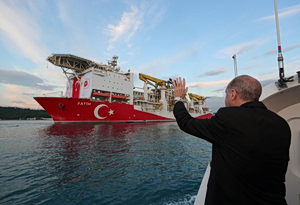
Just days earlier, Ankara declared two “national marine parks” in the Aegean and the Eastern Mediterranean through presidential decrees signed by Recep Tayyip Erdogan. The move drew a strong reaction from Athens and added to a string of actions bringing the two countries’ long-standing disputes over the status and use of the Aegean back into focus.
The heightened military activity in the air thus comes on top of an already strained diplomatic climate, creating a situation in which Athens is closely watching Turkey’s moves.
Concern Over Renewed Tension
What stands out about Tuesday isn’t just the number of violations, but the combination of features in the Turkish activity: F-16 fighters flying in formation, armed aircraft, an extensive UAV presence, flights across different parts of the Aegean, and an engagement with Greek fighter jets.
This comes after a period in which Greek-Turkish relations had shown signs of de-escalation, though the core disagreements between Athens and Ankara were never resolved.
The return of fighter engagements and the increased activity of Turkish F-16s send another signal that the relative calm in the Aegean remains fragile. Athens now has to manage the situation carefully, without disrupting communication channels, but also without allowing new facts to be established on the ground.
Tuesday is being recorded as one of the most intense days in the Aegean in recent memory, with Turkish air activity once again taking on features that raise the risk of a serious incident, particularly given the presence of armed fighter jets and direct engagements.