
 Μake us preferred on Google
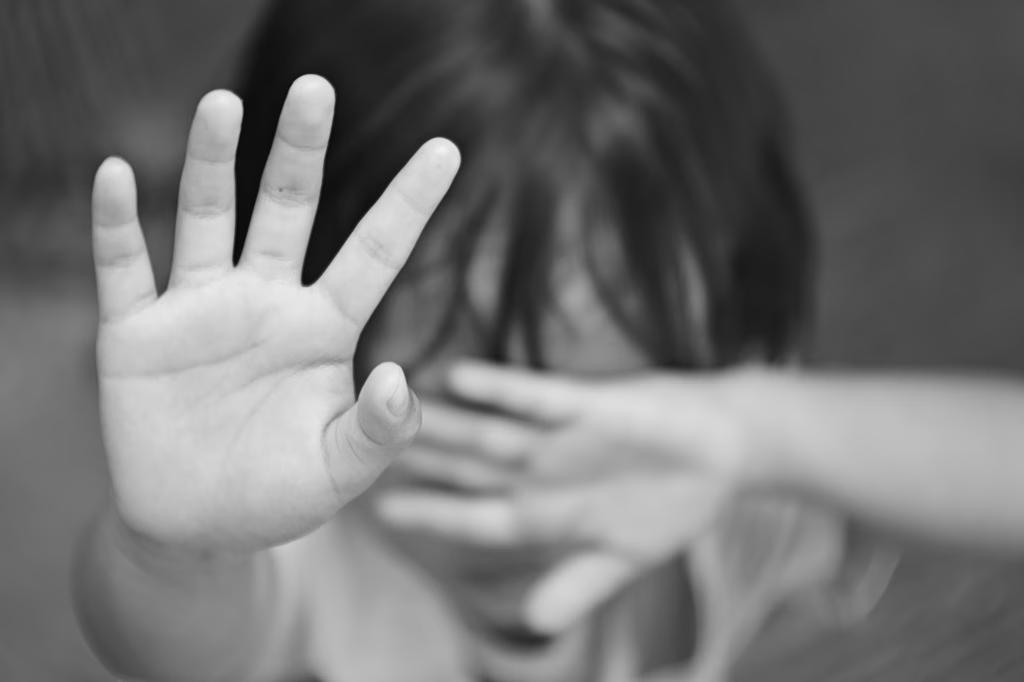
A new protocol expected to be presented by Greece’s Justice Ministry aims to bring major changes to how cases of child abuse are identified, documented and handled, following a series of disturbing incidents involving children admitted to hospitals.
The issue has drawn renewed attention after a recent case at the Karamandaneio Children’s Hospital in the western Greek city of Patras, where a child was brought to the brink of death by starvation and had suffered rat bites.
Speaking to public broadcaster ERT, Vassilis Alexopoulos, a pediatric surgeon at the hospital, warned that cases reaching public attention represent only “the tip of the iceberg,” with the actual scale of child abuse believed to be much greater.
He stressed that efforts to combat child abuse must be ongoing and involve society as a whole, including doctors, teachers, social workers and ordinary citizens. Anyone who notices something suspicious, he said, should immediately notify the authorities.
New protocol to strengthen reporting and documentation
Alexopoulos highlighted the legal protection that the proposed framework would provide to health care professionals who report suspected abuse. In the past, some doctors faced threats of lawsuits and legal action after raising concerns.
“Doctors must not be afraid. There will be full legal protection. The days of this are over,” he said.
The planned measures also include a common cooperation protocol between treating physicians and forensic doctors, as well as mandatory photographic documentation of medical findings to ensure that each case can be properly assessed.
A key change in the upcoming regulations is the formal recognition of neglect as a form of child abuse, in line with practices in other Western countries, Alexopoulos said.
He also called for tougher penalties under Greece’s Criminal Code for child neglect. It is unacceptable, he argued, for a child to be repeatedly hospitalized under the same appalling conditions without meaningful intervention by the state.
Patras lacks safe accommodation for abused children
The pediatric surgeon also pointed to the lack of a safe accommodation facility for abused children in Patras, unlike in other cities.
Children removed from abusive environments need an appropriate temporary place to stay until they can be placed with foster families, he explained.
“No hospital can replace a human embrace,” Alexopoulos said, emphasizing that medical care alone cannot meet the needs of children who have been removed from unsafe homes.
He concluded by urging the public not to remain indifferent to suspected cases of abuse.
“Every child who is saved is our future,” he said.