
 Μake us preferred on Google
US shoppers are determined to keep the holiday spirit alive this year, even while keeping a close eye on every dollar. That is the picture painted by Deloitte’s 2026 Holiday Retail Survey, the firm’s 41st annual look at consumer behavior ahead of the holiday season.
The survey examines what to expect from shoppers across generations and income levels, as many start buying earlier and look for ways to stretch their budgets further. It was conducted online by an independent research panel from Aug. 26 to Sept. 10, 2026, among a nationally representative sample of 4,000 US consumers, with a margin of error of plus or minus 2 percentage points.
Spending Expected To Rise
Surveyed consumers expect to spend an average of $1,654 this holiday season, up 4% from $1,595 in 2025. Most of the increase comes from Gen Z (ages 18 to 29) and millennials (ages 30 to 45), who both plan double-digit spending increases. For the first time in the survey’s history, these two groups are expected to account for half of all holiday spending.
The survey also found:
- Economic mood: 45% of respondents expect the economy to stay the same or improve.
- Retail goods vs activities: planned spending on retail goods is up 10% from last year, to $988, while planned spending on holiday activities is down 4%, to $666.
- Experience gifts: half of shoppers plan to give an experience, up from 47% in 2025 and 39% in 2024. Popular choices include restaurant meals or gift cards (37%) and event tickets (19%). However, 79% of those giving an experience also want to pair it with a physical gift.
- Fewer, better gifts: 47% would rather give one meaningful, more expensive gift than several smaller ones.
- Younger shoppers: Gen Z and millennials say their household finances have improved from last year and plan to spend more after cutting back in 2025. Three in four Gen Z shoppers (76%) plan to give clothing and accessories.
- Income gap: planned spending on retail goods is rising at every income level, but spending on experiences varies with income. Households earning $200,000 or more plan to spend $3,607 on average, more than five times the $693 expected from those earning under $50,000.
“For the first time in our annual survey, Gen Z and millennials are expected to account for 50% of holiday spending, presenting a meaningful opportunity for retailers,” said Natalie Martini, vice chair and US Retail and Consumer Products sector leader at Deloitte. She said their preferences, including wish lists, faster delivery and personalized gifts, can help retailers make shopping more relevant and convenient.
The Bigger Picture
Deloitte’s findings line up with other industry forecasts. The National Retail Federation predicts retail sales in November and December will grow 4.2% over 2025, for total spending of $1.013 trillion. That would be an acceleration from 2025, when holiday sales increased 3.1% to $972 billion. If realized, it would be the fastest growth since 2021.
Part of that growth reflects higher prices, however. According to the Associated Press, the NRF and other organizations that have issued holiday forecasts said they expected higher consumer prices to account for about half of the anticipated growth. “We all acknowledge households continue to navigate persistent inflation and uneven confidence about the economy,” NRF President and CEO Matthew Shay told reporters. Reuters noted that the forecasts came even as major retailers flag spending pressures.
Retailers are also staffing up. They are expected to hire between 325,000 and 375,000 seasonal workers for the 2026 holidays, compared with an estimated 356,000 seasonal jobs added last year.
Shopping Starts Earlier
Early shopping is gaining ground. June promotions have already drawn one in four holiday shoppers, and October sales events have grown over the past three years. Still, Thanksgiving week remains the main event, and generative AI is becoming part of the shopping journey.
According to the survey:
- Earlier start: 22% of respondents plan to start shopping earlier than last year. By the end of October, 28% of shoppers’ budgets were likely to be used up, the highest share in six years.
- June and October deals: one in four had already bought holiday items during June promotions. Four in 10 planned to shop October sales events, up 18 percentage points from 2023 and nearly matching Cyber Monday at 44%.
- Traditional peak: shopping activity is expected to peak in late November, with 77% of shoppers active, and stay high into early December, at 78%.
- Value seekers: nearly four in 10 shoppers (38%) count as “holiday value seekers,” using five or more money-saving habits, such as shopping promotions, redeeming rewards and choosing store brands. Yet they expect to spend 12% more than other shoppers, and they are more likely to start early and keep shopping all season.
- Where people shop: online-only retailers and mass merchants lead the way, with 36% and 18% of shoppers, respectively, expecting to spend the most there. Price and value remain the top factors in choosing a retailer.
- Online vs in-store: shoppers plan to spend 55% of their retail budgets online, but many still prefer stores for certain categories, including food and beverages (81% in-store vs 19% online), pet supplies (62% vs 38%) and home and kitchen goods (60% vs 40%).
- Digital tools: spending rises with the use of digital tools. Shoppers who use search, social media and GenAI all together plan to spend an average of $2,893, compared with $1,175 for those who use none of the three.
Different Generations, Different Habits
Younger shoppers are more likely to want guidance, personalization, convenience and service. Older shoppers prefer to shop on their own, as long as prices are clear. Younger shoppers also lead the self-gifting trend, while higher-income households show a stronger intent to buy for themselves.
The survey found:
- Personalized gifts: 20% of respondents plan to buy personalized or monogrammed gifts, including 33% of Gen Z and 29% of millennials, compared with 14% of Gen X and 5% of baby boomers.
- Wish lists: 44% of respondents find gift shopping stressful. Of those, 74% say wish lists make it easier, including 79% of Gen Z and 69% of baby boomers.
- Same-day delivery: 26% want same-day delivery, rising to 37% of Gen Z and 33% of millennials, compared with 24% of Gen X and 13% of baby boomers.
- Help with luxury gifts: another 26% rely on salespeople to find a luxury gift, including 34% of Gen Z and 31% of millennials, compared with 18% of Gen X and 13% of baby boomers.
- Self-gifting: those planning or considering a gift for themselves expect to spend $299 on average, up 13% from 2025 and 20% from 2024. Almost half of Gen Z (49%) plan to self-gift, compared with 18% of baby boomers. Men plan to spend more on themselves ($355) than women ($245).
“Holiday shoppers are not looking for a one-size-fits-all experience,” said Brian McCarthy, Retail Strategy leader at Deloitte. He said retailers that tailor the experience, offering more personalization and convenience to younger shoppers and clear value to older ones, can make shopping more relevant and capture growing self-gifting demand.
The View From Greece
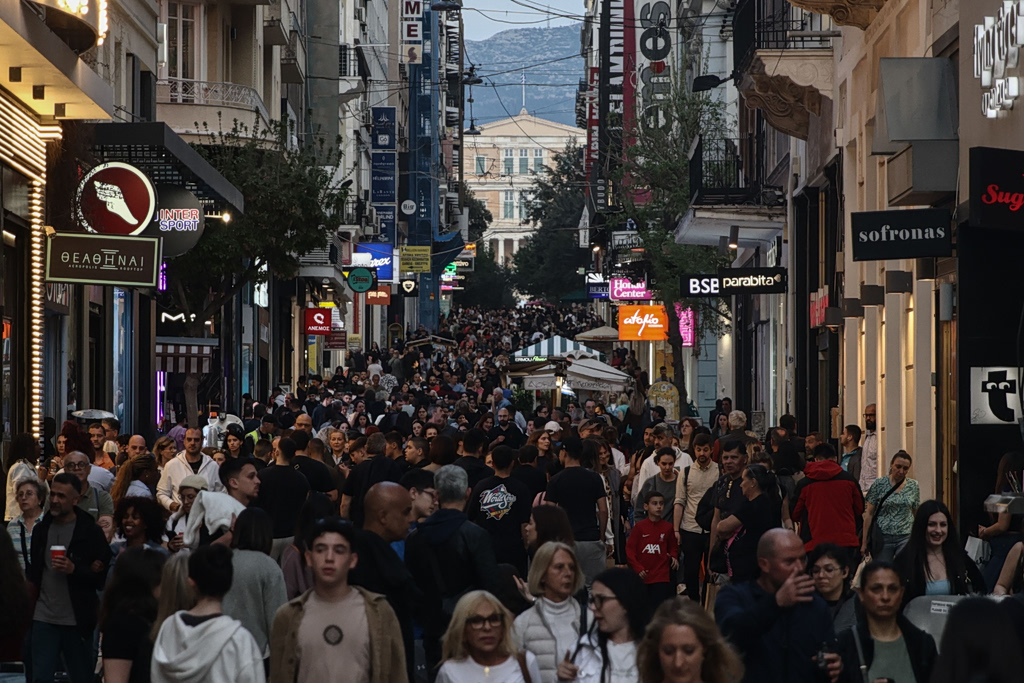
Stelios Mantas, Partner and Consumer Leader at Deloitte Greece, said the survey shows a more selective consumer who is not necessarily cutting spending but is looking for real value, comparing prices and using digital tools and AI to research purchases.
He said a similar picture is emerging in Greece. Although consumers remain cautious about the cost of living, they are still keen on holiday shopping. Targeted offers, personalized service and a seamless omnichannel experience combining stores and digital channels are key to boosting sales, he said. Trends such as self-gifting also create new opportunities to reach people looking for small personal rewards during the holidays.