 Μake us preferred on Google
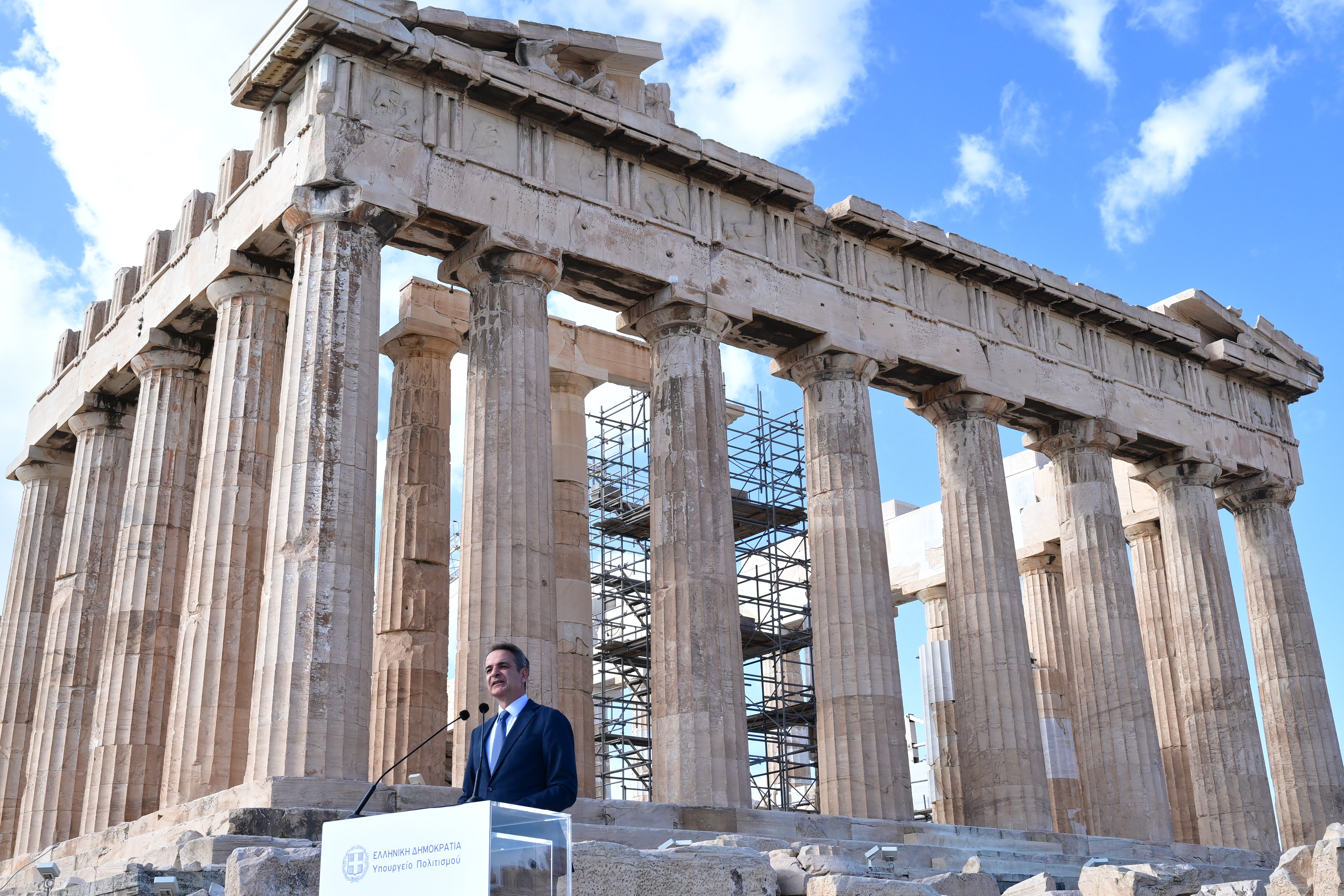
Prime Minister Kyriakos Mitsotakis said Monday that Athens would not recognize British ownership of the Parthenon Marbles as part of any agreement to reunite the ancient sculptures, reaffirming a longstanding Greek position that remains a major obstacle to negotiations with the British Museum. Speaking at the inauguration of the restored Old Acropolis Museum on November 23, Mitsotakis argued that the dispute was about restoring the integrity of the Parthenon rather than simply securing the return of individual artifacts. “We are not talking about a legal dispute or an isolated claim for the return of exhibits,” he said. “We are talking about fully restoring a monument that has been mutilated.”
Mitsotakis insisted that no agreement could require Athens to acknowledge another country’s ownership of the sculptures, a condition that has repeatedly complicated efforts to reach a deal. “No solution, no agreement can involve recognizing foreign ownership,” he said.
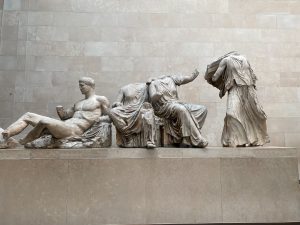
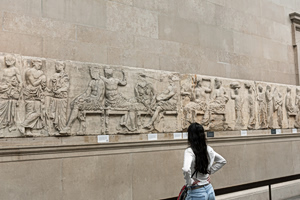
The sculptures, removed from the Parthenon by agents of Lord Elgin in the early 19th century, remain divided between Athens and the British Museum in London. Greece has sought their return for decades, arguing that they form an integral part of the ancient temple. The PM’s remarks come less than three weeks after the British government ruled out changing legislation to allow the sculptures to be permanently returned to Greece.
Mitsotakis Defends Controversial Acropolis Projects
Mitsotakis also used the museum’s inauguration to take aim at his political opponents, defending his government’s record on cultural heritage and dismissing criticism of previous interventions at the Acropolis. He revisited the controversy surrounding accessibility projects at the ancient site, particularly the installation of an elevator and the use of concrete, rejecting accusations that the work had damaged its character.
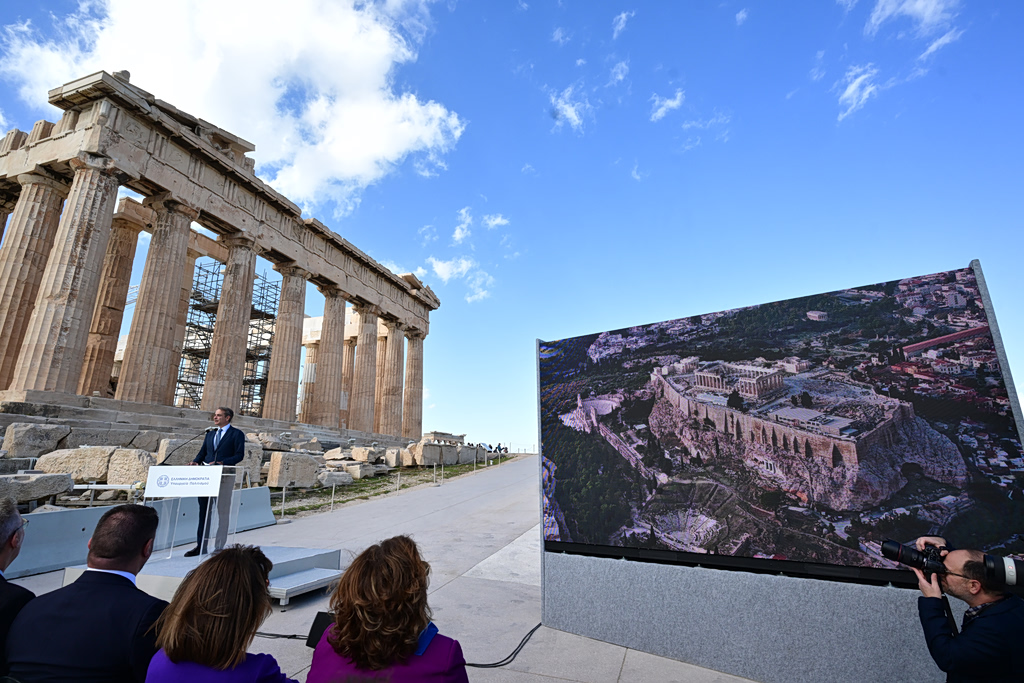
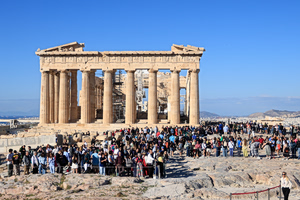
Prime Minister Kyriakos Mitsotakis speaks in front of the Parthenon during the inauguration of the restored Old Acropolis Museum in Athens, Monday, November 23, 2026. (Tatiana Bolari/Eurokinissi)
The prime minister also referred to continuing restoration work on the Acropolis walls, plans to make the eastern plateau accessible and efforts to improve connections between the Acropolis, the Ancient Agora and the Kerameikos archaeological site.
He noted that the Old Acropolis Museum was the 34th museum inaugurated during his government’s tenure, using the figure to underscore what he presented as his administration’s record of delivery. “Those who invest in petty, easy criticism need only come here,” he said, contrasting what he described as empty promises with completed projects.
A Historic Museum Reopens
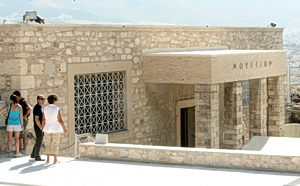
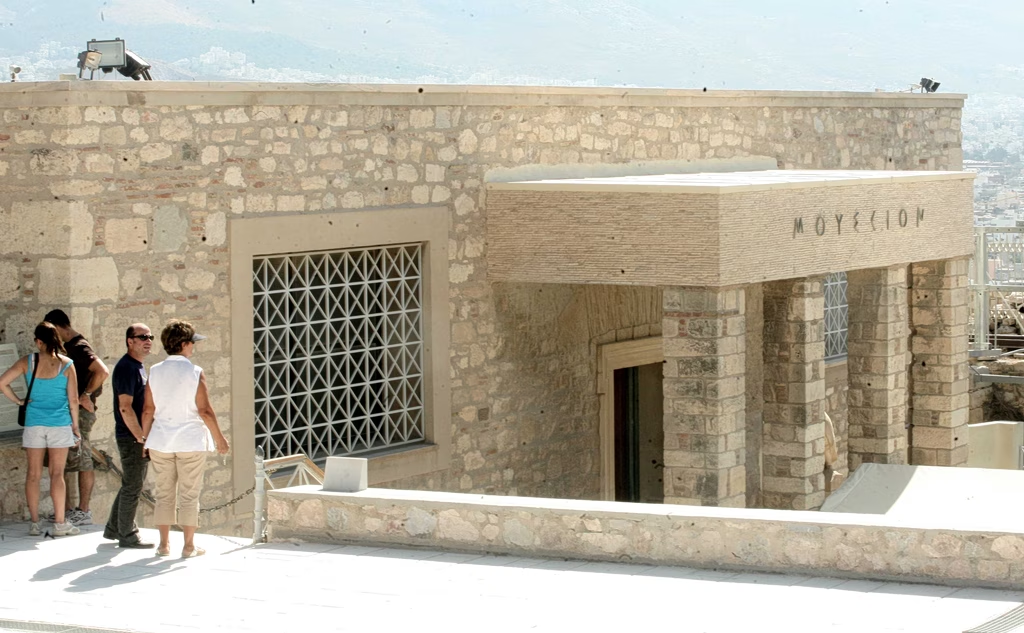
The inauguration marked the return of the Old Acropolis Museum to use after 19 years of closure. Built in the 19th century southeast of the Parthenon, the museum was designed to sit discreetly within the archaeological site, without obstructing views of the ancient temple. It opened in 1874 and housed archaeological finds from the Acropolis until its collections were transferred to the new Acropolis Museum, which opened in 2009.
The building’s future had remained uncertain for years, with proposals ranging from demolition to conversion into a refreshment pavilion. Since 2017, it had been used to store antiquities.
Following a restoration costing approximately 5.86 million euros, the museum has been given a different purpose. Its facilities now accommodate archaeological exhibitions, digital displays and contemporary art, while part of the building serves as a storage and exhibition space for architectural fragments and other antiquities. The program includes an exhibition by American-Iraqi artist Michael Rakowitz, as well as displays exploring Athens’ archaeological history.
Visitors will have to purchase a separate ticket to enter the museum.