 Μake us preferred on Google
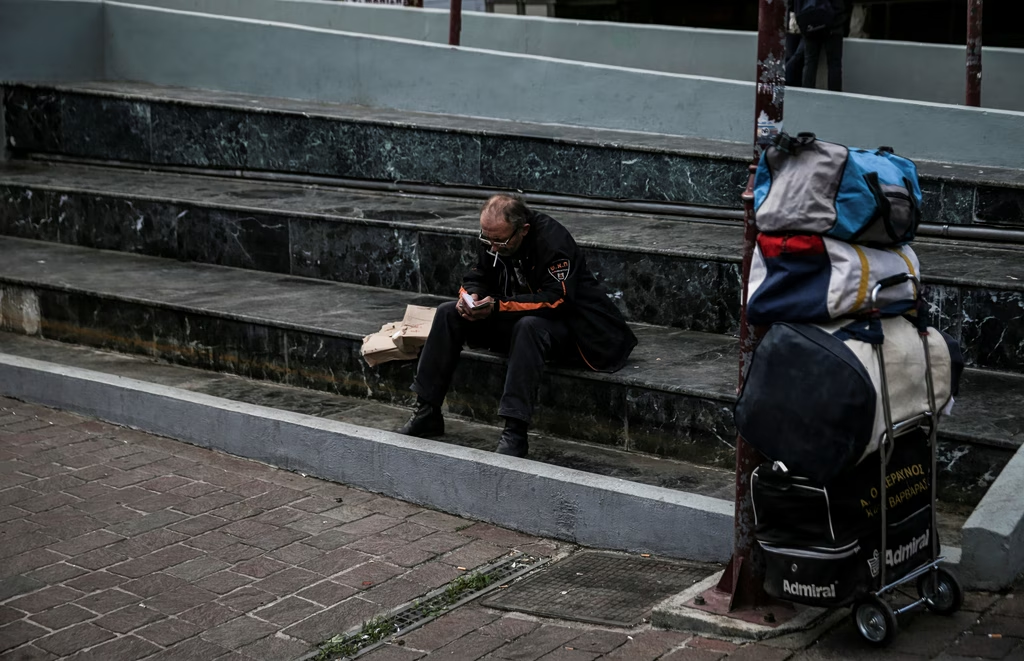
At 74, Nikos wakes up every morning in his car.
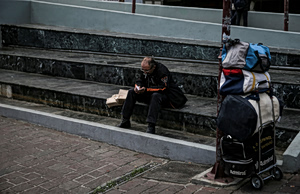
The vehicle has become his home since he was evicted from the house where he once lived with his wife and two children. Now he sleeps there alone, with no door to close behind him and little protection from the weather or the dangers of the street.
His story was reported by journalist Natalia Dionysioti for MEGA’s television program Exelixeis Tora.
“Since then I have been living in a car, in a terrible condition,” Nikos said.
He said he had sought help from a shelter in Ilion, a western suburb of Athens, but was allowed to use the facility only during the day to shower and wash his clothes.
“There was an available bed, but they did not accept me,” he said.
From homeowner to sleeping in a car
Nikos had bought his home with a mortgage and said he had kept up with the payments until he lost his job after the business where he worked closed.
Health problems and financial difficulties followed, eventually leading to the loss of his home and the place where he had built his family life.
Since February, he has been spending his nights in his car, while his wife stays at a friend’s home.
“I can’t make her live in a car. There was no way she could manage it,” he said.
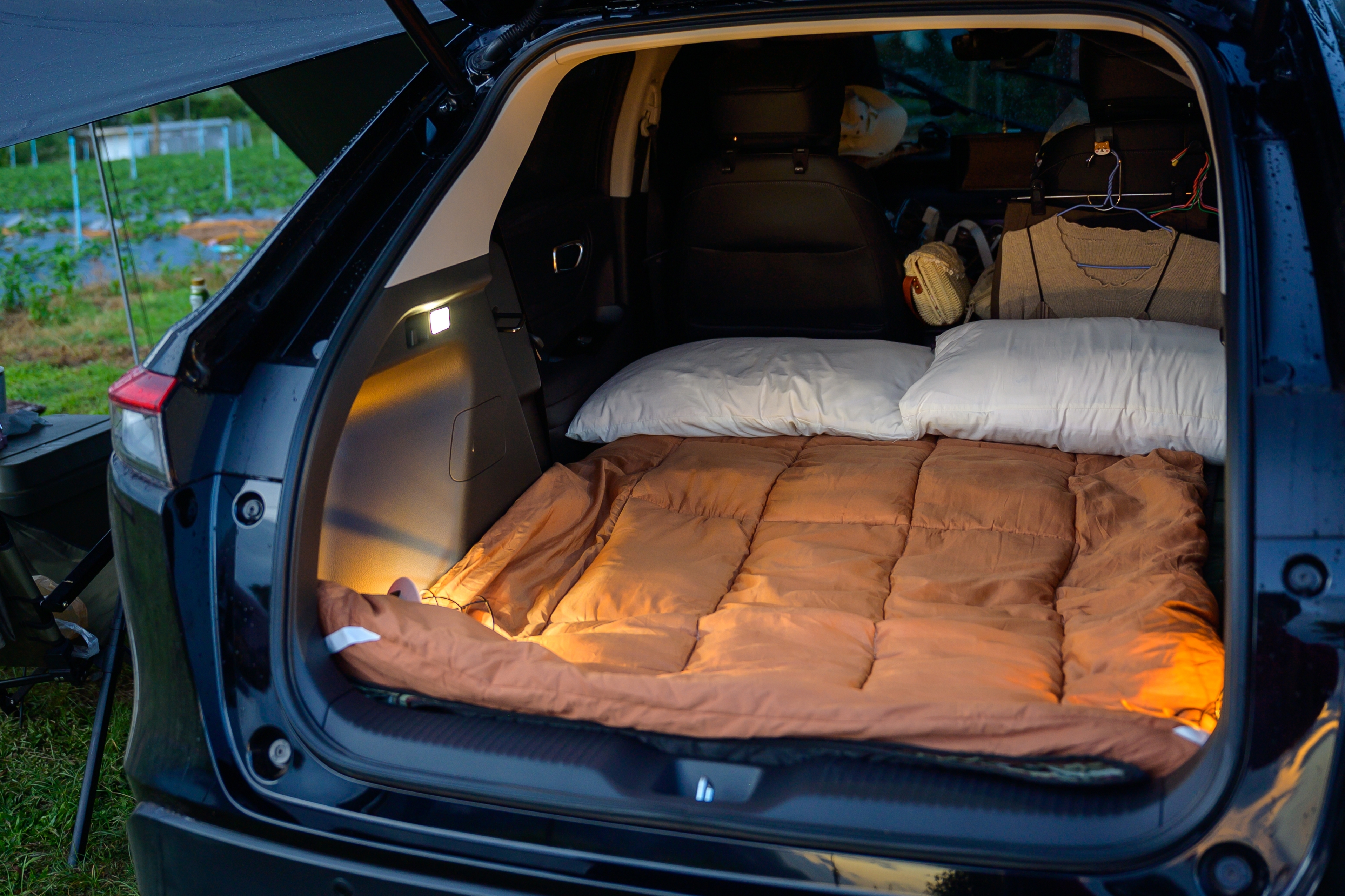
The conditions inside the vehicle have been difficult in every season.
“During the summer it was an oven inside the car,” he said. “And now that it is winter, in the morning there is humidity as if you had put the car through the washing machine, and all my bones hurt.”
He also worries about his safety.
The rear doors of the car no longer lock because the battery has run out, leaving him concerned about what could happen during the night.
“There’s always a risk that something could happen,” he said.
He has even asked someone at a nearby business to tell anyone who might try to remove the vehicle that it is not abandoned.
Working six hours a day for €15
Despite his age and circumstances, Nikos continues to work.
He wakes at 5 a.m. and spends about six hours walking through the streets distributing flyers. He says he walks between 20 and 25 kilometers a day and earns between €15 and €16.
That money goes toward food and the medication he needs.
At times, he drinks only water to suppress his hunger.
“If I don’t make it to the facility, I’ll get some cheese pie or a sesame bread ring and some water to fill myself up,” he said.
At the facility, he sometimes receives lunch consisting of a sandwich, a banana and juice. If food remains in the evening, he can take some home with him, but residents staying there have priority.
“I can’t psychologically take it anymore,” he said.
The summer was particularly difficult. Nikos said he sometimes left his car simply to escape the heat, sitting on a bench outside rather than remaining inside the vehicle.
‘I’ve written down the phone numbers’
With winter approaching, Nikos said he is increasingly worried about what awaits him.
“I’ve written down in a notebook the phone numbers of the people who need to be notified if something happens to me,” he said.
He also described the psychological strain caused by losing his home through the foreclosure process.
During the first auction of his property, he said, thoughts of his wife and children kept him from harming himself.
“If I hadn’t been thinking about my wife and my children, I would have hurt myself,” he said.
He stressed that he was not saying this to gain sympathy and acknowledged that the thoughts had not completely disappeared.
He also described turning to alcohol at times as a way of coping with the cold and the circumstances.
“Having to drink wine to forget and keep warm is not a solution either,” he said.