 Μake us preferred on Google
Myrsini Prassa was sitting beside her friend Elpida Choupa in the second car of the passenger train on Feb. 28, 2023. Across from them, she recalled, were two other passengers, Gerasimos and Kyprianos.She remembers nothing of the collision that followed.
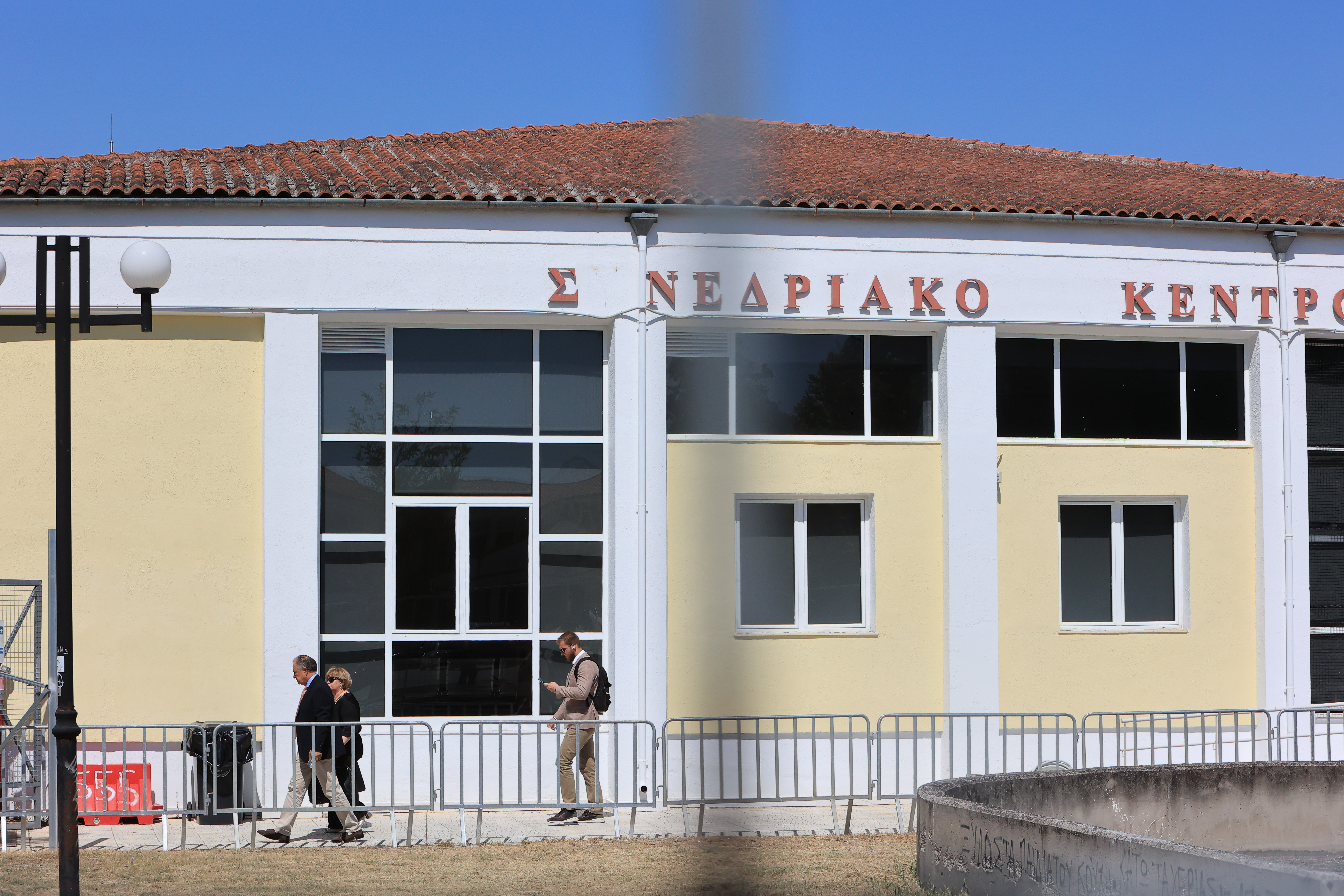
On Monday, more than three years after the Tempi train disaster, Prassa appeared before a court in Larissa, central Greece, to describe the injuries she sustained in the crash and the difficulties she continues to face.”I’ve had six surgeries. I have a metal plate in my knees,” she told the court. “It’s a miracle I’m speaking to you now. It was as though I were dead.”
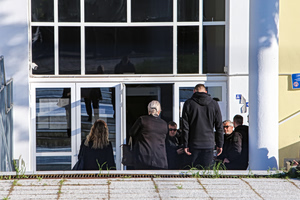
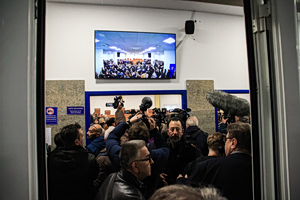
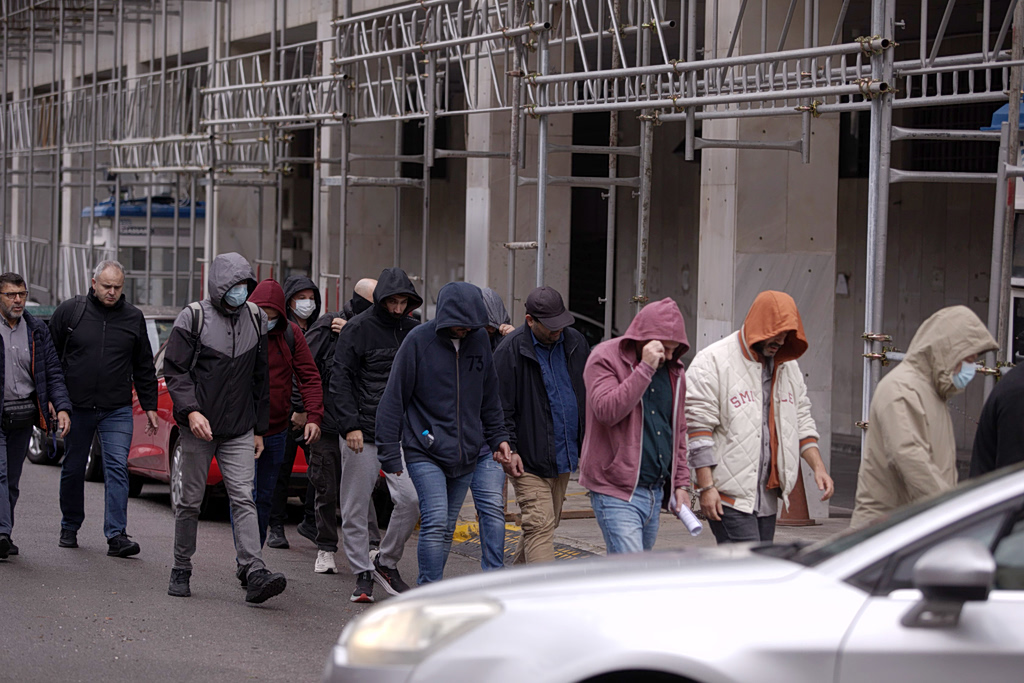
Her testimony came during the 44th hearing of the trial over the railway disaster, in which 36 current and former officials from Greece’s railway sector face charges. Only two defendants, Spyros Pateras and Pavlos Kouzis, were present at Monday’s proceedings.
Survivors Describe the Collision and Its Aftermath
Prassa, the first witness to testify Monday, said her most serious injury was to her skull. Surgeons removed part of it after she was admitted to the hospital and replaced it in October, she told the court. She said she had struggled to recall words and express herself after the crash and still had difficulty finishing sentences. “I couldn’t remember words or how to express myself,” she said. “I still struggle to finish a sentence.”
Prassa also criticized the absence of most of the defendants from the courtroom, saying she would not find peace until everyone responsible was imprisoned.
The court then heard from Zoi Siozou, who was traveling in the same carriage with her 7-year-old son, Vasilis. The two had just completed a course of serious medical treatment for the boy. Siozou said she had chosen to return by train because she considered it the safest form of transportation.
“We heard someone shouting, ‘Run!’ Others were shouting for help,” she testified. The presiding judge showed Siozou a photograph of the crash site, pointing out the area she had crossed to escape. “I saw people and children climbing onto the train carriages, trying to jump down,” she said. “As I climbed over the buffet carriage, I couldn’t hear a single voice. The panic and fear were extreme.”
Siozou said the fact that she and her son had survived did not mean they had escaped the consequences of the disaster. “My life and my child’s life are not the only ones that matter,” she told the court. “Just because we survived doesn’t mean everything is fine.”
She said she had come to testify because she felt an obligation to recount her experience and speak about those who had died. “Those people should never have met such an end,” she said. “We took a train thinking we would be safe, and instead found ourselves in unimaginable circumstances, with our lives in danger.” “If I had lost my son, I couldn’t have gone on living for even a minute,” she added, appealing to the presiding judge to deliver justice.
Court to Consider Additional Evidence and Witnesses
Five more witnesses are expected to testify Tuesday, following Monday’s hearing. The eight witnesses scheduled for this week include five Intercity passengers and two relatives of victims, according to the court’s latest list.
The prosecutor is also expected to respond to requests by Loukas Apostolidis, a lawyer representing Dionysis Georgiadis, whose son Gerasimos was severely injured in the crash. Apostolidis is seeking testimony from former general secretaries of the Infrastructure and Transport Ministry who served between 2016 and 2023, along with government correspondence with the European Commission concerning railway safety.
The prosecutor was prepared to address the requests at last Monday’s hearing, but the matter was postponed because of time constraints and Apostolidis’ absence.
Requests for Exhumations and Forensic Examinations
Pavlos Aslanidis, whose son Dimitris died in the crash, has requested the identification and examination of bone remains collected from two sites, Koulouri and Pigadia, where debris from the trains and soil removed from the scene of the collision had been transported.
At the previous hearing, lawyer and MP Zoe Konstantopoulou, who represents the family of Denis Ruci, other victims’ relatives and an injured survivor, also submitted a request for exhumations to be carried out under what she described as the auspices of the three-judge criminal appeals court in Larissa. Konstantopoulou, leader of the Plefsi Eleftherias (Course of Freedom) party, said she would present the request in greater detail at a subsequent hearing. Panos Ruci, Denis’ father, has testified at two hearings and is expected to face further questions from his lawyer.
The testimony and requests for further evidence form part of the proceedings against 36 current and former officials from Greece’s railway sector, including OSE, the national railway infrastructure manager; railway project company ERGOSE; train operator Hellenic Train; the Railway Regulatory Authority; and the Transport Ministry.
Of the 36 defendants, 33 face felony charges of dangerous interference with railway transportation, allegedly committed jointly and repeatedly with conditional intent. The charges concern alleged acts that endangered railway safety, resulting in multiple deaths, serious injuries and extensive damage to public utility infrastructure.
A conviction on that charge can carry a sentence of up to life imprisonment.