 Μake us preferred on Google
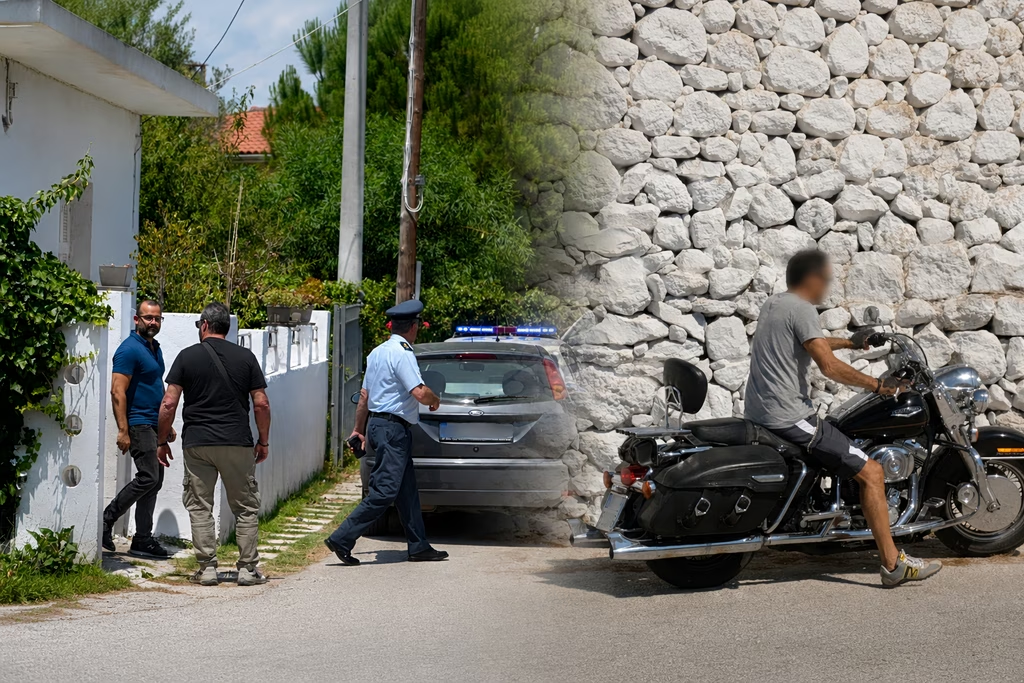
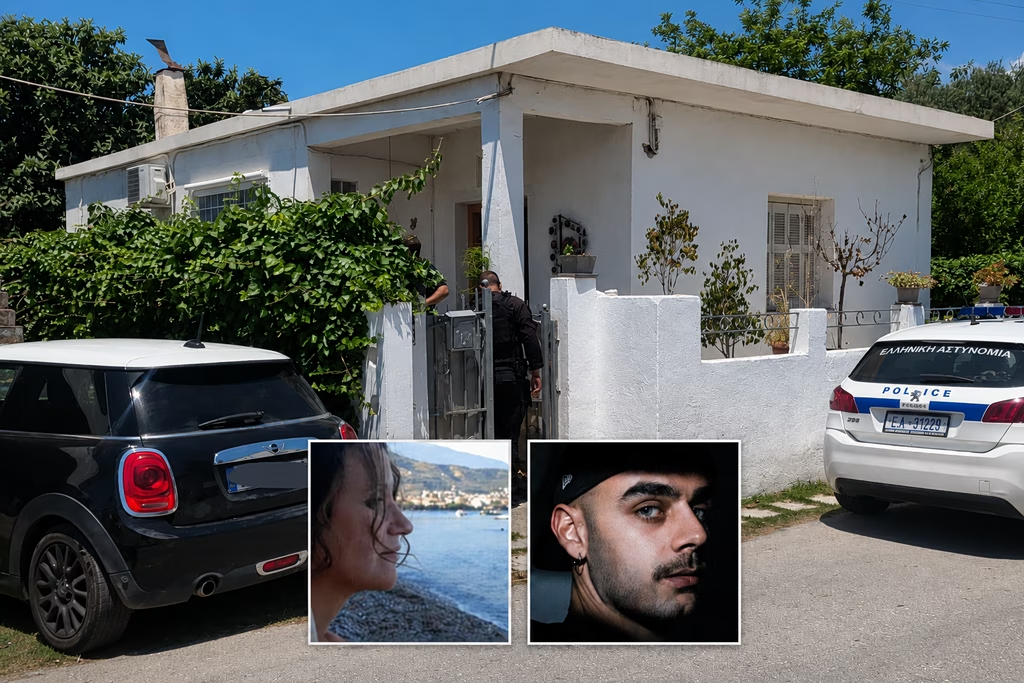
 The investigation into the double murder near Aigio, western Greece, involving a 54-year-old mother and her 26-year-old son, is increasingly resembling a real-life thriller. The latest forensic findings appear to raise new questions about the circumstances of the crime, further complicating the authorities’ efforts to uncover what happened.
At the center of the case remains the woman’s 65-year-old Italian partner, who has been charged with multiple counts of intentional homicide. However, based on the evidence gathered so far, fully solving the case is proving exceptionally difficult.
According to reports, no DNA or fingerprints belonging to the 65-year-old have been found on any of the pieces of evidence collected and examined from the crime scene. Investigators consider this a critical development, as the suspect remains at the center of the inquiry despite the absence of forensic evidence directly linking him to the items recovered.
Authorities continue to assess the entire case file, witness statements, and evidence collected from the location where the mother and son were found dead, searching for inconsistencies or overlooked details. Particular attention has been drawn to evidence found beneath the 54-year-old woman’s fingernails, where investigators discovered only the genetic material of her son. The finding is being carefully examined, as both victims were discovered dead inside the young man’s room, bearing injuries inflicted by a sharp object.
Unknown DNA Found on Weapon
New questions have emerged from genetic material recovered from the weapon allegedly used to shoot the 26-year-old.
According to the same reports, forensic testing identified the mother’s DNA, the son’s DNA, and genetic material belonging to a third, as yet unidentified individual.
The unidentified DNA does not match that of the 65-year-old Italian suspect, making the finding one of the most significant developments in the investigation. Authorities are now tasked with determining whose DNA it is and whether that person is connected to the case.
Investigators have also been struck by the fact that, based on the evidence collected so far, no traces of blood were found elsewhere in the home beyond the room where the incident occurred. The finding is being examined to determine whether the double homicide took place entirely within that space or whether there are aspects of the case that have yet to come to light.
Another key focus of the investigation is the reason the 26-year-old had returned to his family home in Longos, near the town of Aigio in western Greece. Authorities are examining whether his presence there was simply a visit or whether it was connected to a serious family matter that required attention.
At the same time, investigators are evaluating claims made by the accused regarding mental health issues that allegedly existed within the family environment, in order to determine whether they are related to the tragic incident.
Witness Testimony and New Forensic Evidence
Statements from relatives and people close to the 26-year-old, combined with the results of ongoing forensic examinations, are expected to play a decisive role in the direction of the investigation.
Authorities are attempting to piece together the puzzle of the double murder by analyzing the evidence, witness accounts, the movements of those involved, and the unidentified DNA found on the weapon. Until firm conclusions can be reached, the case remains open, with each new discovery deepening the mystery surrounding the deaths of the 54-year-old woman and her 26-year-old son.