
 Μake us preferred on Google
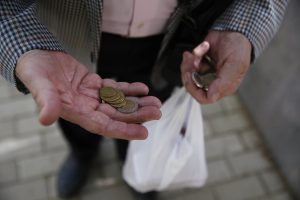
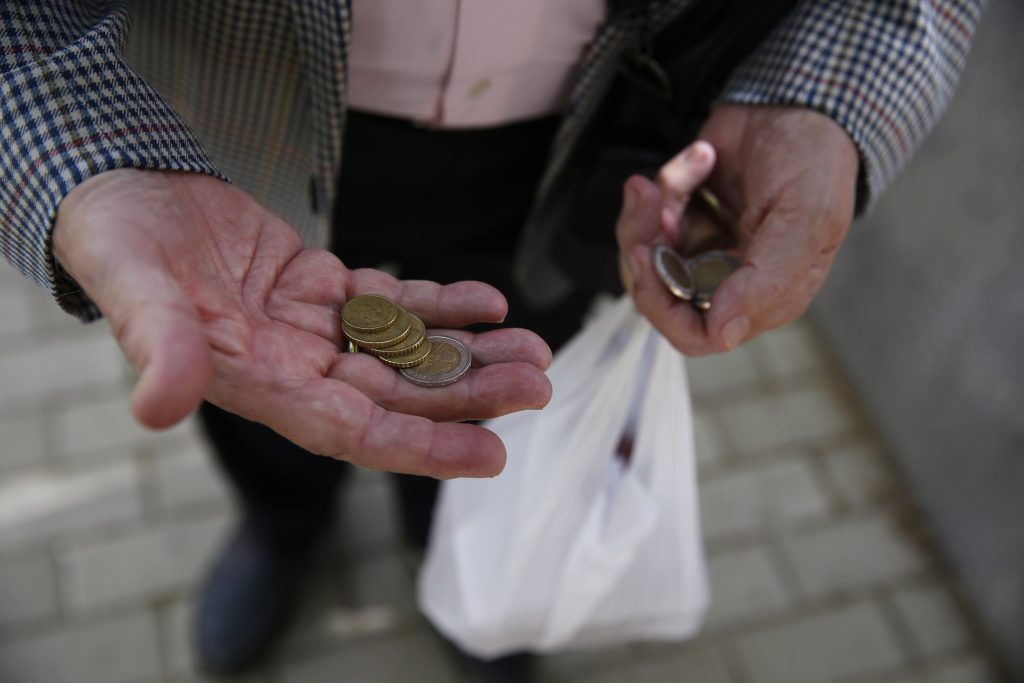
 The number of working retirees has topped 300,000. In an effort to boost their income, more and more retirees are turning to employment after retiring. Low pensions, combined with the high cost of living, are pushing retirees to look for extra income.
A retiree can now keep working after starting to receive a pension, without having it cut by 30%, as was the case in the past. As a result, thousands of insured workers who reach the age limits and the required days of insurance (even by using notional years) apply for a pension while choosing to continue working.
Who Benefits
Let’s look at which retirees benefit from working:
- Freelancers aged 62 and over who meet the requirements for a full pension.
- Self-employed professionals (doctors, engineers, lawyers) aged 62 and over who meet the requirements for a full pension.
- Salaried employees who can stay on the job in agreement with their employer and meet the requirements for a full or, in some cases, reduced pension.
- Farmers.
- Insured persons who can receive a disability pension and thus increase their income.
Specifically, as of January 1, 2024, the pension cut for working retirees was abolished, and a special contribution to e-EFKA was introduced, calculated differently for salaried employees, freelancers and farmers. Those who work and receive an old-age pension, whether as salaried employees or self-employed, receive 100% of their main pension and supplementary pension, where one exists, from e-EFKA. The same applies to those receiving a disability pension or an old-age pension due to specific medical conditions.
The Extra Charges
Retirees who take up work will face the following financial charges:
- Salaried employees pay an additional contribution to e-EFKA equal to 10% of their gross earnings.
- Self-employed workers and freelancers pay contributions 50% higher than those of their chosen main insurance category.
- Farmers (outside the former OGA) pay contributions 50% higher than those of their chosen main insurance category.
The Exemptions
The following are exempt from paying the contribution: retirees on disability pensions or pensions due to specific medical conditions, those receiving a non-institutional care allowance, and parents of large families.
The following pay no insurance contributions or e-EFKA contribution at all:
- Retirees of the former OGA, provided their work falls under the former OGA’s insurance.
- Retirees of other funds now part of e-EFKA, provided their annual income from farming does not exceed 10,000 euros.
Failing to declare the start of employment results in a fine equal to 12 monthly main and supplementary pension payments.
What They Gain
The benefits under the new employment rules for retirees are as follows:
1. For salaried employees, continuing to work after retirement means two parallel sources of income at a very small cost. They receive 100% of their main and supplementary pension and pay only a special contribution of 10% on their gross earnings. This contribution is not withheld from the pension but is calculated on the salary.
Example: a salaried employee with gross earnings of 1,200 euros pays 120 euros a month but keeps the entire pension of 800 or 1,000 euros.
As a result, their total monthly income is much higher than it would be if they stopped working. With inflation close to 4% and energy and rent costs rising rapidly, this additional amount absorbs price increases without cuts to basic needs.
In addition, the social security credits they continue to earn are not lost. For each year of work, the pension increases by 0.77% of earnings. Already, 10,278 working retirees have received an increase, which in some cases exceeds 100 euros a month.
2. For freelancers and the self-employed (engineers, doctors, lawyers, accountants, merchants and others), the new framework is even more attractive. This group often stayed active beyond the general age limits anyway and frequently delayed applying for a pension to avoid losing income. They can now retire and continue their activity as usual.
They collect their pension at the same time and finally see a return on the contributions they paid for decades. The extra charge remains limited. For 2026, the main pension contribution in the first insurance category is 185.09 euros, so the additional contribution comes to about 92.55 euros a month. There is also a maximum annual charge of 5,362.44 euros, equal to 12 times the national pension. Freelancers today face double pressure: from higher operating costs (energy, fuel, rent for business premises) and from the high cost of everyday living. In this situation, the pension acts as a steady monthly “cushion” against fluctuations in revenue.
3. Farmers: Continuing their activity while receiving a pension is an excellent option. Retirees of the former OGA who continue farming pay no additional contribution or charge.
Finally, it should be noted that once they stop working, working retirees are entitled to a pension increase. The increase is granted after they stop working and submit an application to EFKA. The increase in working retirees’ pensions is calculated at an annual rate of 0.77% of the earnings or insurance contributions paid during the period of employment.
As a Result:
- For salaried employees: the increase equals 0.77% of the annual (or average) salary for each year of work. For example, with a salary of 1,000 euros, the increase is about 7.77 euros a month for each year of insurance.
- For non-salaried workers (freelancers): it is calculated based on the chosen insurance category and is paid per year of employment.