 Μake us preferred on Google
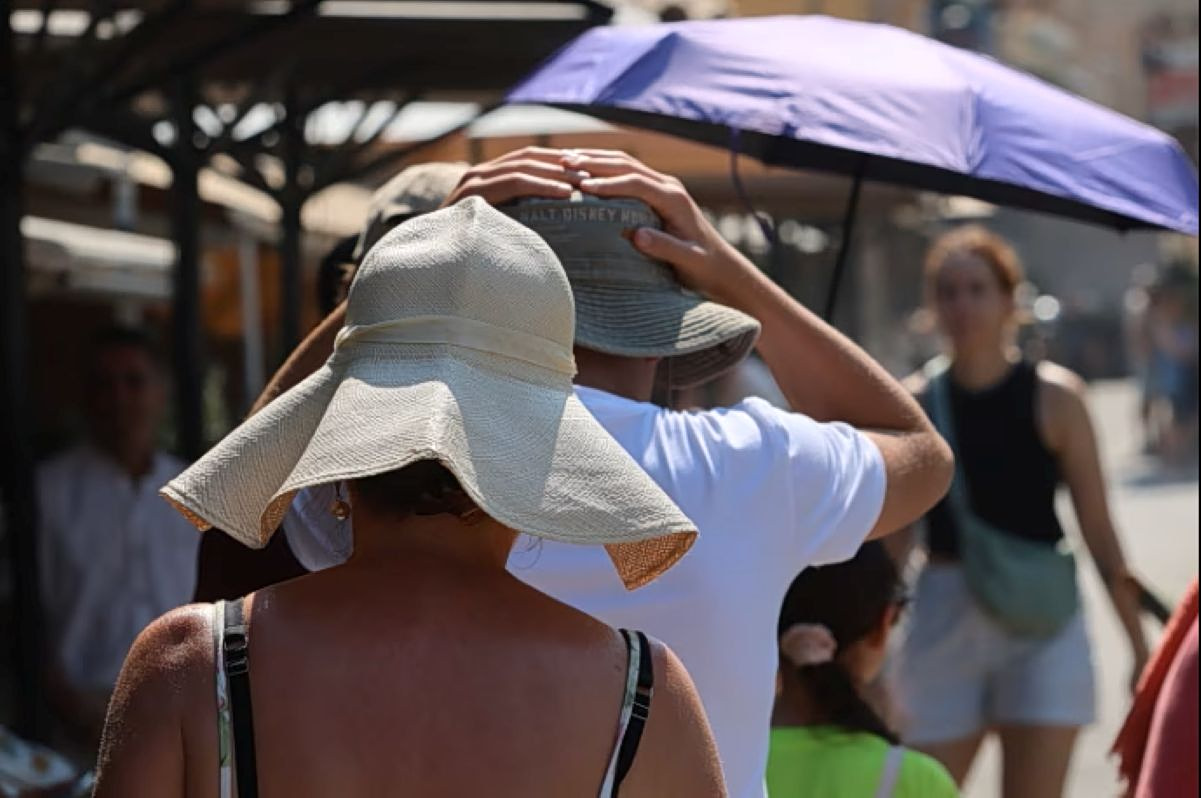
 The summer season is drawing to a close amid high temperatures and strong tourist traffic, while scientific data from the Southern Hemisphere point to an intensifying El Niño. Scientists estimate that the phenomenon is gaining such strength worldwide that 2027 could become the hottest year since temperature records began.
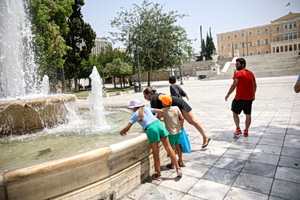
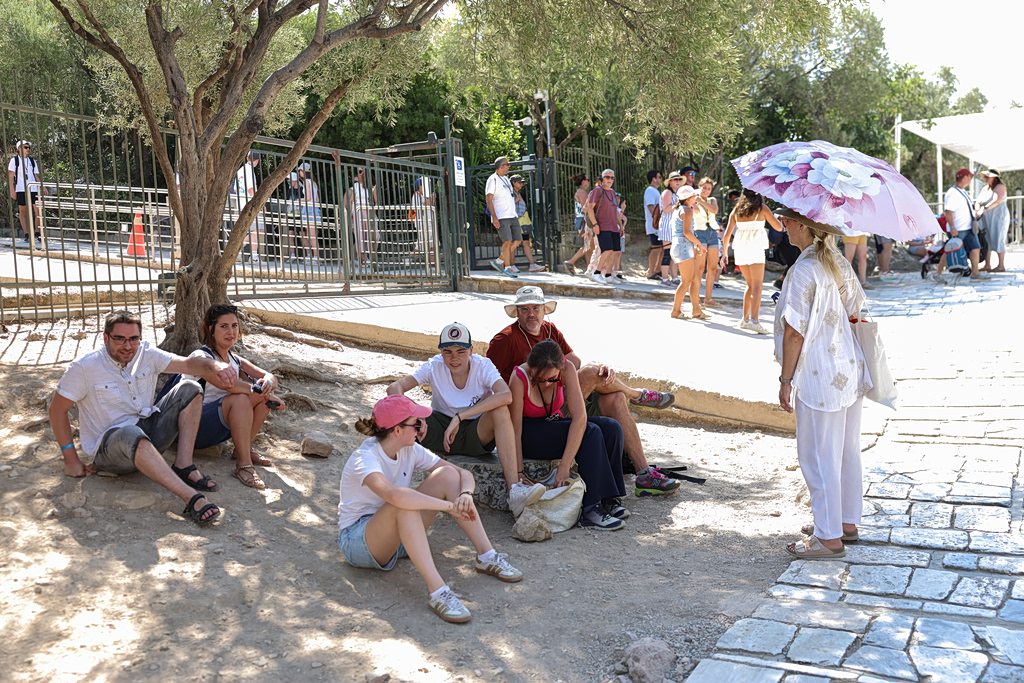
Against this backdrop, Dr. Andreas Flouris, Professor of Physiology and Director of the FAME Lab at the University of Thessaly, and a scientific collaborator with the World Health Organization, spoke to the Athens-Macedonian News Agency (ANA-MPA) about the need to protect tourism from rising heat. The quality of a vacation, he says, depends not only on accommodation and food but also on conditions at archaeological sites, on the way to the beach, and while waiting for transportation. As the climate warms, visitor safety and comfort are becoming critical for Greek tourism, and protection from the heat is now part of hospitality itself.
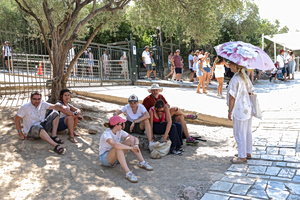
Visitors come to experience a destination, he notes, and they should be able to do so without unnecessary strain. That care begins before arrival and lasts throughout the stay. Dr. Flouris cites a recent study of some 6,500 online reviews of eleven open-air heritage sites in southern Europe, including Knossos and the Acropolis. On the hottest days, reviewers mentioned heat and discomfort more often, along with the need for shade and drinking water.
A visitor can admire a monument while suffering from the conditions, the professor stresses, so a positive rating is no measure of whether health is being protected. Physiology explains why the same temperature affects people differently: the body absorbs heat from its surroundings and generates more through movement, while humidity, sun, wind, clothing, and activity level determine how well it can shed that heat.
Travelers from cooler climates, as most visitors to Greece are, need particular care. Acclimatization takes time, and age, chronic illness, and certain medications raise the risk. WHO guidelines recommend limiting the intensity and duration of exercise during the first week for those not yet acclimatized. A hike in the heat without that adjustment can strain even people in good shape.
Dr. Flouris’ research highlights the importance of shade, with his team linking sun exposure to greater physical strain and reduced cognitive performance. That means assessing conditions along routes, in waiting areas, and at tour stops; telling travelers ahead of time about the best hours for activities and where to find water and cool spaces; and keeping itineraries flexible when conditions worsen. Hotels can suggest shorter routes or indoor activities, while sites can offer shaded waiting areas and rest stops.
Information, he emphasizes, must be clear and in the traveler’s own language, explaining which activities are affected, what changes, and where to turn for help. Timely, practical guidance is itself a form of care that builds trust in the destination.
Putting these practices in place requires cooperation between businesses and local authorities, staff trained to recognize symptoms, and clear procedures for seeking help.