
 Μake us preferred on Google
 Ankara has objected to Greece’s new special spatial planning framework for renewable energy sources, which has entered into force and includes provisions covering the Aegean maritime area, in yet another Turkish provocation amid a series of recent belligerence by the former over Greek initiatives concerning maritime zones and the Aegean.
Turkish Foreign Ministry spokesman Oncu Keceli said the new framework, like other similar Greek initiatives, has “no legal consequence” for Turkey regarding Aegean issues. He referred to what he described as “geographical formations whose ownership has not been transferred to Greece through international agreements,” while repeating Ankara’s long-standing challenge to Greek sovereignty and maritime rights.
Keceli said such measures do not alter Turkey’s legal position on the Aegean. He also argued that unilateral actions should be avoided in enclosed or semi-enclosed seas such as the Aegean and Mediterranean and called for cooperation between coastal states in accordance with international maritime law.

“Turkey, as one of the two coastal states of the Aegean Sea, is always ready to cooperate with Greece,” Keceli said, reiterating Ankara’s call for a “sincere and comprehensive” approach to bilateral issues based on international law, equality and good-neighborly relations. He also referred to the Athens Declaration on friendly relations and good-neighborly relations, signed by the two countries on Dec. 7, 2023.
The Turkish statement follows a series of recent disputes over Greek initiatives involving maritime planning and the exercise of sovereign rights. Athens has repeatedly rejected Ankara’s objections, maintaining that Greece is entitled to exercise its sovereign rights and regulate activities within areas under its jurisdiction in accordance with international law.
Greece’s new renewable energy framework
The new framework entered into force through a joint ministerial decision signed by a trio of Greek ministers this week.
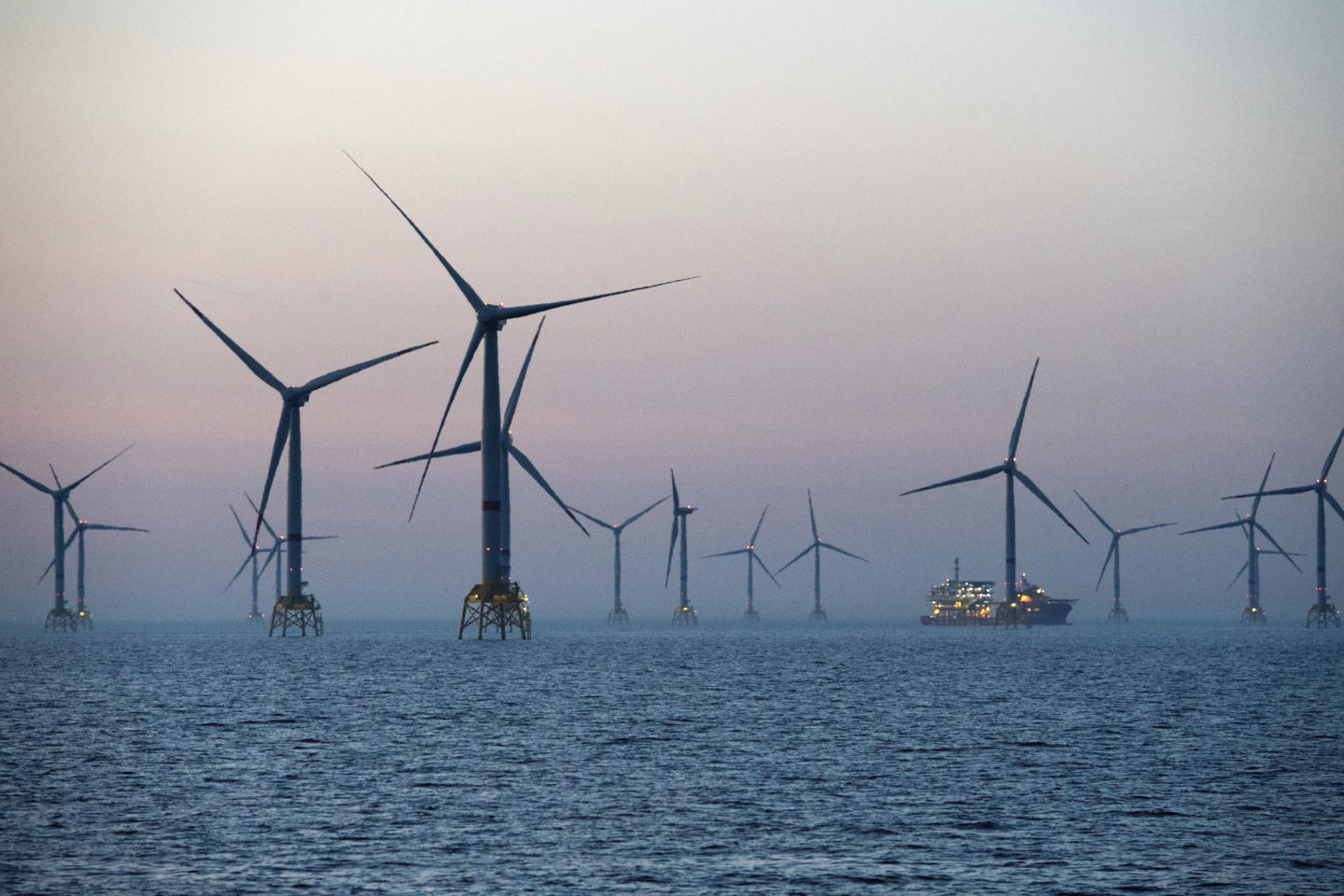
The framework updates the rules governing the siting of new renewable energy projects and energy-storage facilities, taking into account current environmental, social and economic conditions. It establishes updated criteria for the development of renewable energy infrastructure, including provisions concerning offshore areas, as Greece seeks to expand renewable generation and accelerate its energy transition.