 Μake us preferred on Google
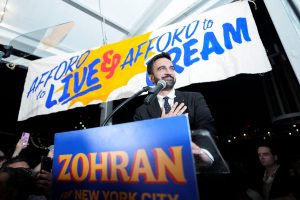
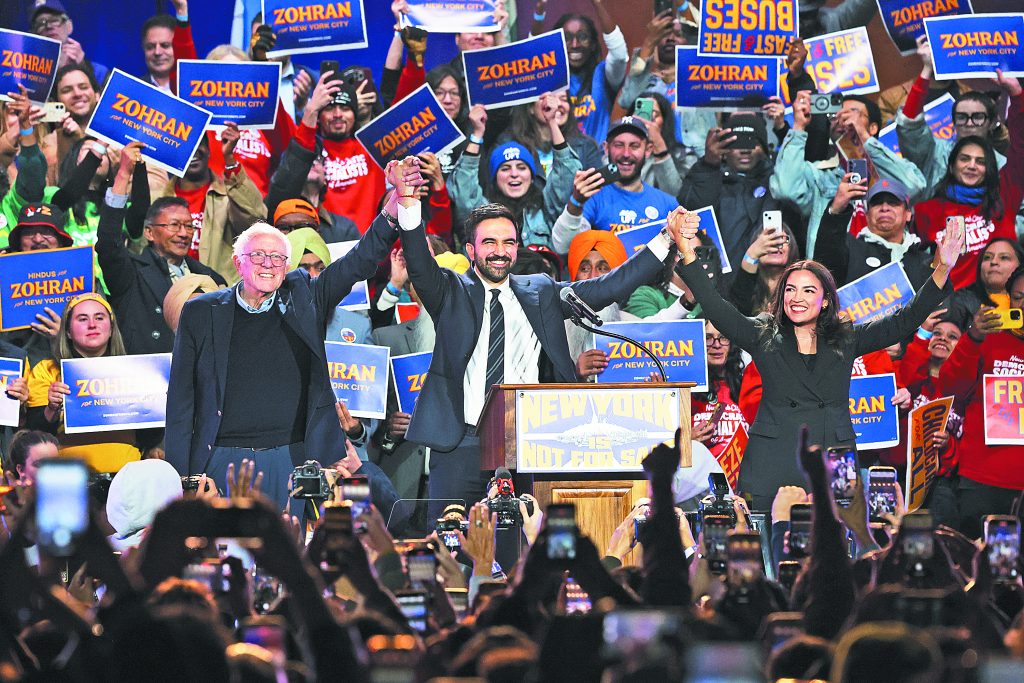
 In New York’s mayoral race, Zohran Mamdani’s candidacy has ignited debate across the city’s immigrant communities, and the Greek-American community is no exception. Like many New Yorkers, they are divided between those who welcome his progressive vision and those who fear the economic turbulence it might bring.
Mamdani, the 34-year-old state assemblyman from Astoria and self-described democratic socialist, has built his campaign around the theme of affordability: rent freezes, higher taxes on the wealthy, free childcare, free buses and expanded public services. His message has struck a chord with younger Greek Americans who see him as a champion for working families squeezed by rising costs and stagnant wages.
Dr. Hara Vamvouri told Ethnikos Kirikas (The National Herald) that Mamdani’s appeal lies in his integrity and clarity of purpose. “He’s not corrupt and he inspires hope,” she said, capturing the mood among many younger voters seeking new faces and fresh solutions to old problems. Across interviews published by the 107-year-old Greek diaspora newspaper, a common refrain emerged: Mamdani’s attention to the everyday struggles of New Yorkers, namely childcare, rent, wages, felt unusually concrete in a city weary of political abstractions.
Biology professor Dr. Theodoros Karnavas called Mamdani’s rise “a political earthquake,” telling Ethnikos Kirikas that the candidate has tapped into the same anti-establishment frustration that once propelled Donald Trump to the presidency—but from the opposite ideological direction. His campaign, Karnavas said, “has made affordability the new political fault line in New York.”
For others, though, Mamdani’s ascent feels like déjà vu. Older Greek Americans and many in the business community hear echoes of another young, charismatic politician who promised sweeping change: Greece’s former prime minister Alexis Tsipras. As several community voices told Ethnikos Kirikas, Mamdani’s pledges—free public transport, rent freezes, and ambitious social programs funded by taxing the wealthy—sound to them like “far-left, unrealistic, and unfunded promises toward everyone and everything.” They fear, as one interviewee put it, that “a hard landing” could follow if idealism collides with fiscal reality.
The comparison to Tsipras is more than rhetorical. Both men rose swiftly on the strength of idealism and personal magnetism, winning over disenchanted voters with the promise of a fairer system. And both faced the same test: whether passion and conviction can survive the realities of governance. For many older Greek Americans who watched Tsipras’s trajectory—from exuberant reformer to embattled pragmatist—the parallel is sobering.
Former National Herald publisher Antonis H. Diamataris offered a similarly cautious assessment of both frontrunners in a recent editorial, describing the election as “a choice between Scylla and Charybdis.” Cuomo, he wrote, is “experienced but ethically compromised,” while Mamdani “has no administrative experience, yet captured the message of the times and inspired the young with radical, if largely impractical, promises.”
Still, there is broad recognition that Mamdani’s rise marks a shift in New York’s political conversation. His success suggests that even in long-established immigrant enclaves like the Greek American community, which was once defined by small-business conservatism and political moderation, there is a growing openness to more progressive ideas that tackle the every-day problems that seem to plague New York.
The debate within the community mirrors the city’s own: how to balance fairness with feasibility, and ambition with realism.