 Μake us preferred on Google
 The Kurdistan Workers’ Party (PKK) announced on Sunday that it has begun withdrawing all of its militants from Turkey to northern Iraq as part of a disarmament process coordinated with the Turkish government. The group urged Ankara to move forward with legal steps that would allow its members to transition into democratic politics.
The decision follows a May declaration by the PKK to disarm and disband, in response to a call from its imprisoned leader, Abdullah Öcalan, to end the armed struggle that began in 1984. The conflict between the PKK and the Turkish state has claimed an estimated 40,000 to 50,000 lives over four decades.
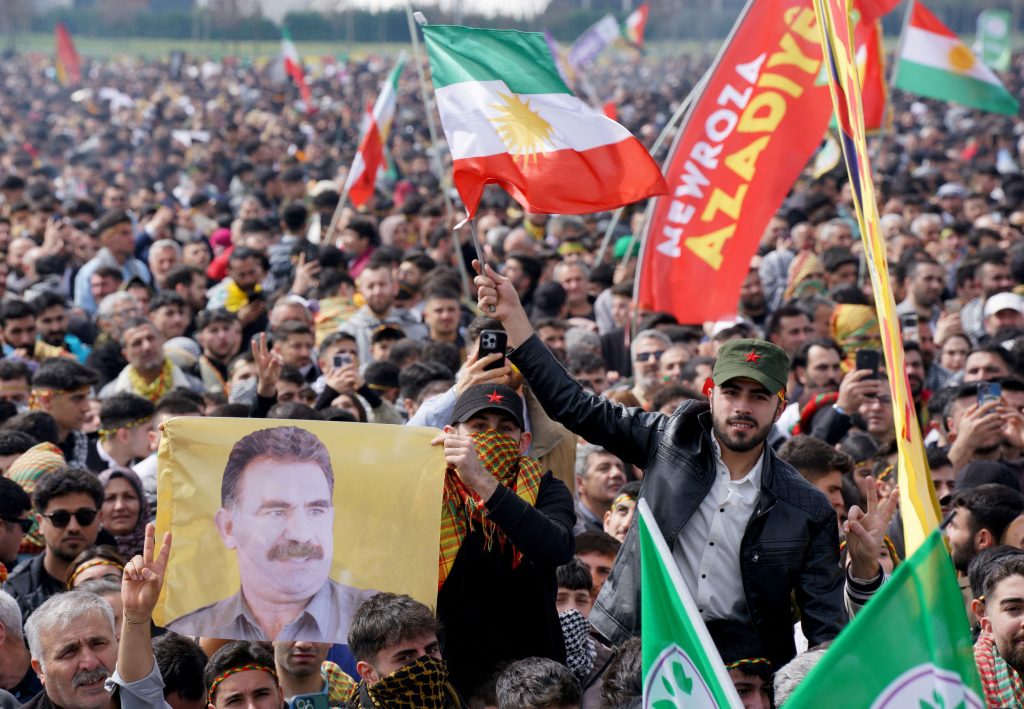
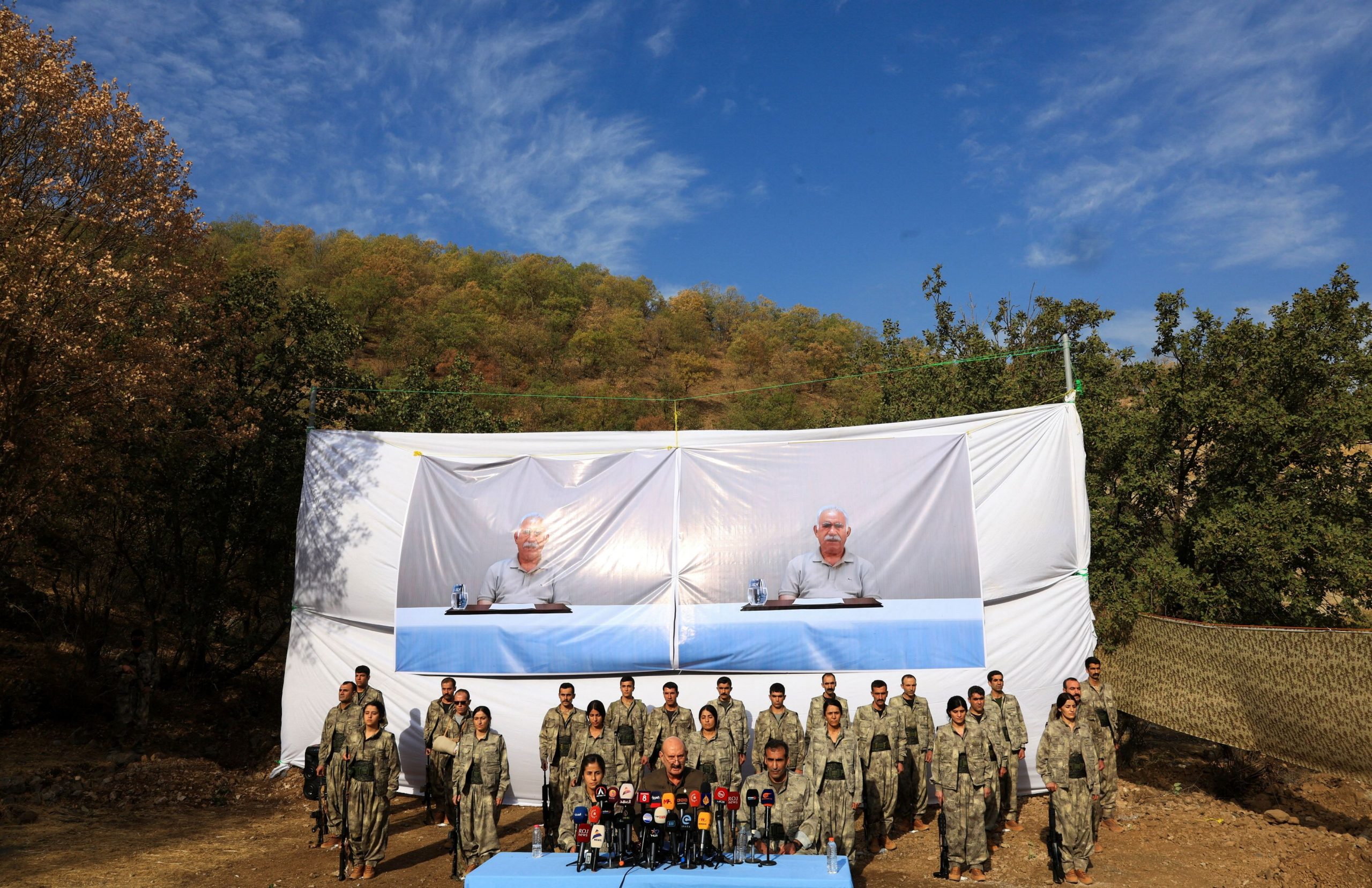
During a ceremony in the Qandil Mountains — the PKK’s stronghold in northern Iraq — a senior official read a statement announcing the withdrawal. Around two dozen fighters stood in formation before a large image of Öcalan as the group described the move as laying the foundation for a “free, democratic and brotherly life.”
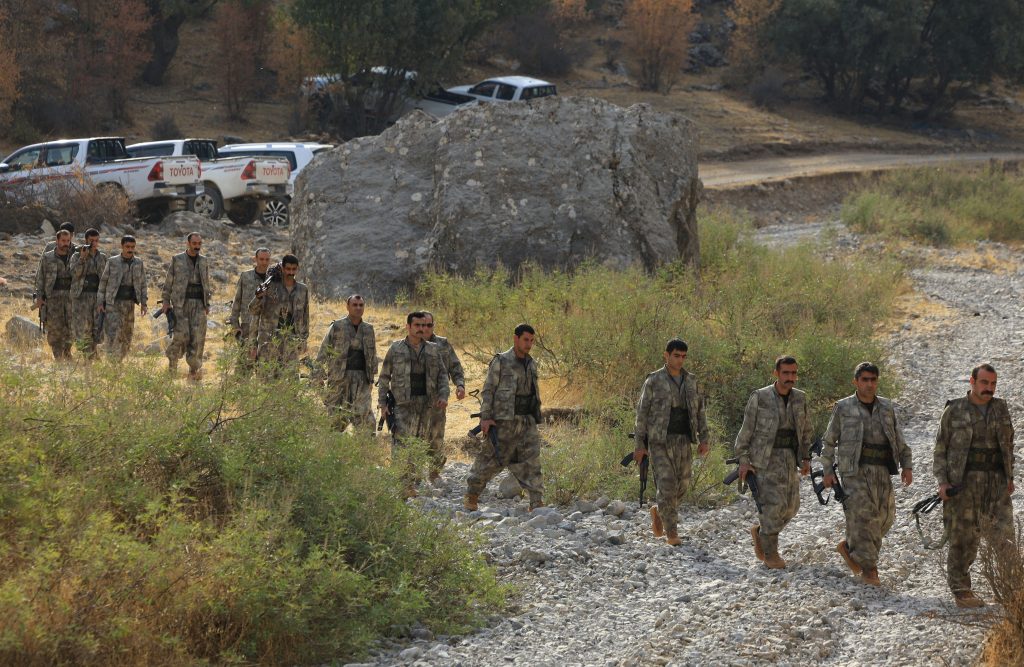
Fighters with the Kurdistan Workers’ Party (PKK) walk during a disarmament ceremony marking a significant step toward ending the decades-long conflict between Turkey and the outlawed group in the Qandil mountains, Iraq October 26, 2025. REUTERS/Thaier Al-Sudani
PKK spokesperson Zagros Hiwa told Reuters that the withdrawal was part of “executing leader Ocalan’s peace project,” calling on the Turkish government to create the political and legal conditions for its implementation.
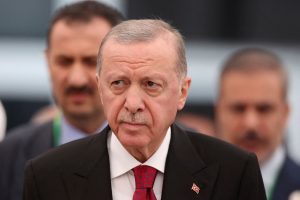
Ankara welcomed the announcement. Omer Çelik, spokesperson for President Recep Tayyip Erdogan’s ruling AK Party, said the move was a “concrete result” of the government’s goal for a “terror-free Turkey.” He added that it would help shape the framework being developed by a parliamentary commission overseeing the legal aspects of the peace process.
The Turkish parliament has formed a 48-member cross-party committee to draft the necessary legal groundwork for integrating former PKK members into civilian and political life. The panel is also expected to discuss the future of Öcalan, who has been imprisoned on İmralı Island since 1999.
In July, the PKK held a symbolic ceremony in northern Iraq to destroy a batch of weapons — a gesture described by Ankara as “an irreversible turning point.” The group said it now expects Turkey to adopt “laws of freedom and democratic integration” to ensure the peaceful participation of its members in politics.
Over the years, the PKK’s goals have shifted from seeking an independent Kurdish state to pursuing broader cultural rights and limited autonomy within Turkey. While Ankara maintains it protects Kurdish rights, it continues to reject any separatist agenda.
The PKK’s disarmament could have regional implications, particularly in Syria, where U.S.-backed Kurdish forces are viewed by Turkey as affiliates of the PKK. For now, however, both sides are focusing on consolidating the peace process — one that could finally draw a line under one of the region’s longest-running conflicts.