
 Μake us preferred on Google
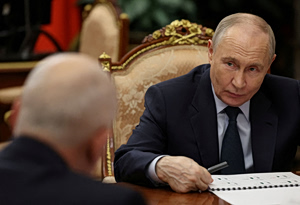
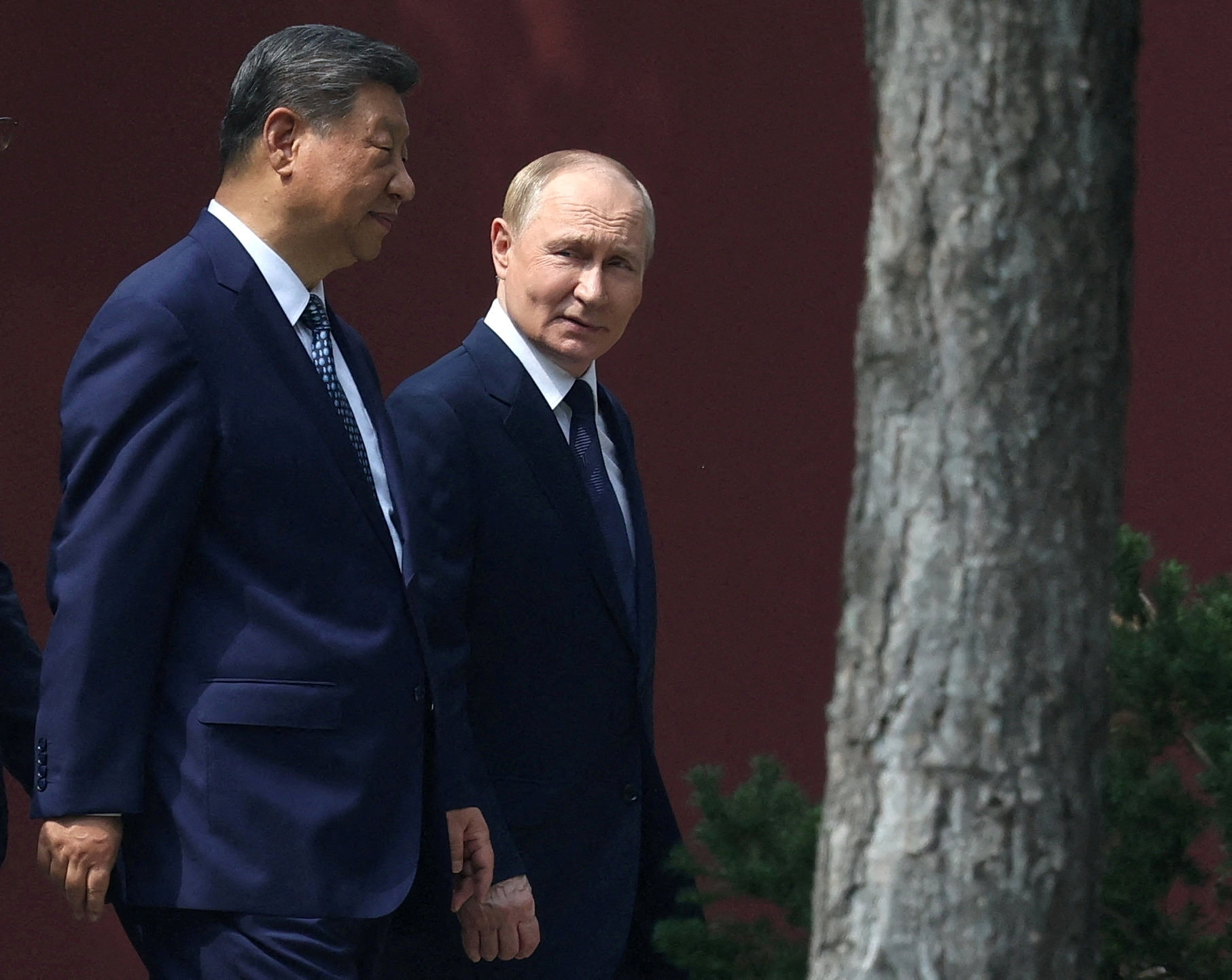
 Chinese President Xi Jinping is hosting Russian President Vladimir Putin in Beijing this week, underscoring the strength of the countries’ long-standing partnership as China seeks to present itself as a source of stability amid global geopolitical and economic uncertainty.
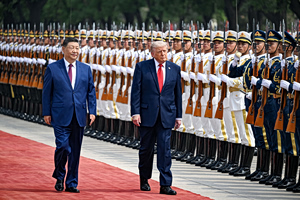
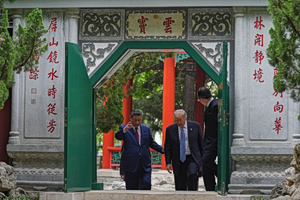
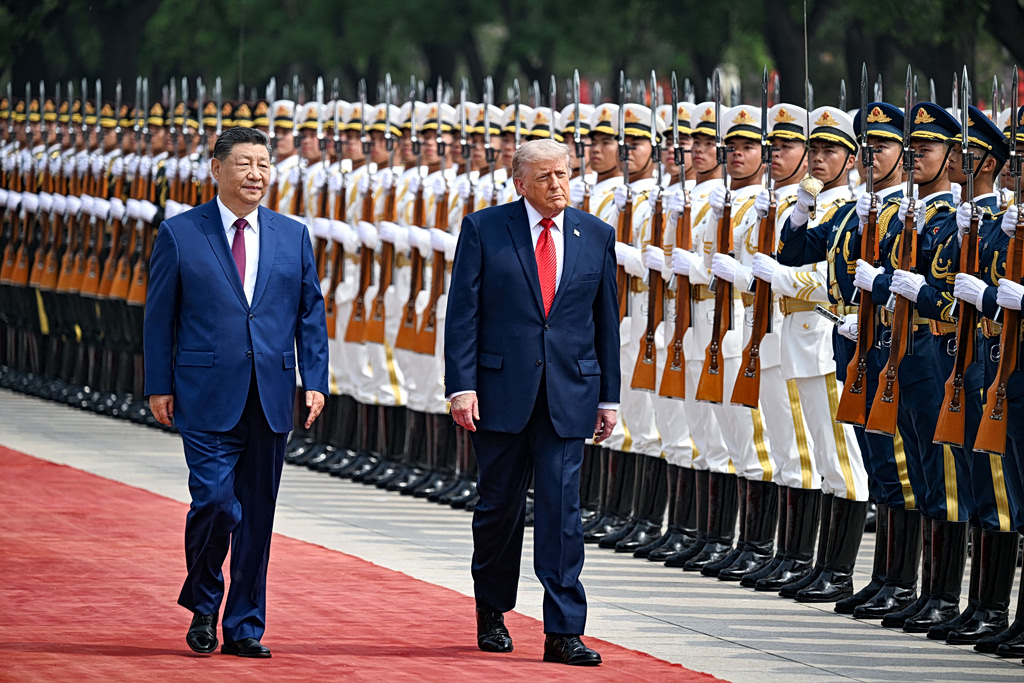
Putin’s two-day visit, his 25th trip to China, comes less than a week after U.S. President Donald Trump’s visit to the country. Beijing and Moscow have portrayed the meeting as further proof of their “all-weather” relationship, even as Western governments continue to urge China to pressure Russia over the war in Ukraine.
China has repeatedly described itself as a neutral party and potential mediator in the conflict. At the same time, Putin has emphasized that Moscow and Beijing support each other’s “core interests,” while pursuing closer economic and energy cooperation in the face of Western sanctions.
Beijing Seeks to Project Predictability
The summit forms part of China’s broader effort to strengthen its international image as a predictable and dependable power during a period marked by trade tensions, armed conflicts and an ongoing energy crisis.
Chinese officials have framed recent diplomatic engagements as evidence of a consistent foreign policy approach. By hosting major world leaders in quick succession, Beijing is attempting to reinforce its role as a key actor in global affairs while contrasting its stability with continuing international crises.
Following Trump’s visit, the White House said the two sides had reached consensus on issues aimed at improving stability for businesses and consumers worldwide. Xi, meanwhile, described Sino-U.S. relations as one of “strategic stability.”
Analysts say the Xi-Putin meeting is intended to demonstrate that the China-Russia relationship remains a central pillar of both countries’ foreign policies despite external pressure.
Ukraine Remains a Key Issue
While Western governments have called on Beijing to use its influence with Moscow to help end the war in Ukraine, observers note that China is unlikely to significantly alter its position.
China maintains that it has not supplied lethal weapons to either side in the conflict and says exports of dual-use goods are strictly controlled. Beijing has continued to advocate dialogue while maintaining close political and economic ties with Russia.
According to China’s Foreign Ministry, the two leaders are expected to discuss cooperation across all areas of bilateral relations as well as international and regional issues of mutual concern.
Energy Cooperation Back in Focus
Energy is expected to feature prominently during the talks, particularly the proposed Power of Siberia 2 gas pipeline, a major project intended to increase Russian gas exports to China.
Russia and China agreed in principle to build the pipeline during Putin’s previous visit in September 2025, although negotiations over pricing remain unresolved.
Recent energy supply disruptions linked to conflict in Iran could strengthen Russia’s argument for expanding long-term gas deliveries to China. However, Beijing is expected to continue pursuing a diversified energy strategy by exploring supply agreements with multiple partners, including both Russia and Turkmenistan.
Industry experts suggest China could agree to broader terms covering supply volumes and delivery flexibility while leaving pricing discussions for future negotiations.
Expanding Oil and Gas Ties
China remains the largest buyer of Russian oil, purchasing both pipeline and seaborne supplies. Despite Western sanctions on Russian exports, Chinese refiners continue to import Russian crude, with many transactions settled in Chinese yuan.
Last year, Russia also agreed to increase oil deliveries to China via Kazakhstan by an additional 2.5 million metric tons annually.
Ahead of his visit, Putin expressed optimism about advancing cooperation in the oil and gas sector, saying the two countries had reached a high level of understanding on expanding energy ties and that he would welcome progress on outstanding agreements during the trip.