 Μake us preferred on Google
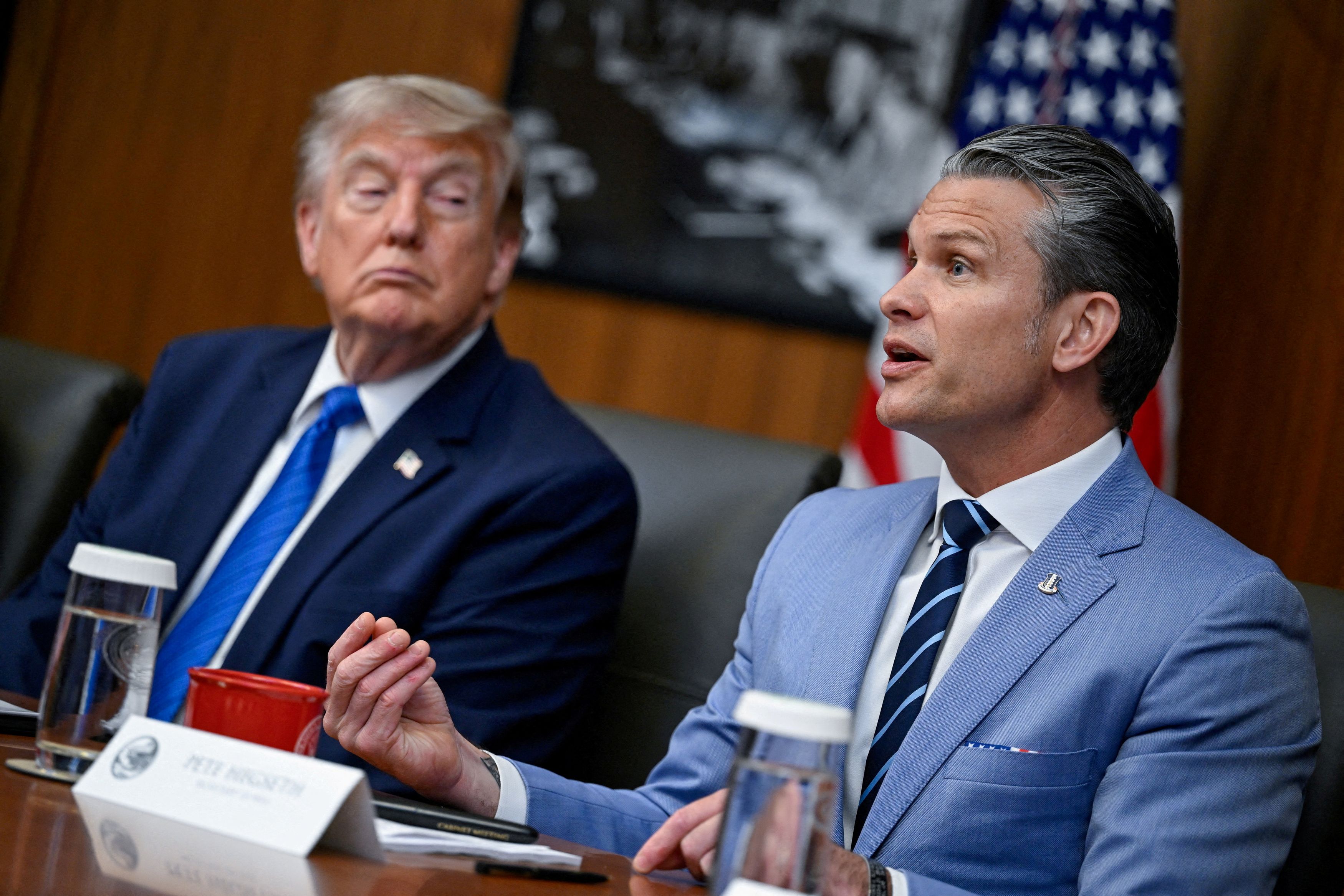
 WASHINGTON—Top White House advisers have raised privately with President Trump the prospect that the Iran war could drag on through the remainder of his term, U.S. officials said, a message at odds with Trump’s public assurances of a swift victory.
In the Oval Office and Situation Room, Vice President JD Vance , Secretary of State Marco Rubio and others have discussed with the president that Tehran could continue to resist U.S. pressure under the blockade and other military tactics, potentially extending the conflict past Inauguration Day in January 2029, the officials said.
The closed-door discussions come as Trump told reporters Wednesday that the war will end “immediately” after the midterm elections in November “because they can’t hold out any longer.”
A yearslong conflict would strain military resources and risk long-term disruptions to global oil markets in the midst of a U.S. presidential election in 2028. Vance and Rubio are both considered presidential election hopefuls, although neither has said whether they will run.
Trump, who returned to power vowing not to start “forever wars” in the Middle East, has said he isn’t worried about political headwinds facing his party despite the war impacting the price of crude oil. Gas prices averaged $4.22 a gallon on Wednesday, according to AAA, up from $4.01 a month ago and $3.19 a year ago.
Trump often speaks privately with aides of his desire for a quick resolution to the war, which is in its seventh month and has killed 18 servicemembers, the officials said. But Trump also supports a long-term economic siege , using a naval blockade and sanctions in a bid to force the regime to dismantle its nuclear program. Treasury Secretary Scott Bessent has portrayed the new strategy—dubbed “Operation Economic Outcast”—as an alternative to major combat operations.
“President Trump has destroyed Iran’s military capabilities and is crippling what’s left of its abysmal economy with the most powerful naval blockade in world history and crushing sanctions,” White House spokeswoman Olivia Wales said. “Only President Trump knows what he will do and when.”
The private acknowledgment by top aides that the military conflict could drag on for years cuts against Trump’s assurances that the U.S. has already defeated Iran’s forces and that the regime will soon surrender. Last week, Vance told reporters that he wouldn’t call the current military conflict a “war,” despite the ongoing blockade and intermittent attacks. Vance added that he wasn’t sure when hostilities would end, refusing to provide an “artificial timeline” for Iran to exploit.
“It would be irresponsible for us to write out our strategy and our timeline for an Iranian nation that simply cannot honor its commitments and cannot stop shooting at commercial ships,” Vance told reporters.
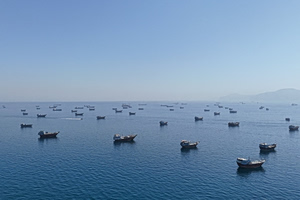
Iran has lashed out at the U.S.-led pressure campaign with missile strikes in protest, suggesting periodic military skirmishes in the Strait of Hormuz will be difficult to avoid. The U.S. on Tuesday destroyed five Iranian tankers after Tehran targeted several U.S. military ships. All of the attacks have failed, the U.S. military said, but officials described some of them as close calls.
Defense Secretary Pete Hegseth has already extended some Middle East troop deployments into 2027, The Wall Street Journal has reported , providing Trump with military options as the conflict drags on. A Defense Department official declined to comment on future operations.
The Pentagon has planned to extend the deployment of some air-defense units in the Middle East with no firm end date, according to people familiar with the matter. The units, part of some 50,000 troops deployed to the region, are spread across the Gulf to shoot down missiles and drones.
A third Marine Expeditionary Unit is preparing to deploy to the region this fall, a U.S. official said, signaling a continuing rotation of the amphibious units that operate from a group of warships . The 31st Marine Expeditionary Unit arrived in the region in March and was replaced by the 11th Marine Expeditionary Unit in June.
The Pentagon also is rotating Air Force fighter squadrons in the region with Air National Guard F-16s replacing warplanes that are returning to the U.S. base at Aviano, Italy.
Analysts say it makes sense that the Trump administration might be settling in for a lengthy fight.
“The U.S. naval blockade is unlikely to produce a decisive outcome in the near or even medium term, so the only realistic use of this tool would have to be predicated on plans for a long-term siege,” said Suzanne Maloney , an Iran expert and vice president for foreign policy at the Brookings Institution think tank in Washington.
“Even then its prospects for success are dubious, mainly because of the unintended consequences,” she added, such as attacks on energy and economic targets in the Gulf states.
Among the consequences of a yearslong blockade and military presence in the Middle East is the diversion of resources from Europe and Asia. U.S. officials are also increasingly concerned about the regime’s ability to adapt its attacks and reconstitute its supply of missiles, drones, radar and other military equipment.
“Washington can keep grinding Iran down at a manageable cost, while Tehran can shift much of the pain onto its population and still protect the institutions essential to regime survival,” said Ali Vaez , an Iran expert at the International Crisis Group consulting firm. “Everyone pays, but neither leadership is yet paying enough to accept the other side’s terms.”
Write to Alexander Ward at alex.ward@wsj.com , Shelby Holliday at shelby.holliday@wsj.com and Michael R. Gordon at michael.gordon@wsj.com