
 Μake us preferred on Google
 Ukrainian President Volodymyr Zelensky said Tuesday that he had asked President Trump for a “winter package” of new military equipment and believes the U.S. will pursue a deal to halt attacks on energy infrastructure.
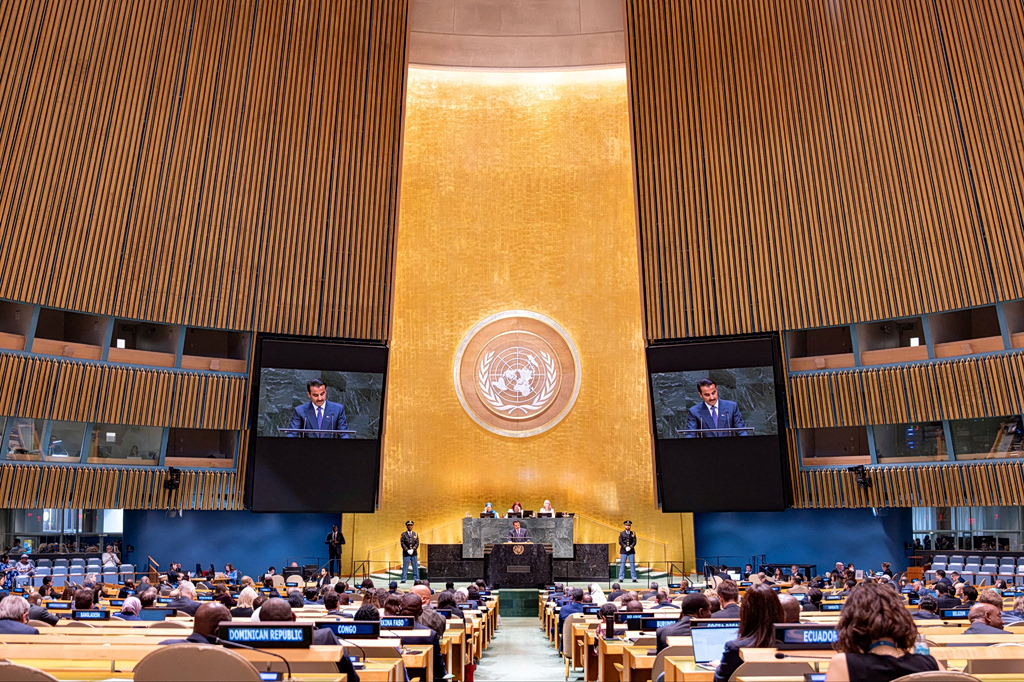
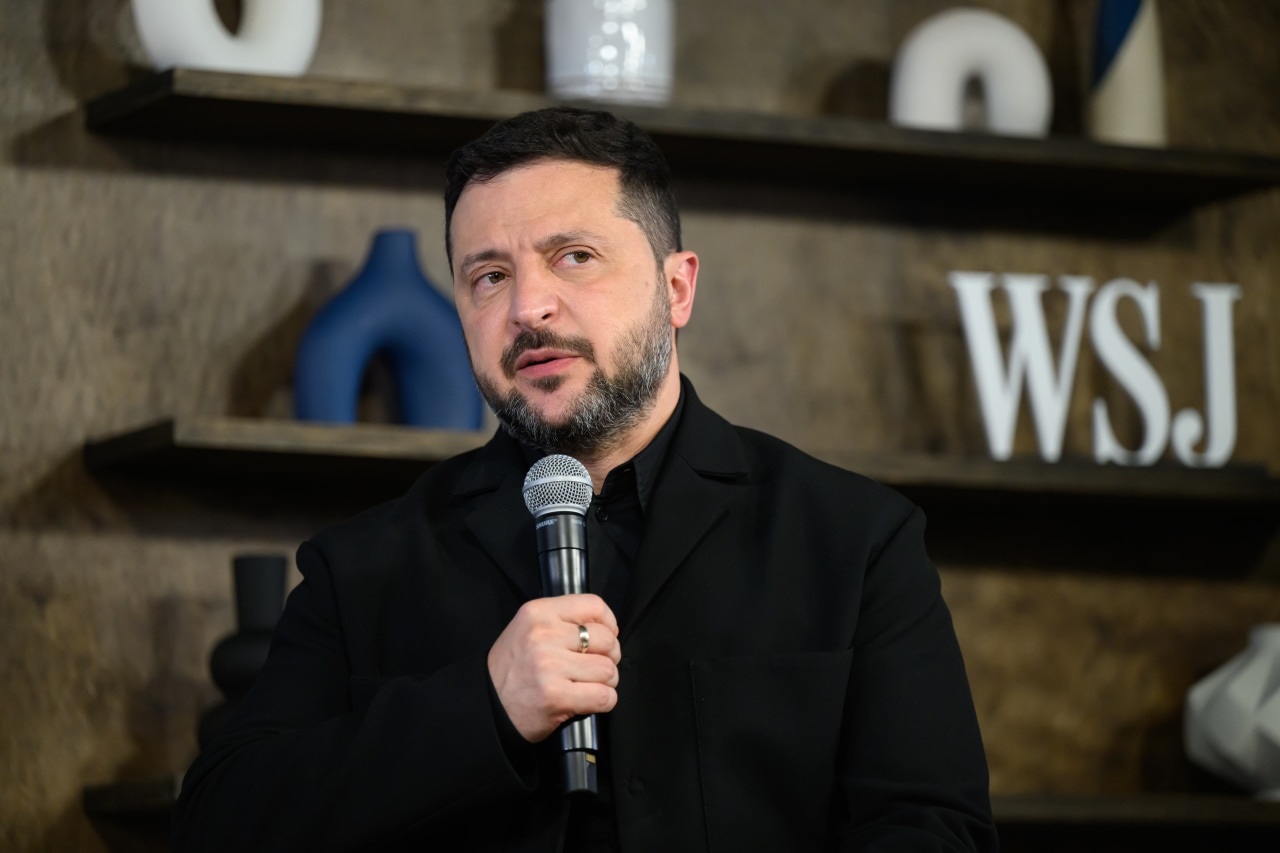
In an interview with The Wall Street Journal on the sidelines of the United Nations General Assembly, Zelensky said that in a meeting with President Trump earlier in the day, he had requested new weapons ahead of winter, including Patriot antimissile systems and other technologies.
Zelensky said he is aware that energy remains a Trump priority. “I think he will try to negotiate some energy ceasefire,” Zelensky said.
But he added that Russian President Vladimir Putin is unlikely to respond without new pressure, such as stepped-up sanctions. He said that with elections behind him, the Russian leader is feeling little pressure to adjust his campaign, even with limited advances on the battlefield.
Zelensky, who is scheduled on Wednesday to make his fourth in-person address to the General Assembly since Russia’s 2022 invasion, singled out India, Turkey and especially China for supporting Moscow in the war.
Ukraine’s drone strikes against refineries deep inside Russia have added to turmoil in global energy markets, disrupting the flow of oil, gas and petroleum products already strained by conflicts in the Middle East. Zelensky said Ukrainian forces have destroyed 45% of Russia’s refining capacity.
As prices of diesel and other fuels have risen, President Trump has pressured Zelensky to stop hitting Russian refineries, a new source of tension as the Ukrainian leader blames Russia for targeting civilian energy infrastructure in Ukraine.
The Ukrainian leader said Trump didn’t discuss energy prices in their New York talks but that it is no secret the administration has put pressure on him.
In the interview, Zelensky said Putin only responds to force and that attacks on Ukrainian energy infrastructure require a response. “Our lives are more important than the price of energy,” Zelensky said, attributing much of the rise in cost to chokeholds around the Strait of Hormuz.
Russia was one of the world’s largest producers of diesel—accounting for 11% of total exports in 2025—before Ukraine’s attacks this year sharply cut production. In response, Moscow has forbidden most diesel exports, to reserve fuel for domestic use, and markets are nervous that other producers, including the U.S. and China, could impose their own controls .
High energy prices—particularly for diesel—have been a central theme at the U.N. this week. French President Emmanuel Macron has called for a Ukraine-Russia moratorium on strikes against oil infrastructure, as well as for an opening to allow grain shipments to move unimpeded through the Black Sea.
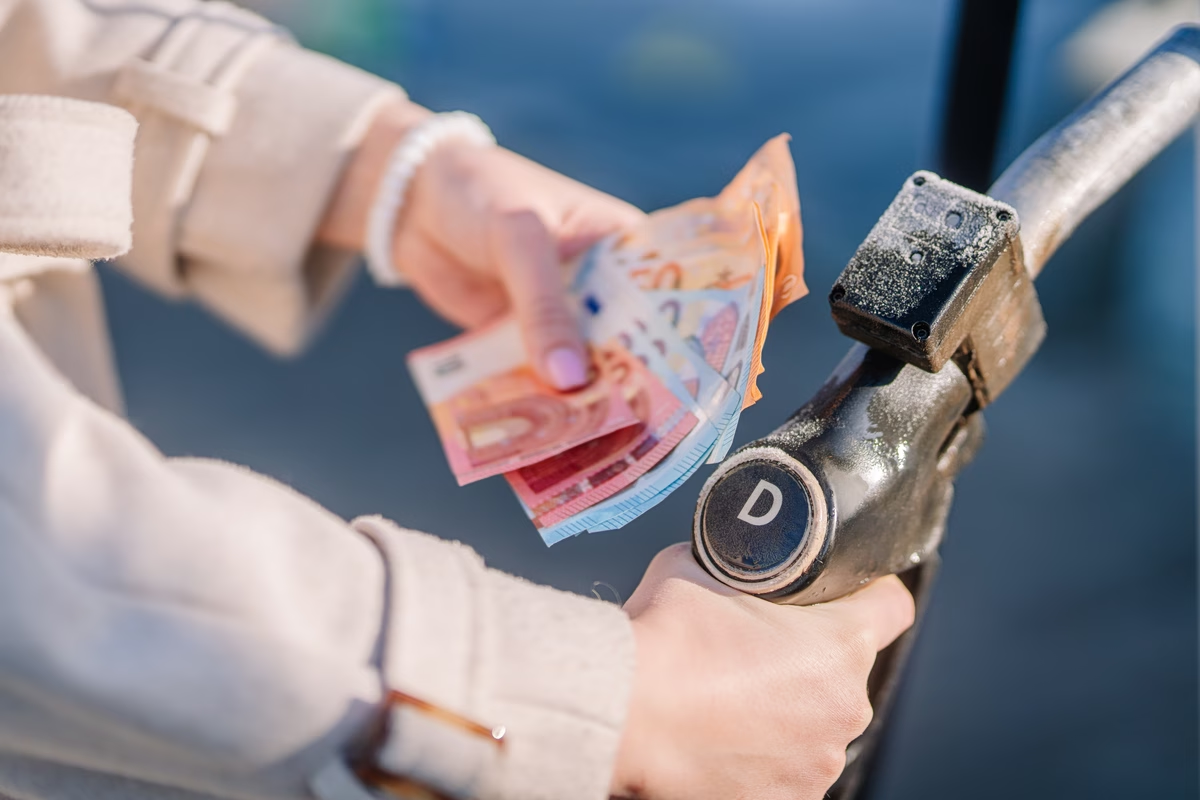
In the U.S., diesel prices have vaulted to new records. The national average for a gallon of diesel reached $6.53 on Tuesday, up almost a dollar compared with levels a month ago, according to the Oil Price Information Service, which like the Journal is published by Dow Jones.
The Ukraine leader said Russia has gained very little territory and has paid for it with tremendous losses of personnel.
“The situation on the battlefield is not successful for Putin, so he’s not winning, it’s true,” Zelensky said.
But he said Putin needs a victory and expressed concern he could strike a member of the North Atlantic Treaty Organization to show that the alliance lacks power.
“He has to sell something to his society,” Zelensky said, referring to such a possibility and hybrid-warfare tactics as “bloody marketing.”
He said peace talks wouldn’t be simple. “One of us is not ready,” he said, referring to Russia.
The Ukrainian leader pointedly accused China of providing unspecified technology to Russia, suggesting it is sharing Starlink-like communications know-how. He suggested Beijing is involved to test abilities in Ukraine for its own potential use one day. Likewise, he said North Korea has deployed troops to fight on Russia’s side to gain experience.
“Where will they use it?” he asked.
He said the Ukraine war has demonstrated how interlinked nations have become and illustrated that technology needs to be shared between allies. “There is no distance in this war at all,” Zelensky said.
In a lighter moment, Zelensky confirmed that he had recently met with Central Intelligence Agency Director John Ratcliffe. “We will not share that we had a meeting,” Zelensky said. “But he’s looking good.”
Nearly five years since the invasion, Zelensky said the stress of his wartime position has taken a toll.
“You have to make hundreds of deals per day. Not comfortable. Very sensitive,” he said, adding that he had made “so many mistakes.”
Write to James T. Areddy at James.Areddy@wsj.com