 Μake us preferred on Google
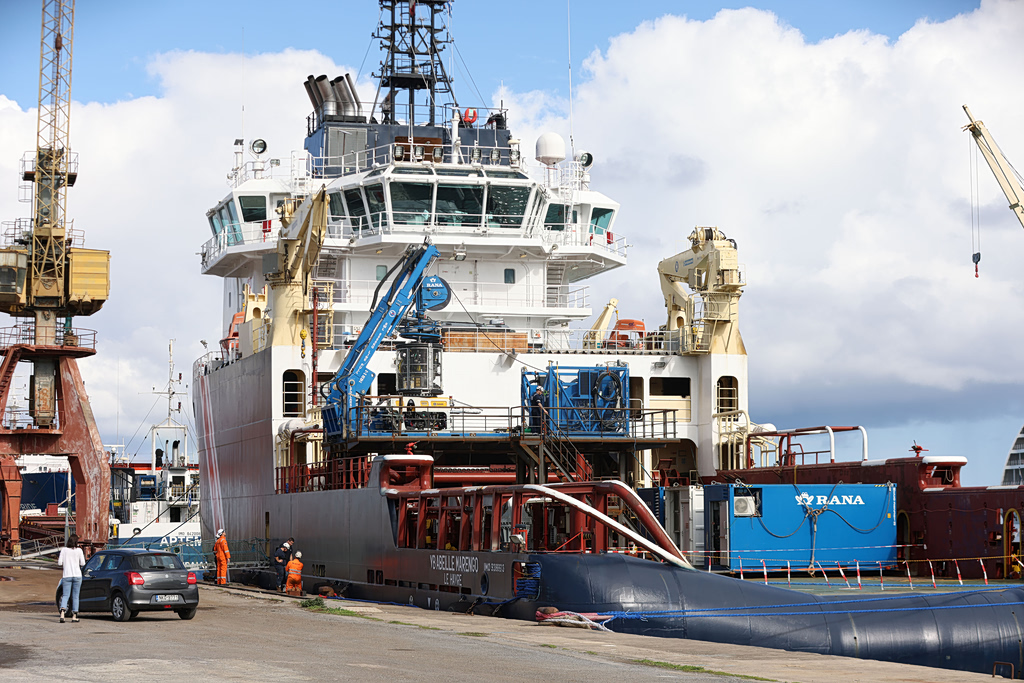
A broad, spontaneous smile spread across her face last Friday as the second of the four Defense and Intervention Frigates (FDI) ordered by Greece was launched in Lorient and the Greek flag was raised on the ship’s mast.
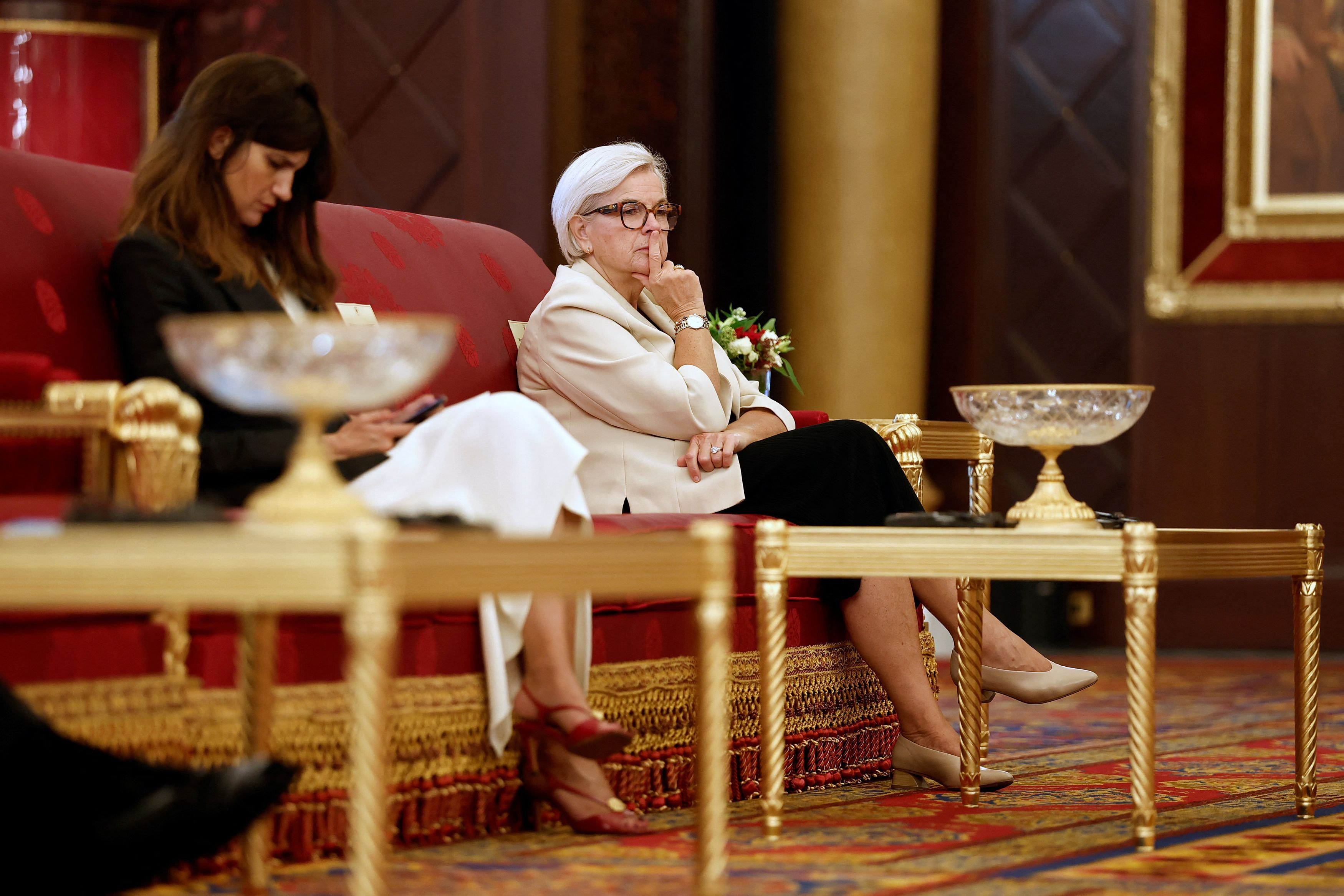
The smile said a great deal about Catherine Vautrin’s satisfaction. For the French Minister of the Armed Forces and Veterans, the ceremony goes far beyond an industrial and military event: it symbolizes the stability of a strategic partnership between Paris and Athens, at a time when the security balance in the Eastern Mediterranean is under more pressure than ever.
In an interview with Ta Nea, Catherine Vautrin discusses the importance of the Greek-French partnership, the prospects for cooperation between the two countries and the challenges Europe faces in a deeply changing geopolitical environment.
You attended the launch of the second Greek frigate, which is scheduled for delivery to Greece in early December, while the third is expected to follow in January. What stage is the construction of the fourth at?
While Greece decided in 2022 to acquire three frigates, a fourth was ordered in November 2025 to strengthen the Hellenic Navy. This is further proof of trust in the Greek-French relationship, as well as in our companies’ ability to meet deliveries at an intensive pace, meaning two frigates a year. The construction of the fourth frigate ordered by Greece is proceeding normally and at a satisfactory pace.
At a time when military superiority is decided simultaneously in the air, at sea and below the surface, against the backdrop of rapid technological developments, how is France adapting its military capabilities to the new strategic realities, and what can it specifically offer to the security of Greece and Europe in the Eastern Mediterranean?
France is actively involved in defending Greece’s security interests. As is evident today, France, through its defense industry and its services, remains fully mobilized to support Greece in acquiring technologically advanced defense capabilities. In addition, the Eastern Mediterranean is an area of strategic interest for the freedom of movement of our armed forces, which explains our consistent presence in the region.
Finally, the operational dimension of our strategic partnership covers all domains: we integrate air, sea surface, seabed, space and cyberspace into a single operational plan.
Within the framework of this agreement, what specific developments can we expect in terms of military planning, joint operations and the protection of common strategic interests? Can Paris and Athens take another step toward strengthening their operational cooperation in the Eastern Mediterranean?
Operational cooperation between Greece and France is already on track to be further strengthened. It is direct and effective: the Greek frigate Kimon was deployed alongside French military forces on March 1 and 2, 2026, contributing to the security of Cyprus.
It is tested: our armed forces regularly take part in joint exercises. For example, a few days ago, a French frigate took part, together with Greek, Cypriot and Italian ships, in a series of exercises as part of the EUNOMIA operation. Notably, while there were only about twenty joint activities in 2019, the number reached 140 in 2025.
It serves Europe’s stability: we deploy military assets as part of the European operations ASPIDES in the Red Sea and IRINI in the Mediterranean.
It is based on growing interoperability, as shown by the participation of a Greek frigate in the deployment of the French aircraft carrier strike group in the Mediterranean in April 2026.
Finally, it is multidimensional. France was the only partner country to deploy fighter jets in the INIOCHOS exercise last March, helping strengthen interoperability between our air forces.