 Μake us preferred on Google
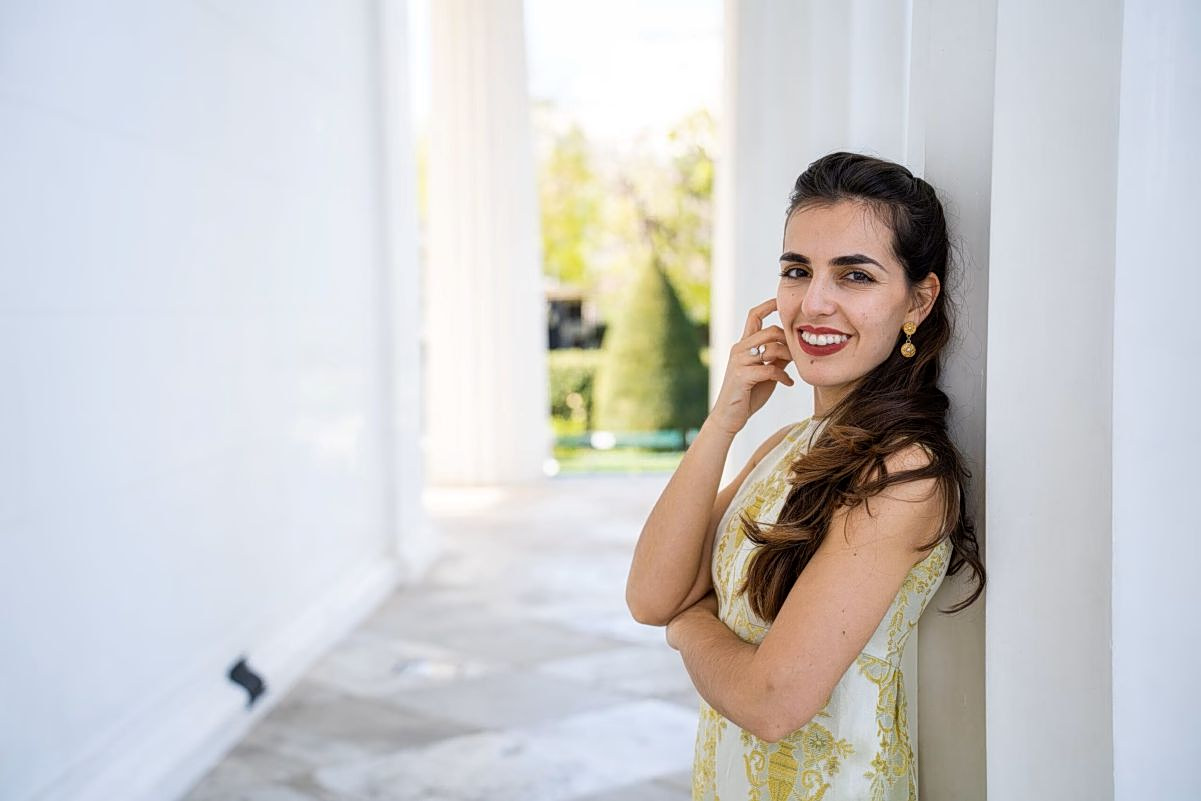
 Pianist Angelina Pavlou returns to Athens this week with a pair of appearances that, together, sketch the contours of her artistic identity. Within the span of a few days, she moves from the open, outward-facing world of Piano City Athens to the disciplined setting of the Philippos Nakas Concert Hall, balancing festival spontaneity with the rigor of chamber music tradition.
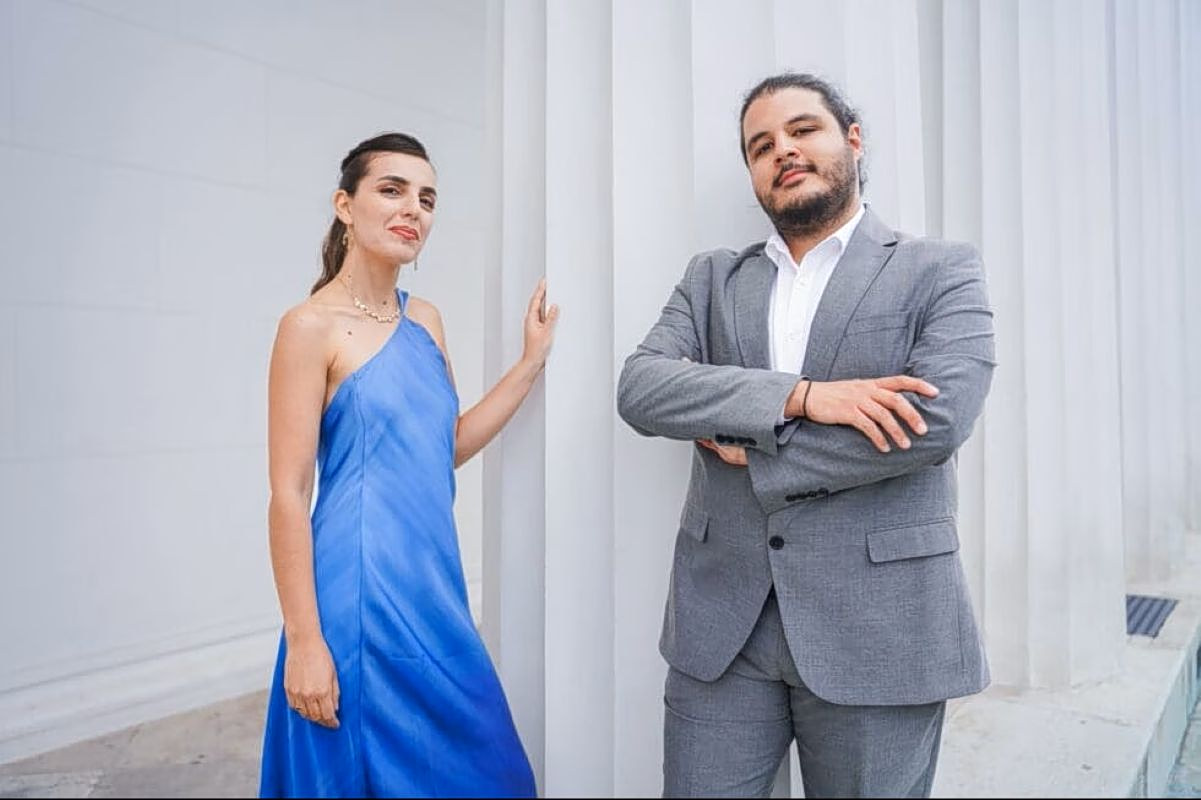
Her first stop, on Tuesday 12 May, carries a distinctly urban, extroverted energy. As part of the “Rising Stars” series at Piano City Athens, the auditorium of the Goethe-Institut on Omirou Street hosts her collaboration with pianist Christos Fountos in a program featuring Stravinsky, Rachmaninoff, Britten, and Shostakovich. The partnership is far from incidental: the two musicians have long performed as a piano duo, refining their synergy through four-hand repertoire across venues in the United Kingdom and elsewhere in Europe.
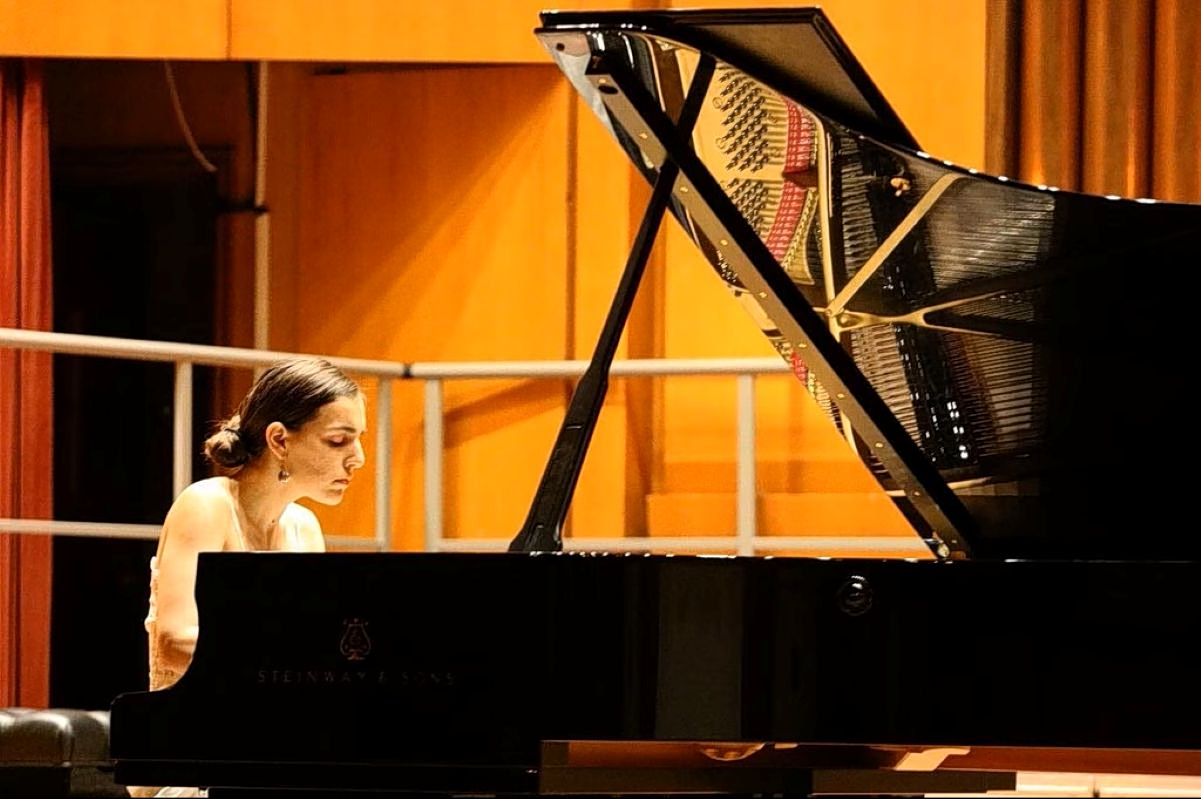
A few days later, on Saturday 16 May, the atmosphere shifts. Pavlou steps into the more traditional acoustic world of the Philippos Nakas Concert Hall for the 37th season of “Young Artists for Young Audiences,” a long-standing platform for emerging voices in Greece’s classical scene. There, she joins violinist Theodora Papanikolaou in a demanding program featuring Brahms and Szymanowski.
This transition mirrors Pavlou’s own trajectory. Born in Xanthi in 1995, she pursued advanced studies in the United Kingdom, training at Trinity Laban Conservatoire in London and later completing an Artist Diploma at the Royal Northern College of Music in Manchester as a Stavros Niarchos Foundation scholar.
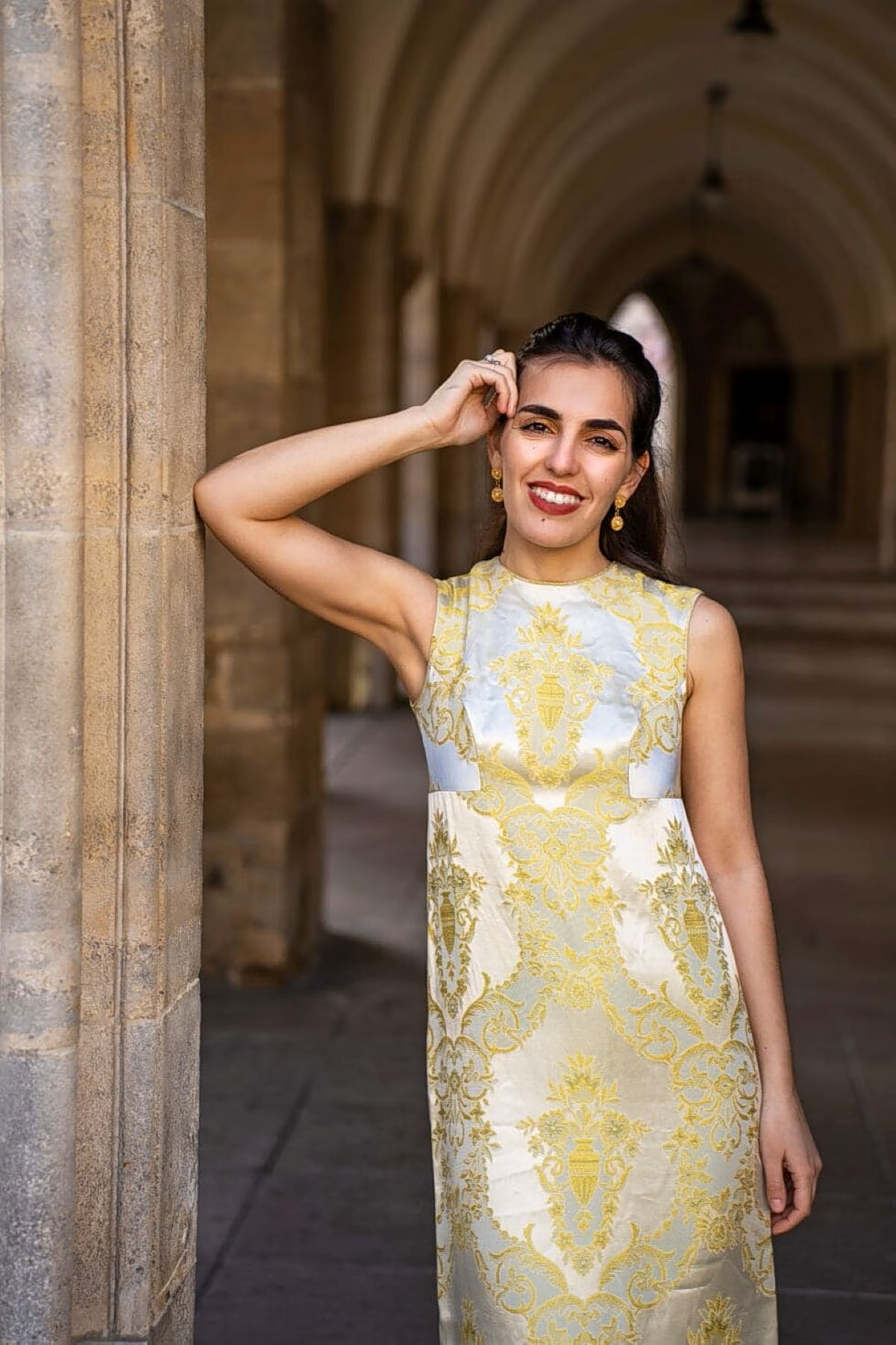
Today, her professional base lies in Central Europe, dividing her time between Switzerland—where she teaches at the Musik School of Viamala—and Vienna, with appearances in major venues including the Musikverein.
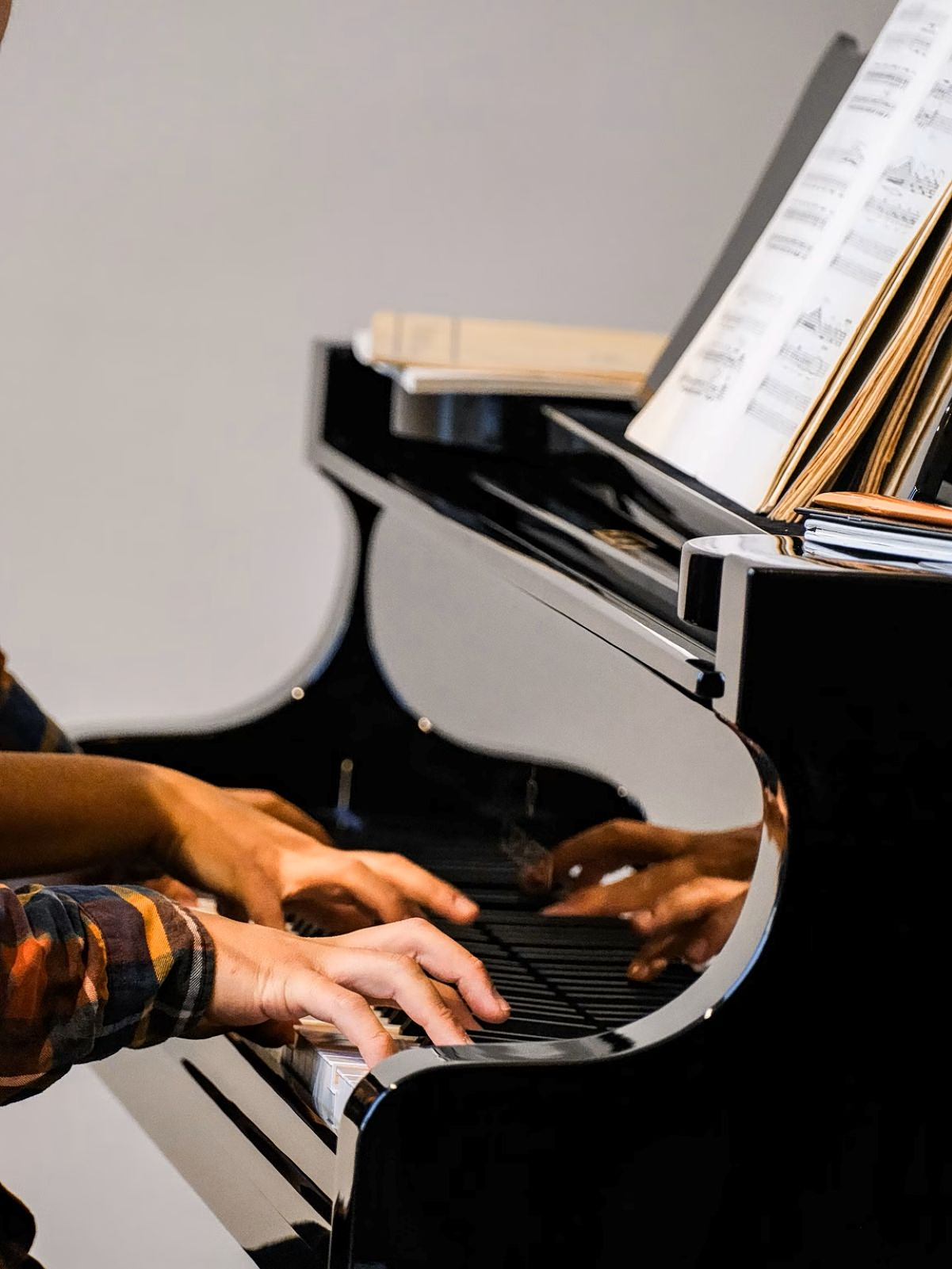
Equally defining is her commitment to contemporary creation. Pavlou maintains close collaborations with living composers such as Athanasia Kontou and Philipp-Manuel Gutmann, often premiering new works. Taken together, her Athens appearances—both with free admission—form a dual portrait of an artist moving fluidly between openness and precision, tradition and experimentation.