 Μake us preferred on Google
 On May 18, the Cannes Film Festival’s Cannes Classics section screened the newly restored print of Eva, Maria Plyta’s long-overlooked 1953 film — a work that for decades seemed almost lost within the margins of Greek cinema history. Alongside the film itself, another long-shadowed figure finally returns to the spotlight: Maria Plyta, the first female film director in Greece.
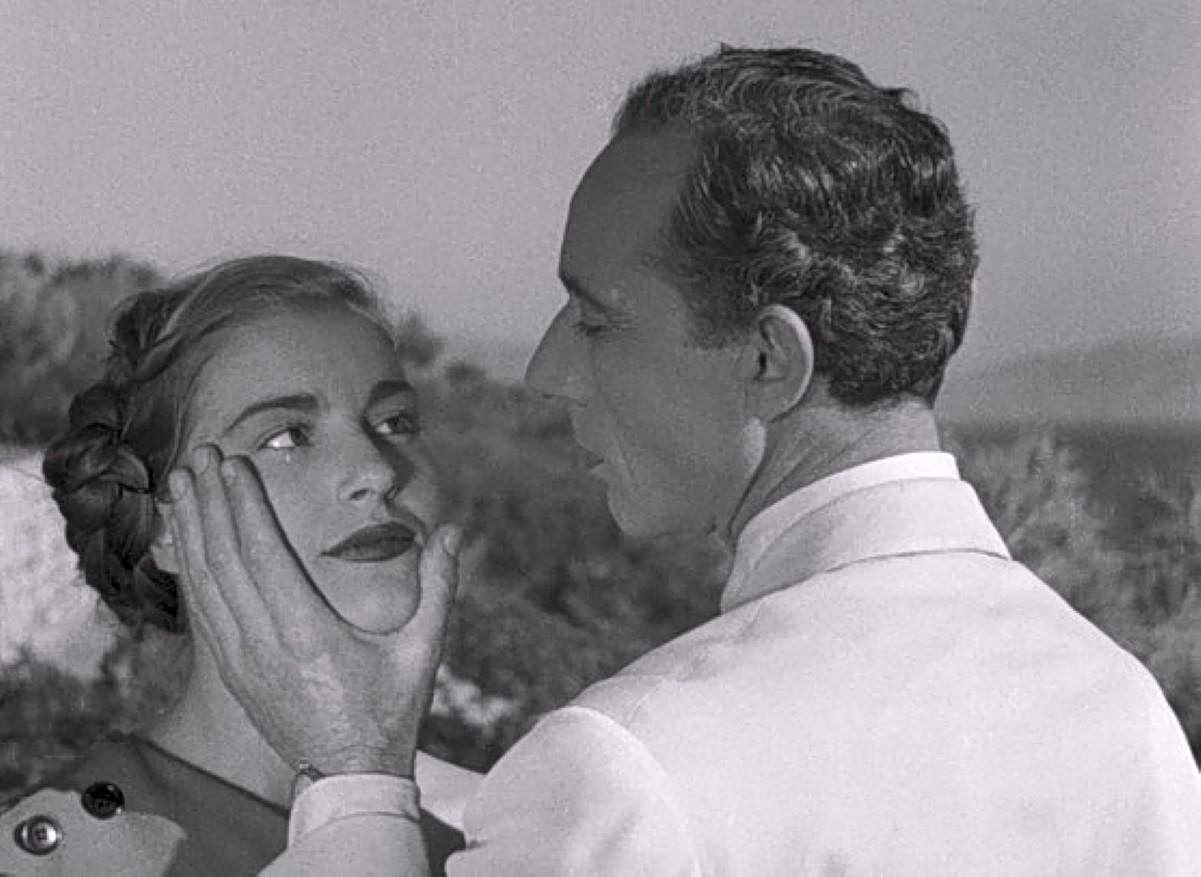
The moment carries the weight of historical recognition. This marks the first time a film directed by a Greek woman has been selected for Cannes Classics, the festival’s prestigious section dedicated to landmark restorations and films that reshape the understanding of cinema history.
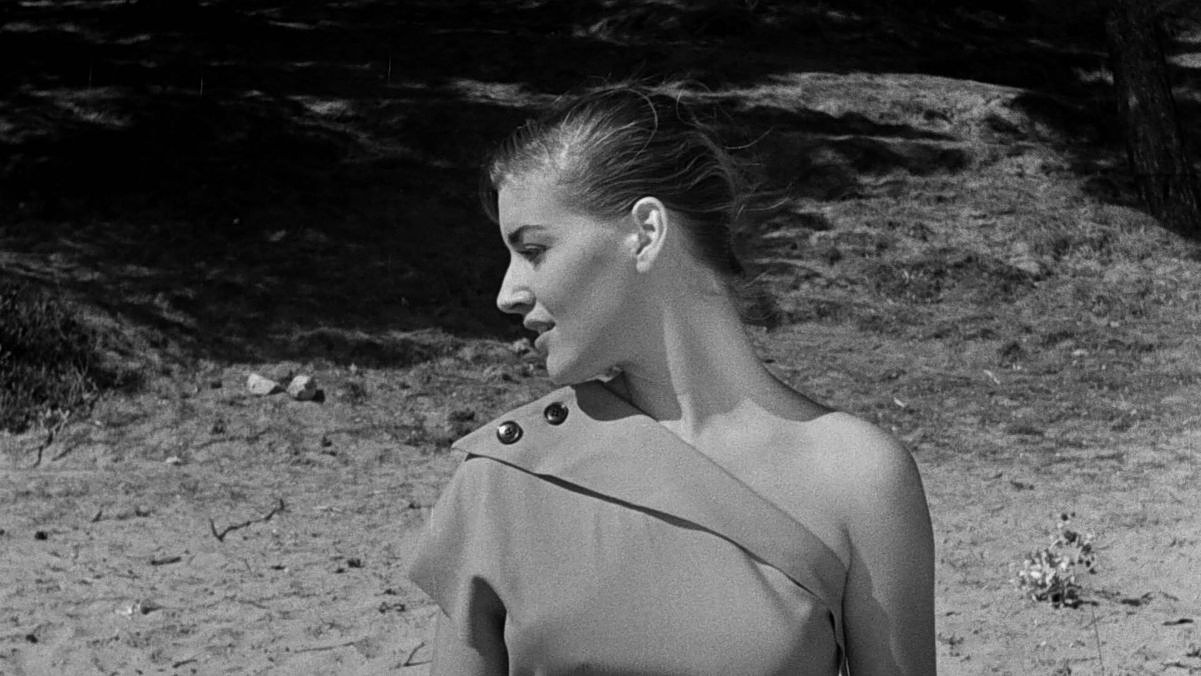
Today, Eva is regarded by many scholars as a film strikingly ahead of its time. Nina Sgouridou stars as Eva, a woman trapped in a deeply unsatisfying marriage and suffocated by the monotonous isolation of life on a remote island. The arrival of the young Antinoos, played by Alekos Alexandrakis, ignites a passionate extramarital affair that upends the fragile balance of her world and pushes her into direct confrontation with the rigid social boundaries of her era.
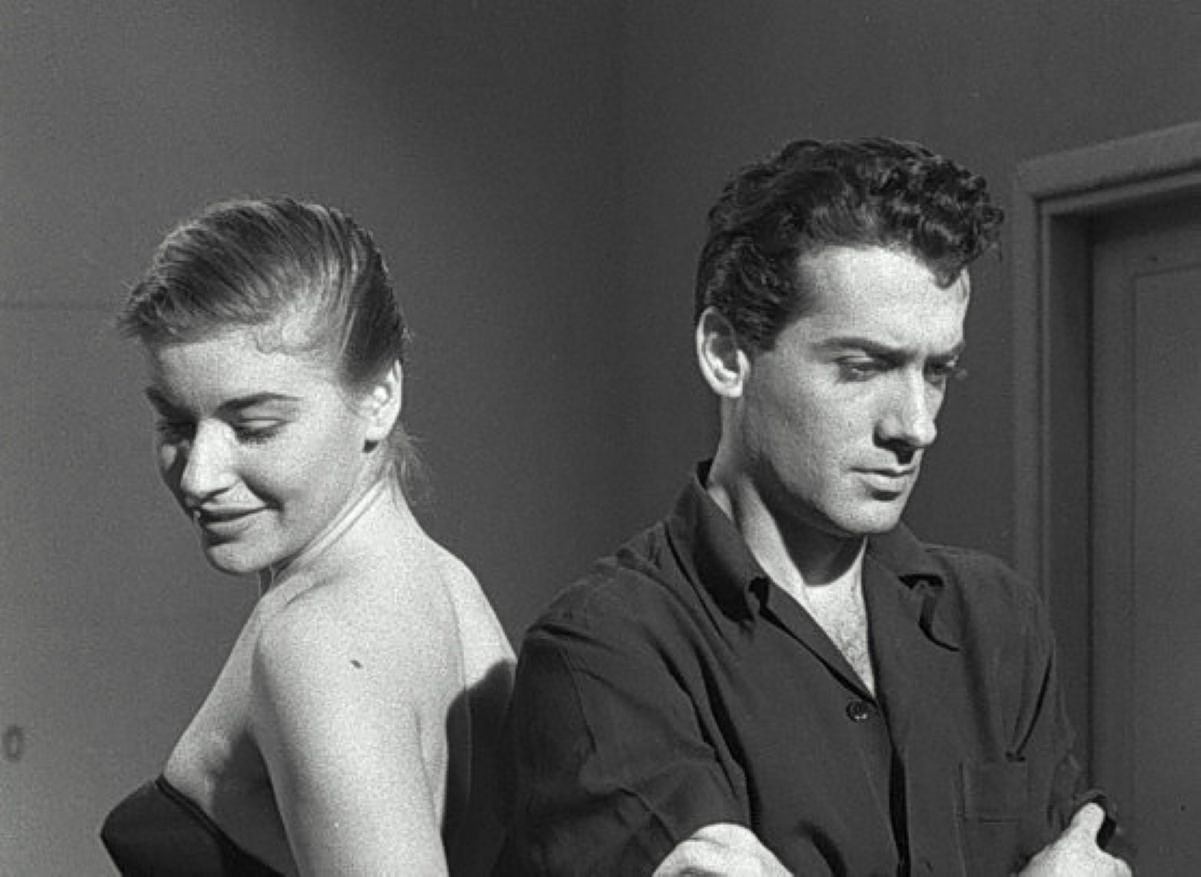
Suspended between erotic melodrama and psychological thriller, Eva places female desire at the very center of its narrative — an audacious move for the conservative climate of the 1950s. The film openly questions the patriarchal structures of family and monogamy while granting unprecedented prominence to the female gaze. Above all, Plyta films confinement itself: female sexuality constrained by social expectation, and the violence embedded within those social codes.
At the same time, the male body is framed as an object of desire and observation, subverting the dominant gender representations of Greek cinema at the time with remarkable boldness.
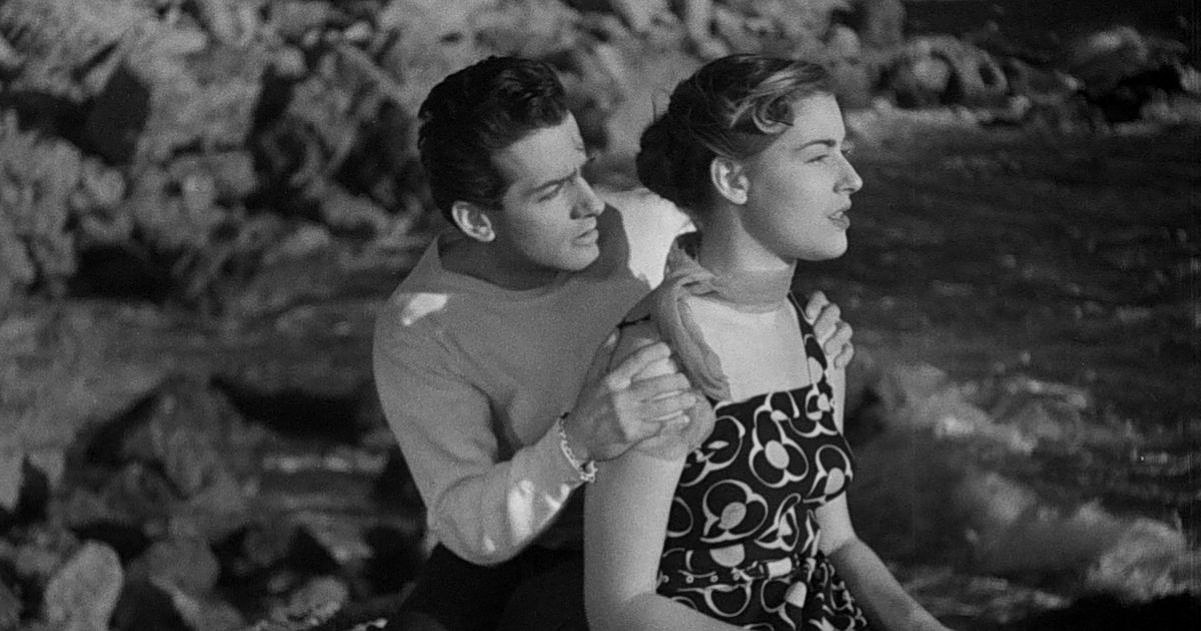
Featuring musical contributions by Mikis Theodorakis and visual touches by Yannis Tsarouchis, the film contains elements that would later become associated with European modernism and the French New Wave. It has often been compared to La Pointe Courte — except Maria Plyta was experimenting with these cinematic ideas years before they crystallized into an international movement.

Born in Thessaloniki in 1915, Maria Plyta entered filmmaking at a time when directing was considered an almost exclusively male profession, even within Hollywood. Before stepping behind the camera, she built her career as a novelist and playwright, later working as an artistic director on films by some of the era’s best-known Greek filmmakers.
In 1950, she directed Arravoniasmata (The Engagement), becoming the first woman to direct a Greek feature film. Over the course of her career, she would go on to direct 17 films — a number that, even today, exceeds the filmography of any other Greek female director. Her body of work includes The Godson, The Duchess of Plakentia — the first Greek biographical film centered on a woman — Loustrakos, and a series of social melodramas focused on women, poverty, class inequality, and the suffocating realities of postwar Greek society.
Throughout this period, the influence of Italian neorealism is unmistakable in her work, particularly in its attention to working-class lives and the social upheavals of the postwar years. Yet Plyta transformed those influences into something uniquely her own: a cinema that placed women’s emotional and social realities at its core long before such perspectives became central to international film discourse.