 Μake us preferred on Google
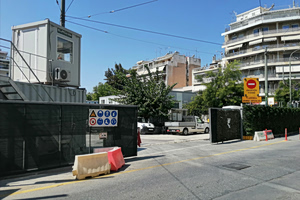
 Greece’s best-kept state secret is not the deployment of its armed forces. It is what exactly is happening in Kypseli, a densely populated neighborhood in central Athens. Since last April, when the first problems emerged during excavation work for Metro Line 4, we have heard only half-answers, dressed up in polished language, such as the statement that “the construction of the Metro Line 4 tunnel is being carried out in full compliance with the most modern safety standards for tunnel construction in an urban environment” (July 15, 2026).
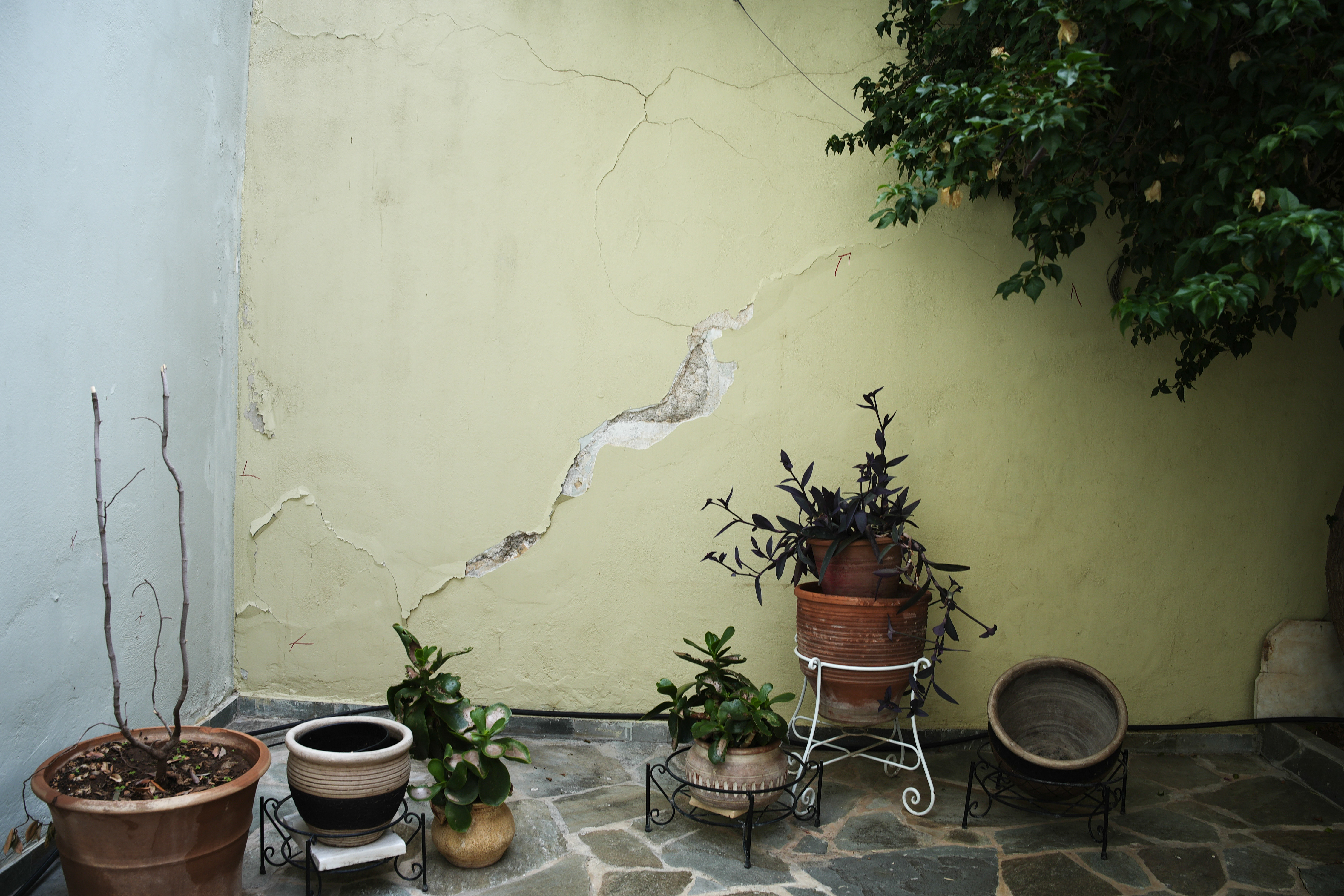
The company’s secrecy appears to be paying off. As it stated in its July 15 announcement: “Since May 8, 2026, TBM [tunnel boring machine] operations have been suspended after unexpected and detectable conditions were identified in the particularly weak geological substrate.” It took cracks appearing in apartment buildings, residents turning to the Municipality of Athens and the courts, for the company to announce the problem — two months later.
Mayor of Athens Haris Doukas was right to lash out at those responsible, speaking to Mega News 104.6: “Three months after the tunnel boring machine had stopped in Kypseli, neither the mayor nor the minister knew about it. (…) After a great deal of pressure and, evidently, prosecutorial intervention, they gave us incomplete data — and even that data covered only 14 apartment buildings, out of the 35 that the minister said they were investigating. It appears that in several of these buildings, subsidence is generally four times greater than the permitted limit. They had concealed this” (October 3, 2026).
The day before yesterday, the company issued a new 209-word statement, saying that “the first interim expert reports by the Technical Chamber of Greece (TEE) concerning 14 buildings in the Kypseli area were delivered to Elliniko Metro S.A.” What do these reports say? Classified. What findings are there? “Elliniko Metro is evaluating them,” the statement says. It does not even identify which 14 buildings are being “evaluated,” so that residents can at least know which buildings to avoid walking beneath. Only journalistic reports can identify some of them. It is worth noting that after an earthquake, an initial assessment is completed within a week. Shouldn’t people living in the area be informed six months later?
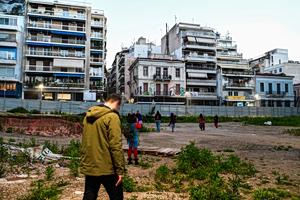
The problem is not only accountability, which is a democratic duty for everyone involved, from the government to the Technical Chamber of Greece and the construction company. It is also the appalling handling of this crisis. On the one hand, it is fueling citizens’ distrust of the system; in the dark, and with half-answers, all sorts of harmful rumors and suspicions flourish. On the other, it has already begun driving residents into the streets. Last Saturday, the first protest was held in Kypseli Square. “We are asking for the full project data to be made available so that we can determine the causes of the damage. We also want the results of the inspections into structural integrity, as well as the geotechnical and geological studies…” said Christos Rokas, a member of the Kypseli Residents’ Initiative, to Athens 984 (October 3, 2026).
Whatever is happening in Kypseli cannot remain locked away in the drawers of those in charge…