 Μake us preferred on Google
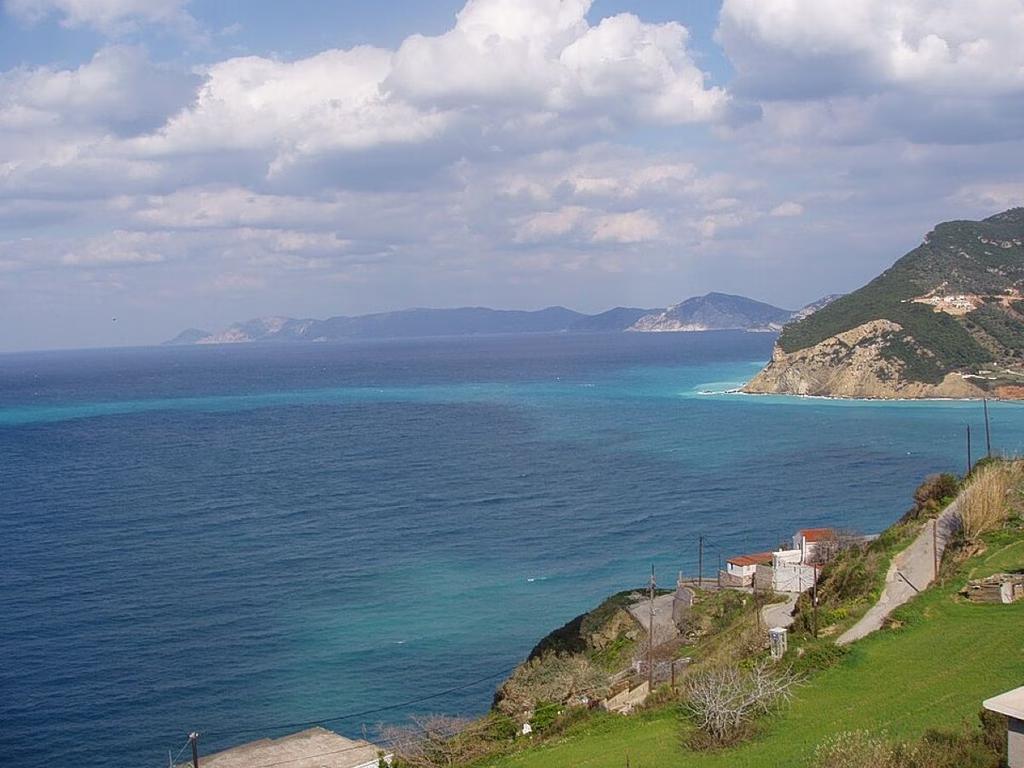
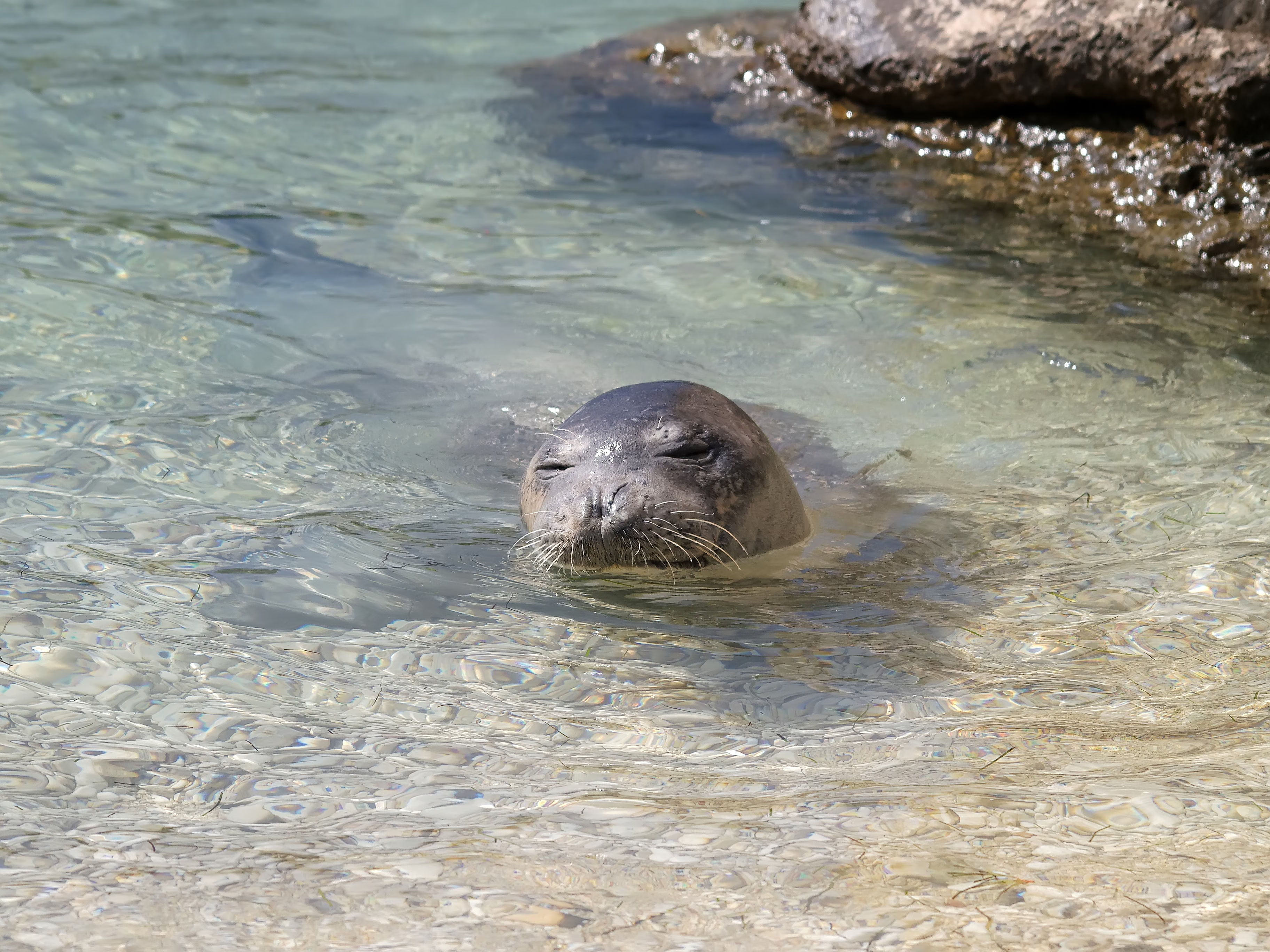
Two more Mediterranean monk seal pups have been recorded in Greece’s Alonissos Northern Sporades National Marine Park, bringing further encouraging news for one of the world’s most endangered marine mammals.
The newborns were spotted by scientists from the monitoring team of the Aenaos Thalassa Foundation, following the discovery of the first pup of the current breeding season on an open beach on Piperi, an island within the protected area.
According to the Natural Environment and Climate Change Agency (NECCA), researchers are closely monitoring this year’s breeding season after the park recorded a record number of births in 2025. A total of 21 pups were documented last year, significantly exceeding the average annual number recorded over the previous 37 years.
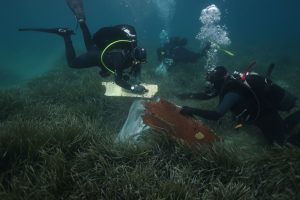
The seal population is monitored through cameras installed at breeding shelters. Scientists use the photographic material collected to produce a final estimate of the number of pups and assess the population.
The monitoring program is carried out jointly by NECCA, the Thalassa Foundation and the environmental organization MOm, under a cooperation agreement between the three organizations.
Monk seals increasingly giving birth on open beaches
Researchers have described as particularly encouraging the discovery that, in 2025, Mediterranean monk seals gave birth and nursed their pups on open beaches on Piperi for the first time in many years, rather than inside caves.
They consider this a sign that the animals feel safe in the core area of the national marine park.
A species recovering after decades of protection
The Mediterranean monk seal was classified as Critically Endangered on the International Union for Conservation of Nature’s (IUCN) Red List in 1996. Around half of the species’ global population lives in Greece, making the country central to its long-term conservation.
In the early 1990s, the worldwide population was estimated at no more than 600 animals. The establishment of the National Marine Park of the Northern Sporades in 1992 was among the first major steps taken to protect the species.
Decades of conservation efforts have gradually improved its status, with the population now estimated at between 850 and 950 animals.
Despite steady recovery over the past decade, continued protection remains essential to the species’ survival.