 Μake us preferred on Google
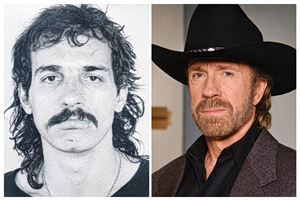
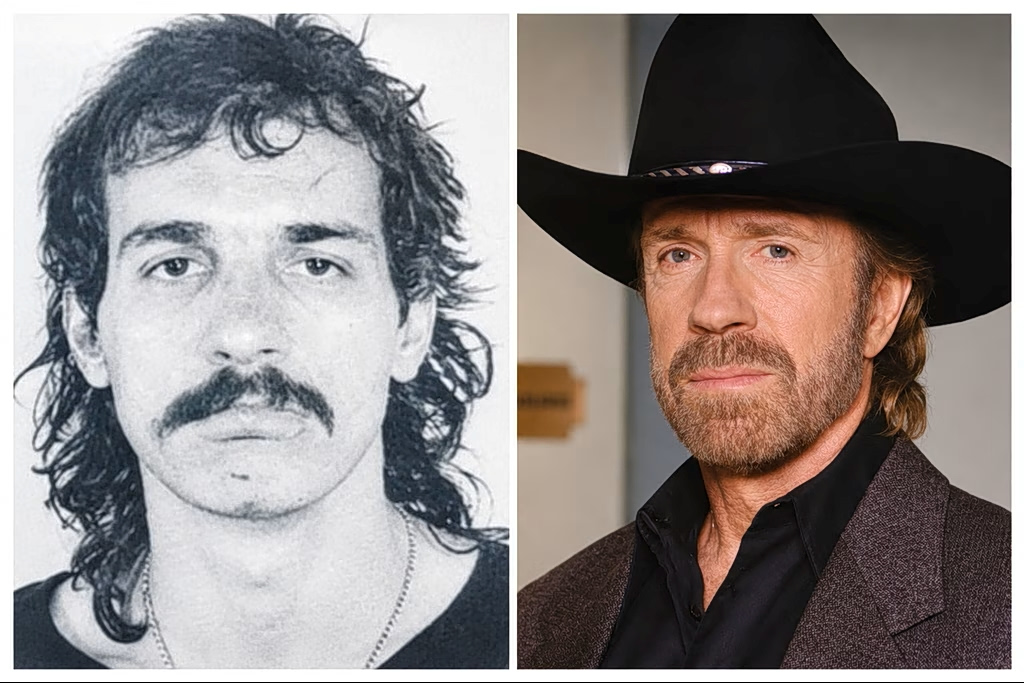
A 64-year-old inmate, who for decades claimed to have worked as a stunt double for Hollywood action star Chuck Norris in the 1980s, before becoming associated with organized crime in Greece, was found dead in his cell at Agios Stefanos Prison in the western city of Patras on Thursday.
The man was identified as Vasilis Varelas, AKA “Bill the Canadian.” His criminal record included convictions and cases involving drug trafficking, extortion, attempted assassinations and contract killings.
Born in the remote village of Nedousa, along the Taygetos mountain range towering over the southern-most city of Sparta, Varelas initially pursued a career in martial arts and was reportedly a two-time kickboxing champion in Greece. His sports career took him to Canada and the United States, where he found work in Hollywood action productions, performing dangerous scenes in place of Norris, local media reports claimed on Friday.
According to those same reports, his stuntman career came to an abrupt end in 1988, when he was involved in a homicide case in Canada.
Following a reputed personal dispute, Varelas stood accused of shooting a man dead, prompting an international arrest warrant after he disappeared. He subsequently turned up in Greece and settled in Kalamata, in extreme southeast Greece, where he became associated with criminal gangs operating in Messinia prefecture.
From Hollywood to organized crime
By the early 2000s, Varelas’ name was linked to drug-related cases, extortion and the establishment of a criminal gang involved in protection rackets and contract killings.
The group allegedly demanded money from businesses in Kalamata in exchange for “protection”, threatening owners who refused to pay. Police investigations into its activities reportedly identified at least eight businesses targeted by the network, with weekly payments ranging from 150 to 250 euros.
Varelas was also accused of continuing to direct the group’s activities from prison, using associates to collect money and to intimidate business owners. Recorded telephone conversations reportedly documented threats against those who refused to cooperate.
Another case linked to the group’s activities involved attempted attacks against the former husband of Varelas’ fiancée, with whom he reportedly had personal differences. The man survived two assassination attempts, including a shooting in March 2009 in the Nea Filadelfia district of northwest Athens, when an assailant shot him in the head at close range.
The double murder that led to his arrest
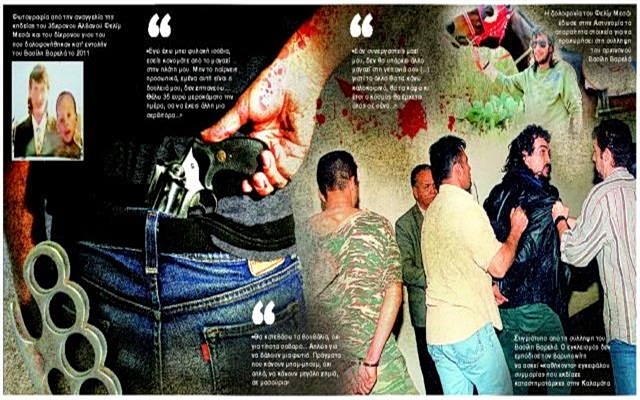
A particularly heinous double homicide in Messinia prefecture in November 2011 proved decisive in the investigation into Varelas and his associates.
The victims were 35-year-old Albanian national Felim Mesai and his two-year-old son. Their bodies were found inside a car dumped into an irrigation canal. Mesai had been shot in the head, while his toddler son’s neck was slashed.
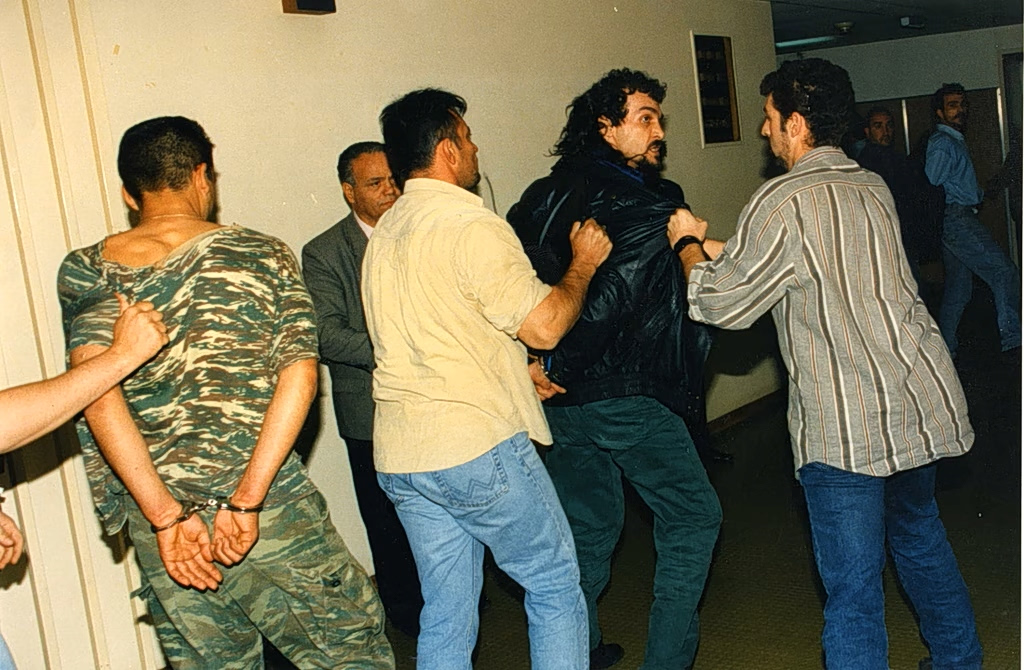
Police treated the killings as a contract murder and identified Varelas as the alleged mastermind who had ordered the attack. The investigation led to a major operation by Greek Police’s special forces unit in coastal Porto Rafti, east of Athens, and in the Kalamata area.
A 29-year-old Albanian national, identified as the alleged gunman, was arrested during the operation in Porto Rafti. Varelas was subsequently located at an isolated property in Messinia, surrounded by guard dogs, and arrested while wielding a firearm.
Violence continued behind bars
Varelas continued to attract police and media attention even after his imprisonment. In January 2015, he attacked Christodoulos Xiros, a convicted member of the November 17 terrorist organization, inside Domokos Prison in south-central Greece. The assault reportedly took place after visiting hours and left Xiros unconscious.
Despite his incarceration and reported serious health problems, Varelas was subsequently implicated in efforts to maintain control over criminal activities in Kalamata through associates outside prison.
The circumstances surrounding his death at Agios Stefanos Prison remain unclear, while a post-mortem examination is expected to establish the cause of death.
H.T.