 Μake us preferred on Google
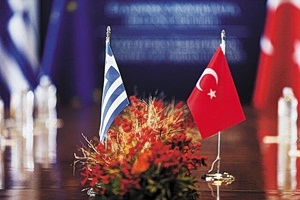
Turkey has officially put forward veteran diplomat Feridun Sinirlioğlu as its candidate for the next United Nations secretary-general, a move that has drawn strong criticism from Cyprus and is expected to face opposition from Greece.
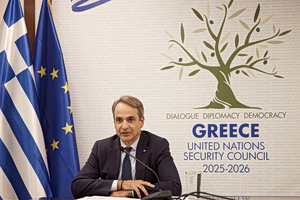
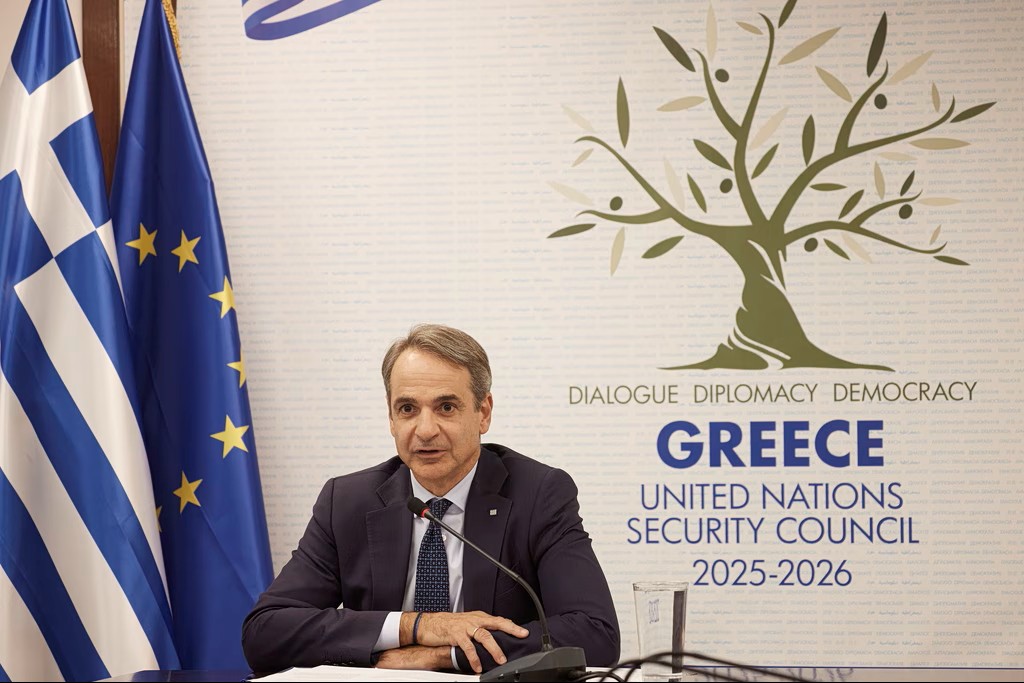
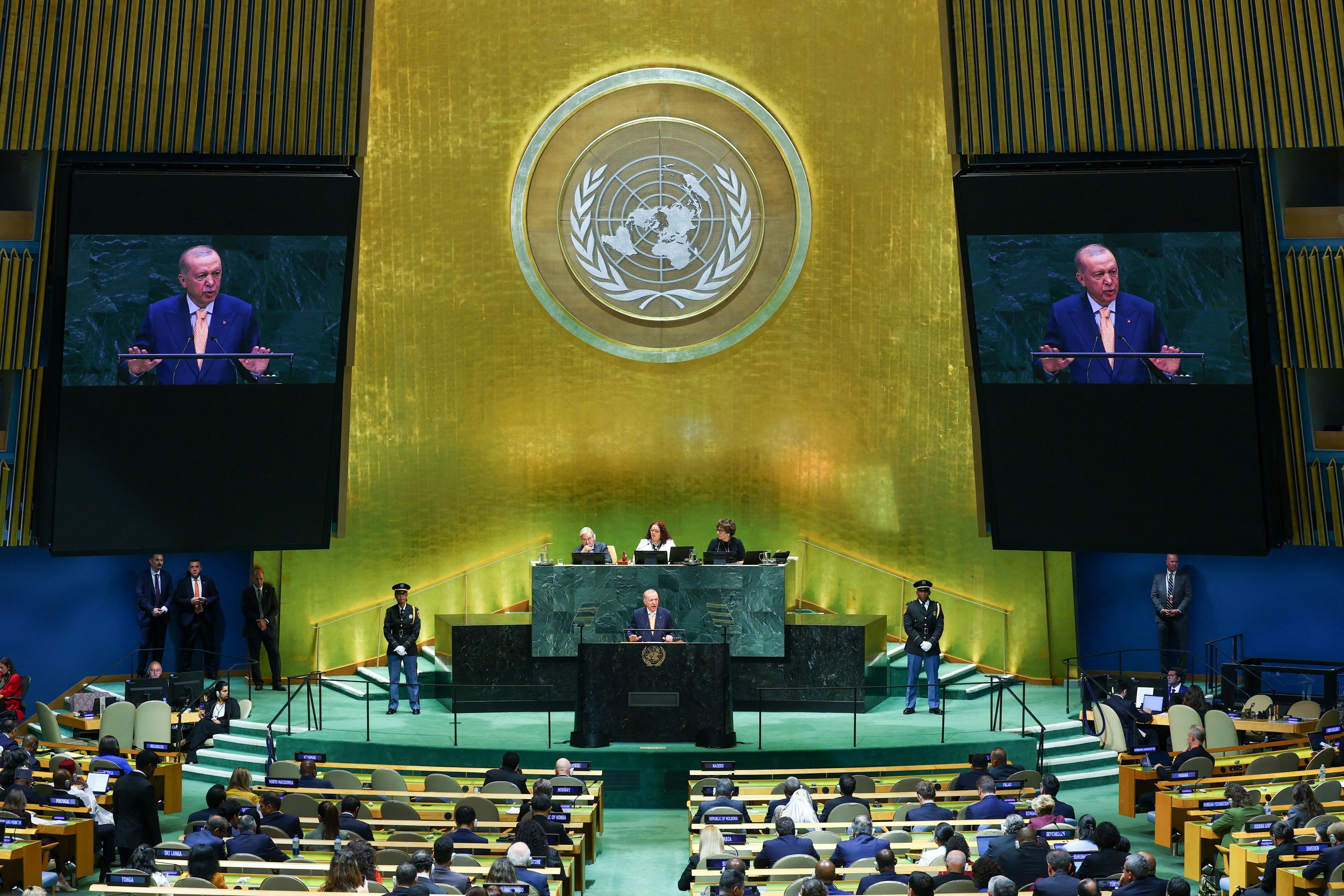
Ankara submitted the nomination through a letter signed by Turkish President Recep Tayyip Erdoğan and delivered to the United Nations by Turkey’s Permanent Representative, Ahmet Yıldız. The move came after the seventh informal vote among members of the UN Security Council, which was held under Greece’s presidency of the council.
Turkey had previously conducted diplomatic outreach to all five permanent members of the Security Council. Foreign Minister Hakan Fidan said the formal nomination was intended to help overcome the deadlock following several inconclusive rounds of informal voting.
The date of Sinirlioğlu’s first assessment in the selection process has not yet been set. Meanwhile, the eighth round of voting could be postponed until early December if Russia objects to holding it during Latvia’s presidency of the Security Council.
Security Council deadlock complicates the race
The seventh informal round ended with Costa Rica’s Rebeca Grynspan in the lead, receiving 11 votes of encouragement. Newly entered candidate Lana Zaki Nusseibeh of the United Arab Emirates placed fourth, with seven votes of encouragement.
The results did not reveal how the five permanent Security Council members — China, France, Russia, the United Kingdom and the United States — viewed the candidates. This round used white ballots, unlike earlier color-coded ballots that could indicate whether a permanent member supported or opposed a candidate, or intended to abstain.
The five permanent members have the power to veto a candidate, making their positions central to the selection process. So far, they have kept their preferences private.
France has also avoided publicly clarifying whether it would support a Turkish candidate, given its alliance with Greece and Cyprus.
International media reports have already highlighted the obstacles Sinirlioğlu could face, including opposition from Greece, which is one of the Security Council’s 15 members, and efforts by Israel to persuade Washington to prevent his appointment.
Cyprus calls nomination a “political paradox”
Nicosia has responded sharply to Turkey’s decision. Cypriot government spokesman Konstantinos Letymbiotis described Sinirlioğlu’s candidacy as a “political paradox,” arguing that Turkey occupies 37% of the territory of the Republic of Cyprus, disregards Security Council resolutions and therefore cannot seek to lead an organization established to defend the territorial integrity of states.
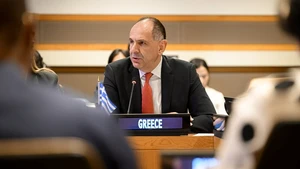
Athens has not yet issued an official response. However, Greece is expected to oppose the Turkish candidacy, given its longstanding position that the Cyprus issue must remain high on the next secretary-general’s agenda.
Greek officials have repeatedly stressed the importance of keeping the Cyprus dispute among the UN’s priorities.
Ankara sees nomination as an opportunity
For Turkey, Sinirlioğlu’s appointment would represent a significant diplomatic success at a time when the country’s foreign policy is facing criticism.
The opposition in Turkey has accused Erdoğan of setbacks in relations with Greece, including over the Turkey-Libya maritime memorandum. Unlike the maritime delimitation agreement between Greece and Egypt, the Turkey-Libya memorandum has not received international recognition, according to the Greek report.
Another setback for Ankara, the report notes, was Greek Prime Minister Kyriakos Mitsotakis’ recent intervention at the Security Council. In his customary Sunday social media post, Mitsotakis said he had used the UN platform to reiterate why the Turkey-Libya agreement cannot override the maritime rights of Greek islands.