 Μake us preferred on Google
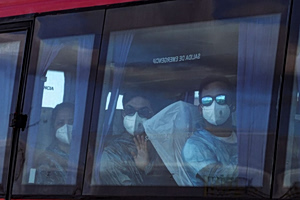
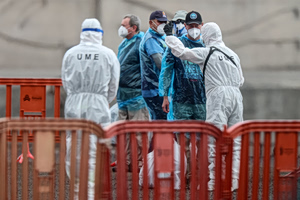
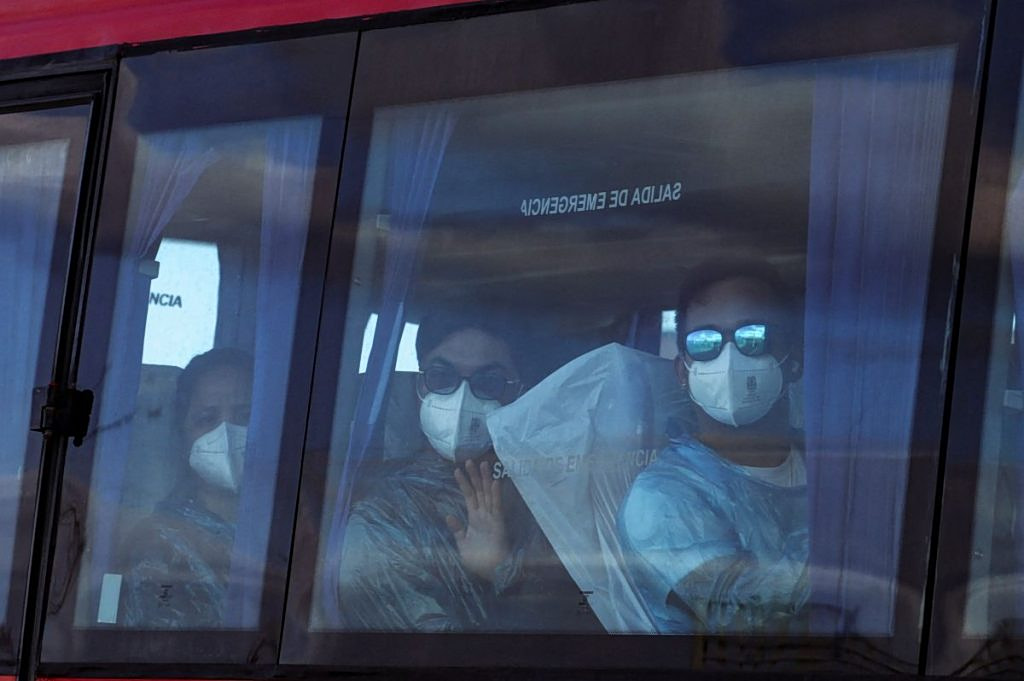
 In recent days, the world has watched with growing concern the unfolding hantavirus outbreak aboard the cruise ship MV Hondius — a case that has revived memories of the dark early weeks of the coronavirus pandemic.
The outbreak on the vessel, which had been sailing in the South Atlantic, prompted an immediate response from the World Health Organization (WHO). Multiple countries activated tracing, isolation and health screening mechanisms for passengers and crew members. According to the latest WHO figures, eight cases have been recorded so far, six of them confirmed, while three people have died.
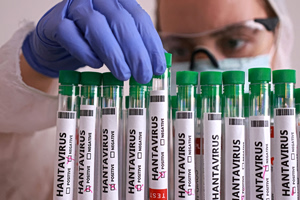
The strain identified is the Andes virus, a particularly rare form of hantavirus that has alarmed experts because it is among the very few strains known to have limited human-to-human transmission capability.
Experts, however, stress that the current situation does not resemble a Covid-19-style pandemic. The WHO estimates that the overall risk to the general population remains low, although additional cases cannot be ruled out due to the virus’s long incubation period.
NEWSLETTER TABLE TALK
Never miss a story.
Subscribe now.
The most important news & topics every week in your inbox.
The role artificial intelligence could play
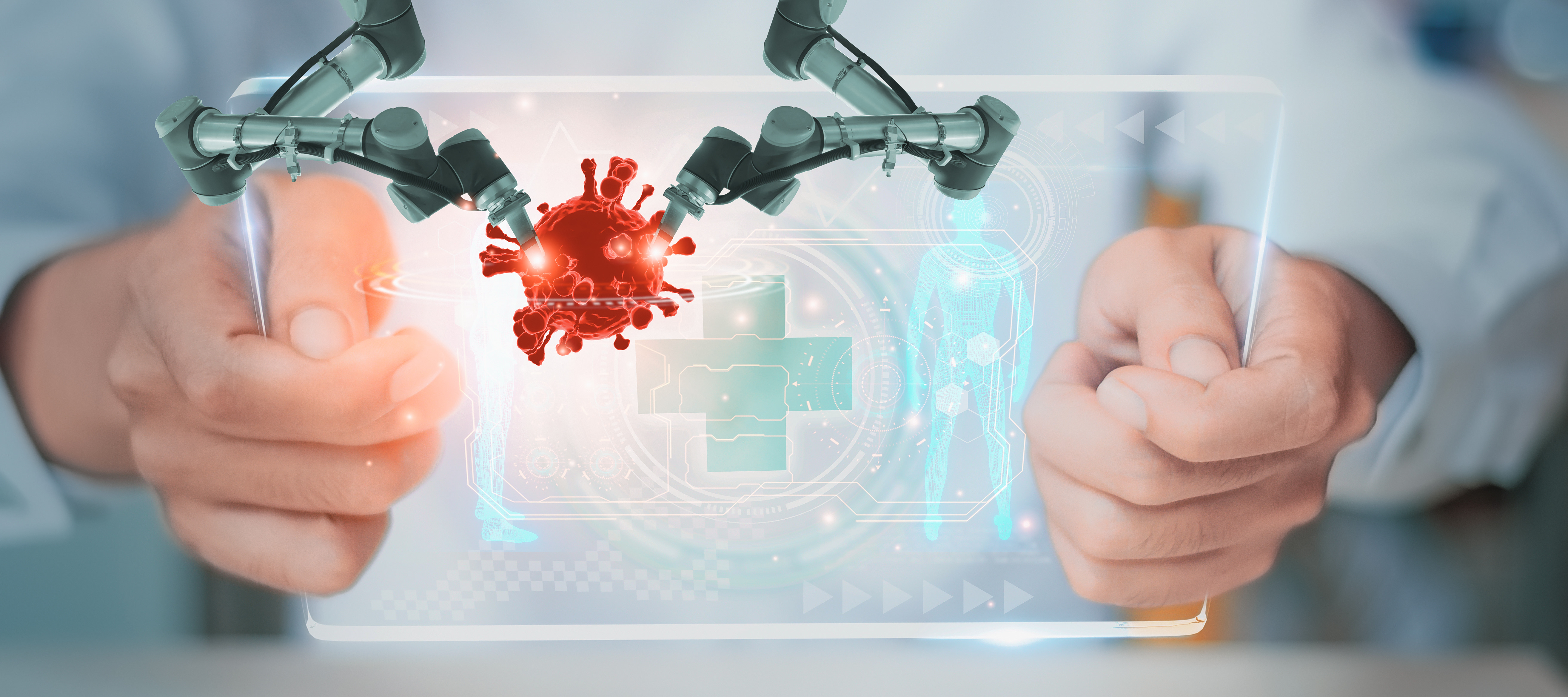
Beyond concerns surrounding the virus itself, the incident has reignited another major debate: if the world once again faces a global health crisis, could artificial intelligence become a decisive weapon in humanity’s defense?
Many scientists believe the answer is yes. Unlike in 2020, when researchers needed months to fully understand the structure and behavior of SARS-CoV-2, artificial intelligence has now radically transformed the way drugs, vaccines and diagnostic tools are developed.
The AlphaFold revolution
One of the most important breakthroughs came through DeepMind’s AlphaFold system, which solved one of biology’s greatest challenges: predicting the three-dimensional structure of proteins.
The achievement is considered revolutionary because it allows scientists to understand far more quickly how a virus functions and which of its weak points could become targets for new medicines. Until only a few years ago, such analyses required years of laboratory research. Today, they can be completed in a fraction of the time with the help of advanced algorithms.
New medicines and new applications
Major pharmaceutical companies and research centers are already using AI systems to analyze millions of chemical compounds and identify within days which ones could potentially become effective treatments.
During the Covid-19 pandemic, similar models helped researchers analyze genomes, monitor mutations and accelerate the development of mRNA vaccines. Today, the technology is considered even more advanced and significantly more powerful.
The capabilities of AI are not limited to drug development. In a future pandemic scenario, artificial intelligence could also be used for the early detection of outbreaks through the analysis of massive volumes of epidemiological data. It could help predict how a virus will spread, manage hospital resources and model containment strategies.
Scientific studies conducted after the coronavirus pandemic showed that computational models can identify so-called “super-spreader events” much earlier and help authorities make more targeted decisions.
Unanswered questions and growing concerns
Despite the optimism, experts warn that artificial intelligence is not a miracle cure. AI models can still make inaccurate predictions, while no medicine can be considered safe without long-term clinical trials.
At the same time, the expanding use of AI in biotechnology is raising new questions surrounding biosecurity and technological oversight, with scientists calling for stronger regulatory frameworks.
The hantavirus incident may never evolve into a major global threat. Yet it serves as another reminder that the planet remains vulnerable to new viruses and unpredictable health crises.
The difference this time is that humanity now possesses a tool with immense computational power — one that, only a few years ago, belonged more to the realm of science fiction than reality: artificial intelligence.