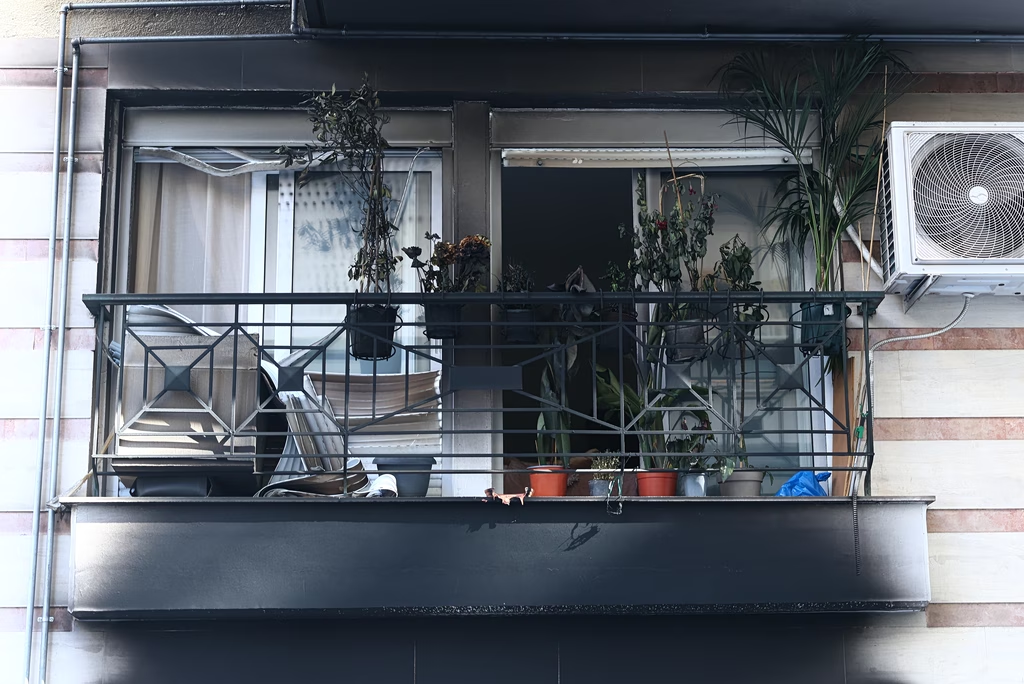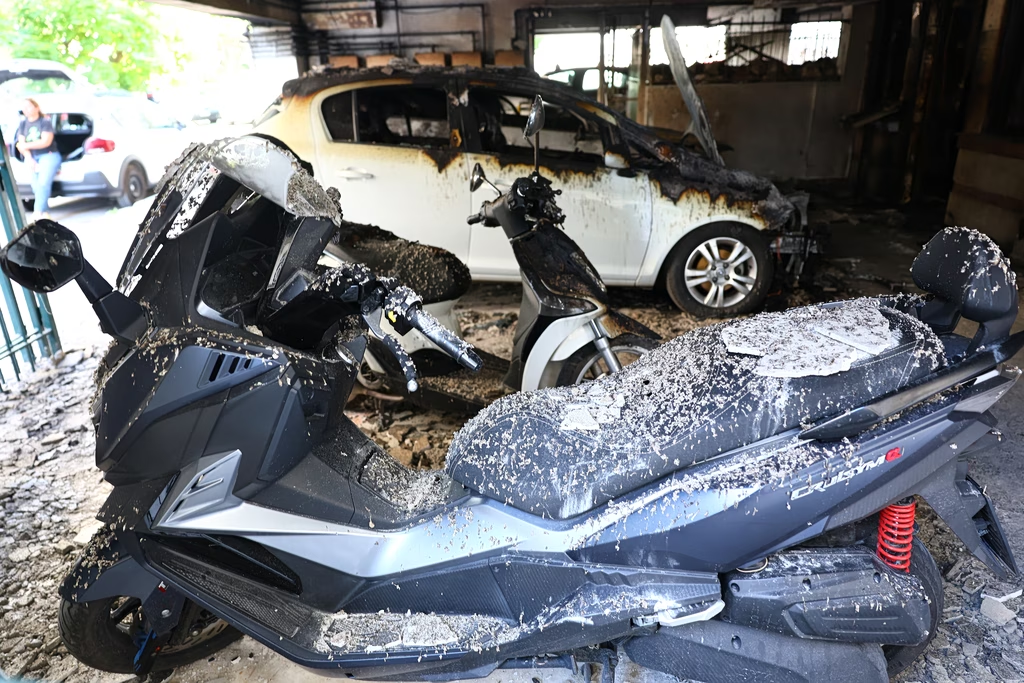
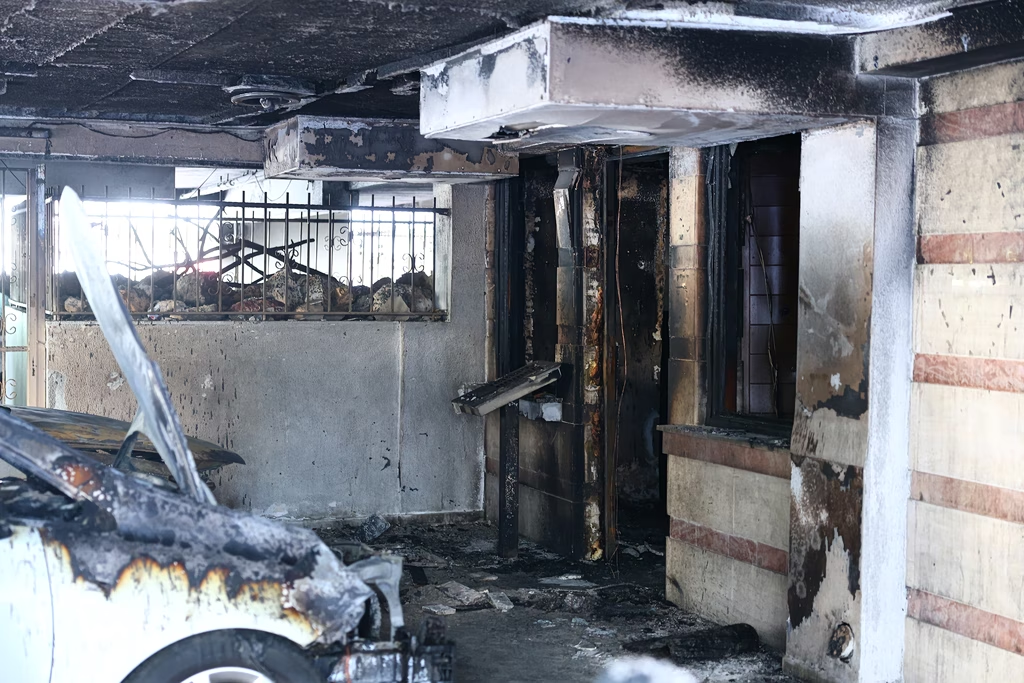
Investigators are continuing their manhunt for the people behind gas-canister bomb attacks on the homes of three New Democracy party officials in Thessaloniki’s Toumba and Pylaia neighborhoods. Police spokeswoman Konstantia Dimoglidou said the second loud blast residents heard was likely caused by fuel igniting under the vehicle where the explosive device had been planted, which sent fire tearing through the apartment building, killing one woman and injuring several others.
Dimoglidou said the case tragically shows how dangerous even a “simple” homemade explosive device can be, capable of causing death, serious injuries, and heavy property damage. She said no group is expected to claim responsibility, given that the attack resulted in a fatality, that of Vagia Nestora.
Authorities believe at least three people carried out the attacks on the three officials’ homes within a 17-minute span, using a motorcycle to move between locations. The counterterrorism service has taken over the investigation.
Potential penalties
Attorney Theodoros Karagiannis told MEGA television that beyond the explosives charges, which already carry heavy felony sentences, prosecutors could pursue a homicide charge based on possible intent, which combined with the terrorism charges could realistically mean around 25 years served under current sentencing practice, absent mitigating factors. He noted that anyone found to have ordered or organized the attack would face the same sentencing range as the people who physically carried it out, while accomplices might receive reduced sentences.
“At some point, death was coming”
Commentator Stavros Balaskas argued that Greece’s security services, intelligence, and counterterrorism units are now acting in coordination, and warned that the pattern of this kind of violence had long signaled that a fatality was only a matter of time. He said the anti-authority scene responsible needs to be pushed to the margins, including through changes to how such cases are prosecuted going forward.
A resident’s account
George Papadopoulos, a resident of the building where Vagia Nestora died, told ERT he went downstairs when he heard noise and saw a car on fire. He said he didn’t dare go further outside for fear of another explosion, and within a minute or two a second blast blew out doors and windows, turning the stairwell into what he described as a chimney. He said smoke quickly filled the building, making it hard to breathe and causing a burning feeling in the chest.
He also described finding Afroditi Nestora, the victim’s daughter, on his balcony in a state of shock after she had entered his apartment searching for a way out; she had burns on her hands and feet and kept asking about her parents once she came to. Papadopoulos said residents had never noticed any threats or warning signs before the attack.