 Μake us preferred on Google
Two more suspected cyberattacks targeting commercial refrigeration systems were reported on Wednesday, on the Greek island of Crete, raising concerns over the vulnerability of food storage facilities to hackers.
The news comes after the National Cybersecurity Authority urged businesses to strengthen their digital defences by disconnecting fridge and freezer systems from the public internet, implementing VPNs and multi-factor authentication (MFA), updating passwords and software, and replacing outdated equipment.
Earlier this week, the owner of a butcher shop in the northern Athens suburb of Kifissia reported that hackers had allegedly gained remote access to the refrigeration system, changed the temperature settings and locked employees out of the controls.
Speaking to Mega Channel, refrigeration technician Giannis Angelakis said he was called to respond to two similar incidents on Crete on Wednesday involving a bakery and a meat-processing and cold-storage facility. According to Angelakis, the two businesses operated a total of 48 refrigeration units, 34 at one facility and 14 at the other.
“We were notified around 5:30 a.m. that hackers had tampered with the settings on all the refrigeration controllers,” Angelakis said. He explained that the attackers had disabled the alarm systems, preventing staff from receiving warnings when the refrigeration units stopped cooling. The temperature settings had reportedly been changed to 120 degrees Celsius, while the defrost cycles were reprogrammed to activate every hour.
“The alarms had been disabled, so no one would be alerted,” he said.
According to the technician, the attackers gained access through a compromised data logger, the central system connecting the refrigeration controllers and collecting operational data, which was accessible via an IP address. Despite the disruption, Angelakis said the businesses had responded quickly, limiting the damage.
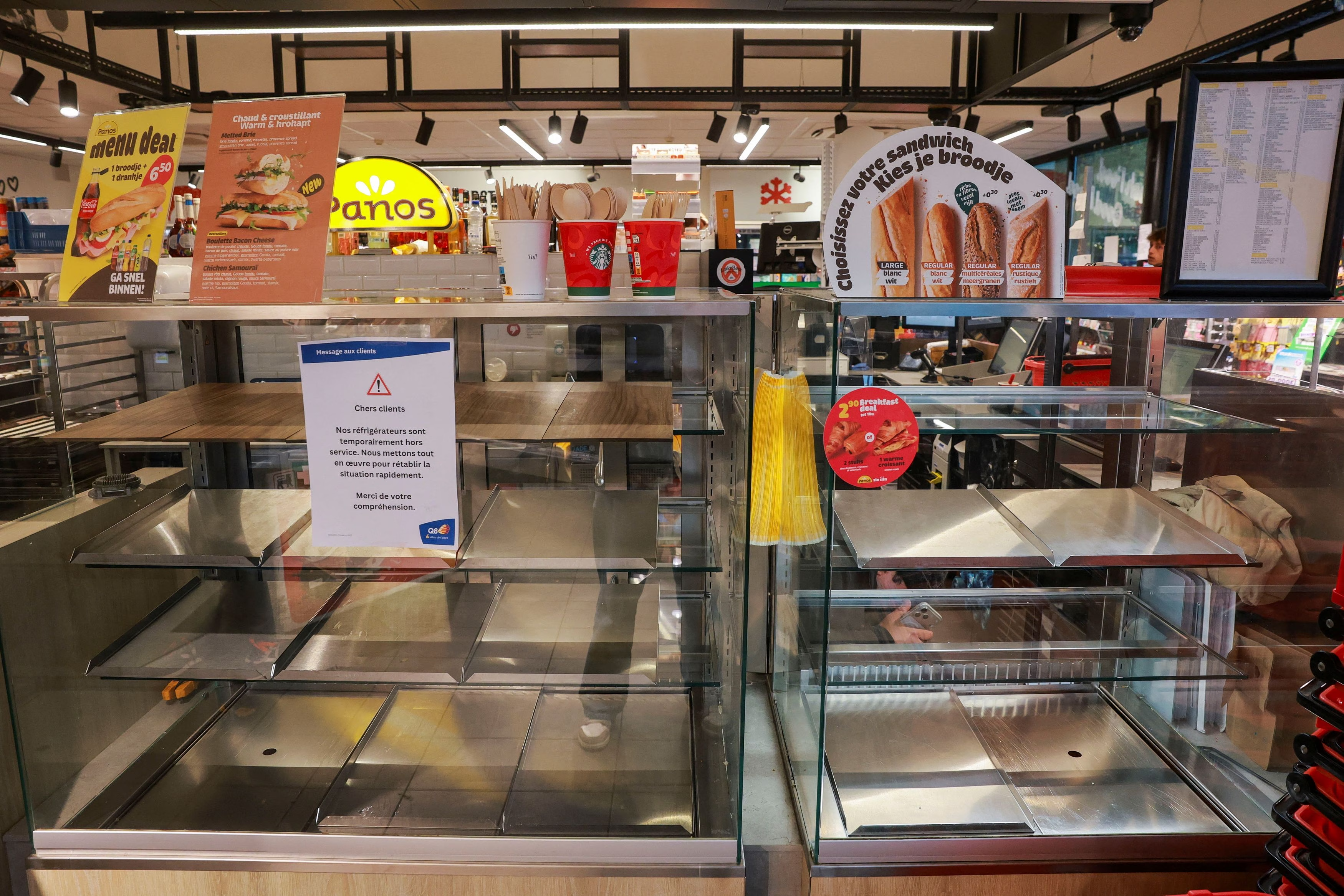
The incidents come amid growing scrutiny of cybersecurity vulnerabilities in Europe’s food retail and storage sector. Earlier this week, the European Commission said it would be reviewing supermarkets’ preparedness for malicious cyber activity following reports of attacks targeting supermarket refrigeration systems across Europe.