 Μake us preferred on Google
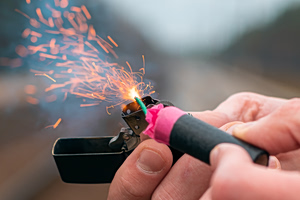
 Fireworks use during this year’s Easter celebrations in Greece was notably limited, while the dangerous “tradition” of recent years—throwing Molotov cocktails in the Athens neighborhood of Neos Kosmos, on Lagoumitzi Street outside the Church of the Ascension after the Resurrection service—was avoided altogether.
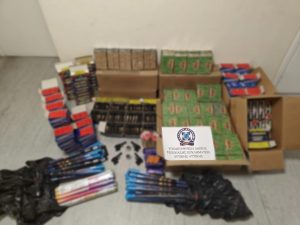
Intensive police checks and carefully designed operational plans led to the seizure of more than 180,000 pyrotechnic items and 146 arrests nationwide. Despite these strict measures, however, injuries were not entirely prevented. Between March 7 and April 13, a total of 16 people were injured—four seriously and twelve with minor injuries.
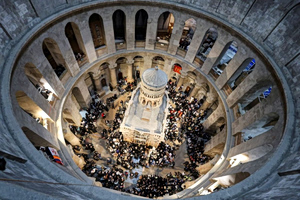
In the Attica region, which includes Athens, the Hellenic Police implemented a targeted operational plan on the night of the Resurrection service—one of the most significant moments of Orthodox Easter, traditionally marked by midnight celebrations and fireworks. The primary aim was to prevent and deter dangerous incidents, such as the throwing of incendiary devices, flares, and firecrackers near churches and public gathering spaces. Extensive checks were carried out on individuals and vehicles, particularly in areas with a history of such incidents.
NEWSLETTER TABLE TALK
Never miss a story.
Subscribe now.
The most important news & topics every week in your inbox.
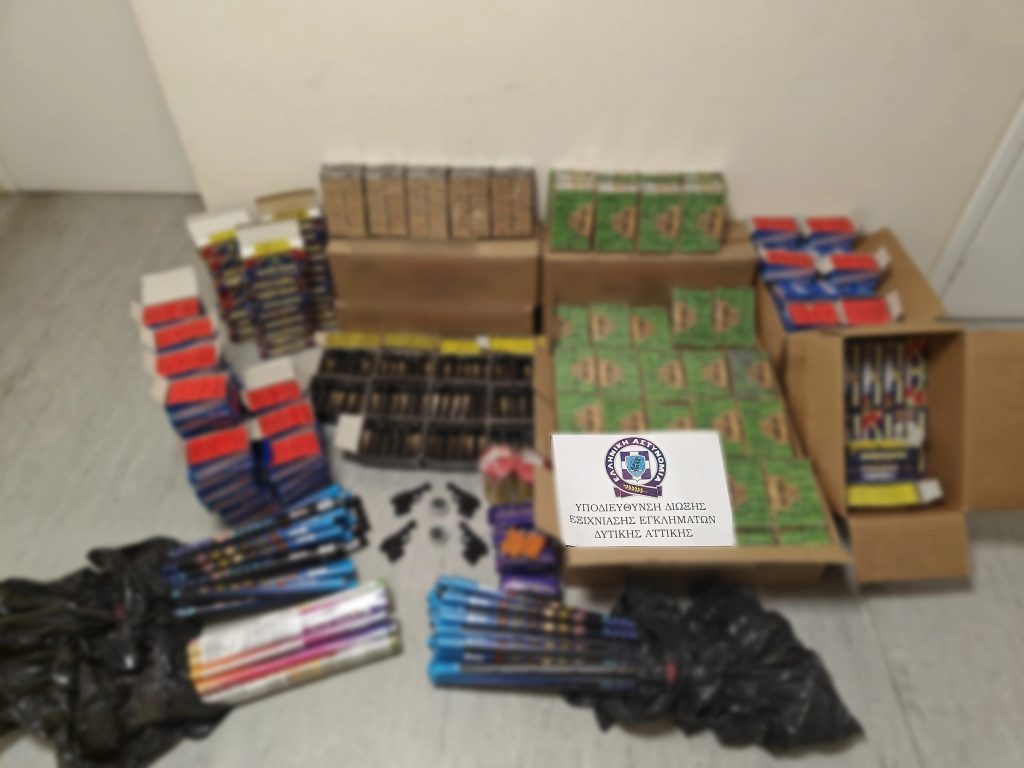
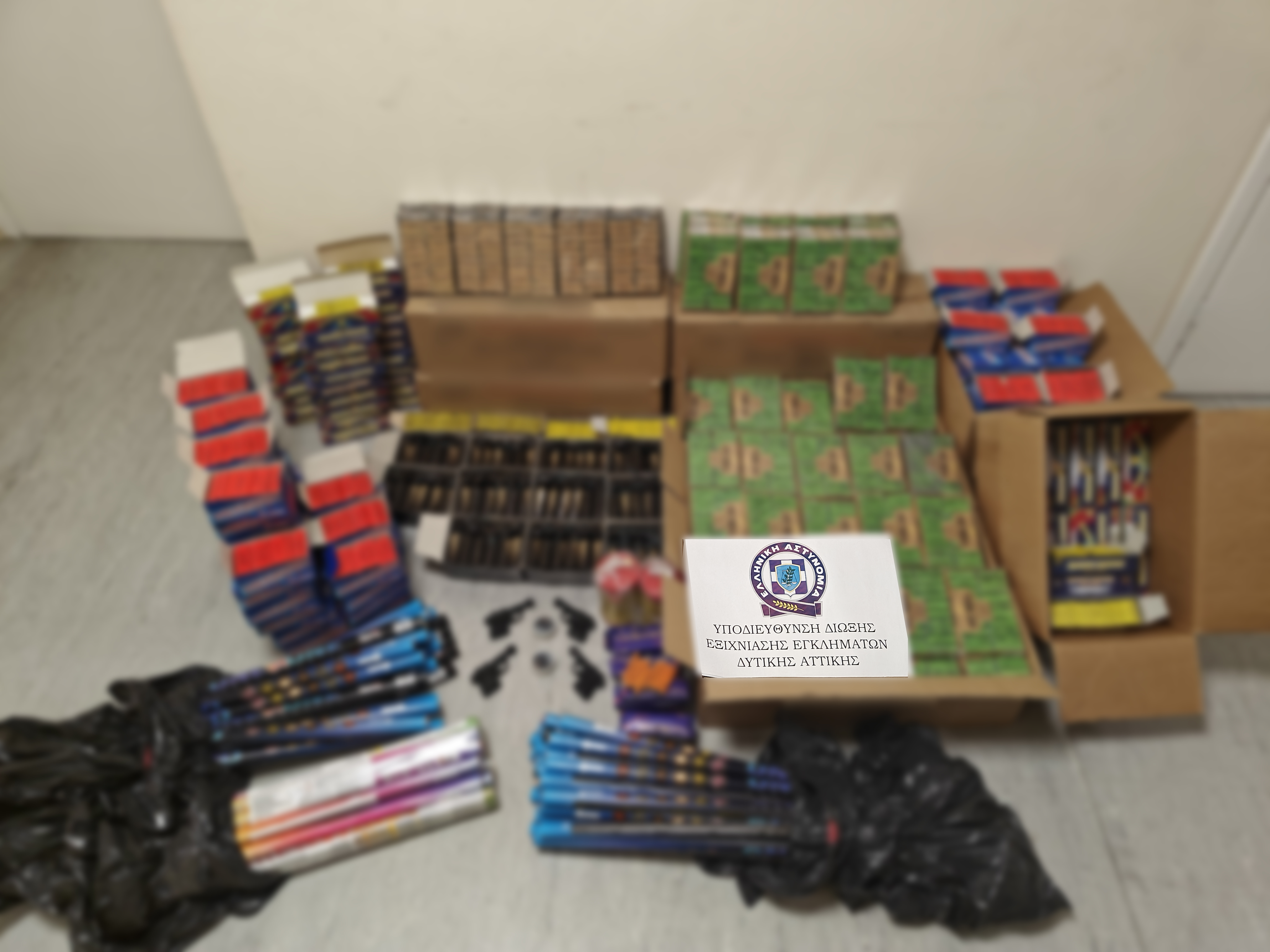
As a result, 10 people were arrested in Neos Kosmos, two in Kallithea, one in Paiania, and one in Koropi. Authorities seized 153 Molotov cocktails, 38 marine flares, 26 firecrackers, and five containers of flammable material, either in the possession of those arrested or in areas near churches.
At the same time, special police operations were conducted on the islands of the Northeastern Aegean during Holy Week (the week leading up to Easter). Following 320 inspections, 15 arrests were made, 11 violations were recorded, and criminal cases were filed against three additional individuals from another region who were linked to an incident in Karlovasi, on the island of Samos. In Karlovasi specifically, six arrests were made across three separate incidents on Holy Tuesday and Holy Wednesday, involving individuals found in possession of seven packages of fireworks, launching devices, and related equipment.
Overall, from Holy Monday to Holy Thursday, authorities in the Northeastern Aegean seized 1,902 fireworks of various types, 118 homemade rockets, 39 firecrackers, eight gunpowder-filled shells, 17 smoke bombs, four hand flares, 180 rocket sticks, and 30 kilograms of materials intended for filling improvised rockets, along with tools and machinery used in their construction.
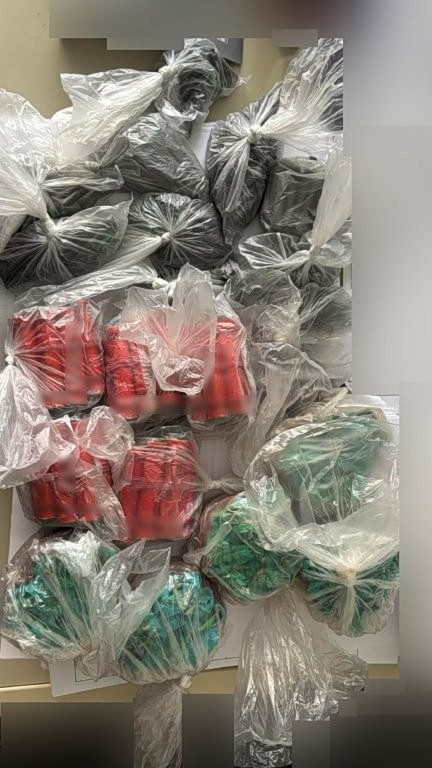
On Holy Saturday, in a stream near the area of Vrontados on the island of Chios—an area known for its traditional but often hazardous “rocket war” Easter custom—police discovered and confiscated 1,181 homemade rockets and two launching platforms. A criminal case was subsequently filed by the Chios Subdivision for Crime Investigation and Detection. On the same day, officers in Pythagoreio, Samos, located 39 pyrotechnic items—including firecrackers and explosive devices—in an outdoor area near a church. These were also seized, and a criminal case was opened.
These efforts followed a nationwide police operation code-named “Spark-Down,” carried out on Holy Wednesday to combat the illegal manufacture, trafficking, and use of pyrotechnic materials.
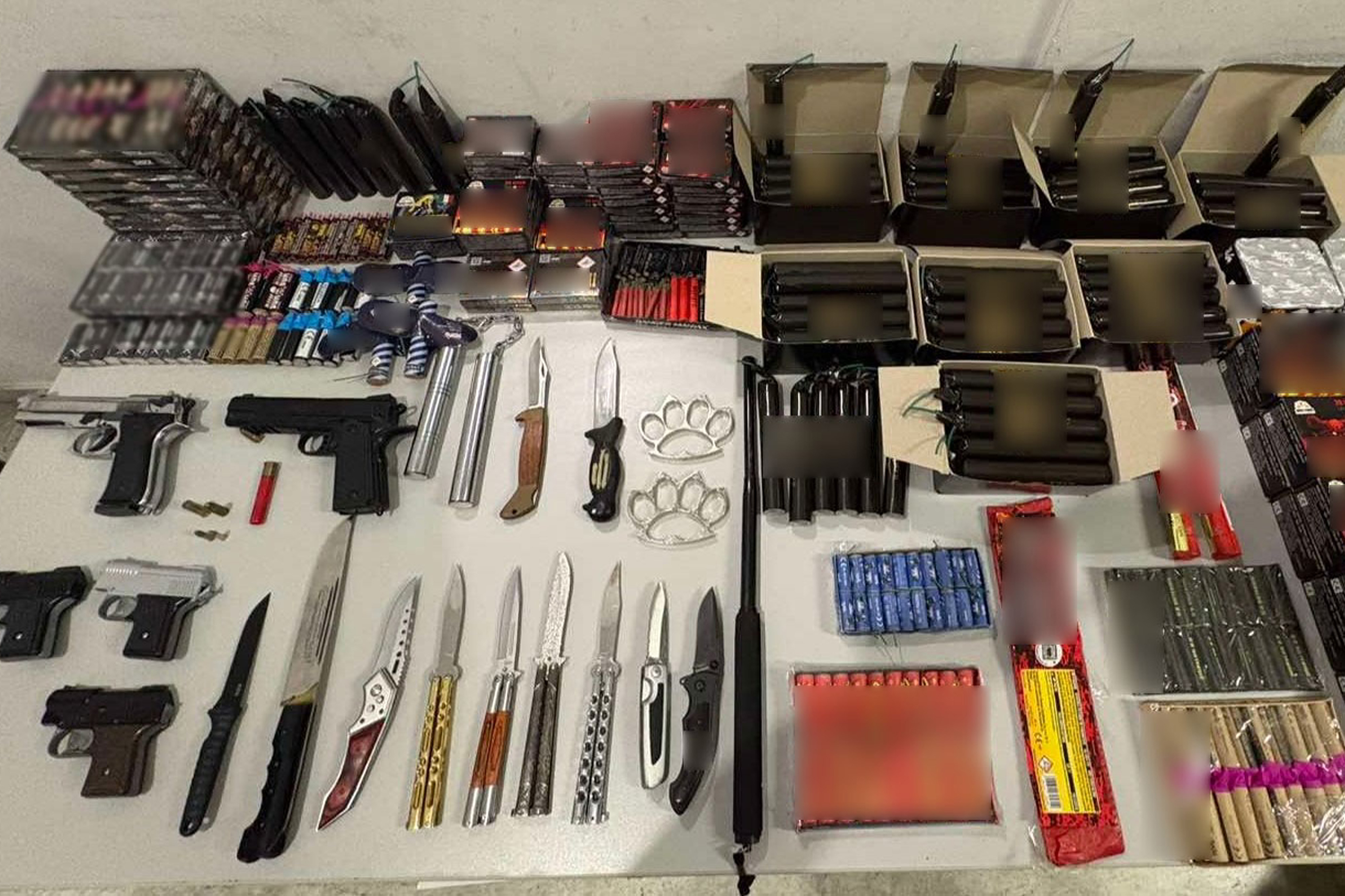
The operation was coordinated under directives from the Weapons and Explosives Division of the Hellenic Police Headquarters, aiming to more effectively address the issue and strengthen public safety during the Easter period.
Specialized police units operated throughout the day, taking into account local conditions and risks. The results were significant: 3,660 inspections were conducted, 23 individuals were arrested, 22 violations were recorded, and more than 98,000 pyrotechnic items—including firecrackers, fireworks, and flares—were confiscated.