 Μake us preferred on Google
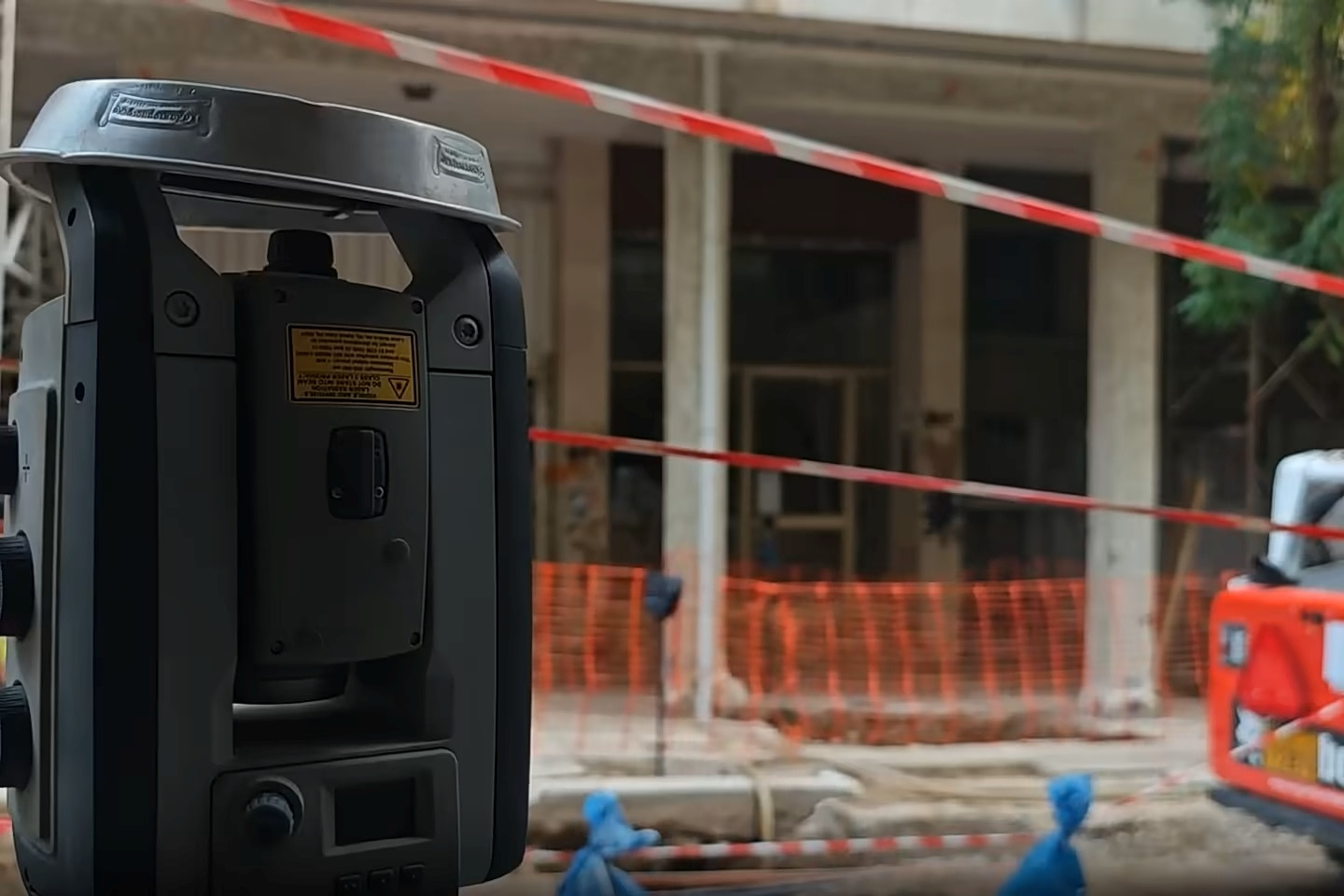
Specialist crews are racing to stabilize the ground beneath Spetses Street in the central Athens district of Kypseli, carrying out emergency cement and concrete grouting operations alongside digital monitoring measures, in an effort to secure the area affected by the Athens Metro Line 4 tunnel excavation.
The targeted injections are being carried out at varying depths and angles, extending beneath optical-fiber networks and central water supply pipelines operated by the Athens Water Supply and Sewerage Company (EYDAP), with the aim of reinforcing and stabilizing the soil.
The operation is considered essential to ensuring that the tunnel-boring machine (TBM), which has remained stationary beneath the area, can safely pass through and be extracted from this critical section. Once this phase has been completed, permanent restoration work is expected to begin on the apartment buildings affected by the excavation.
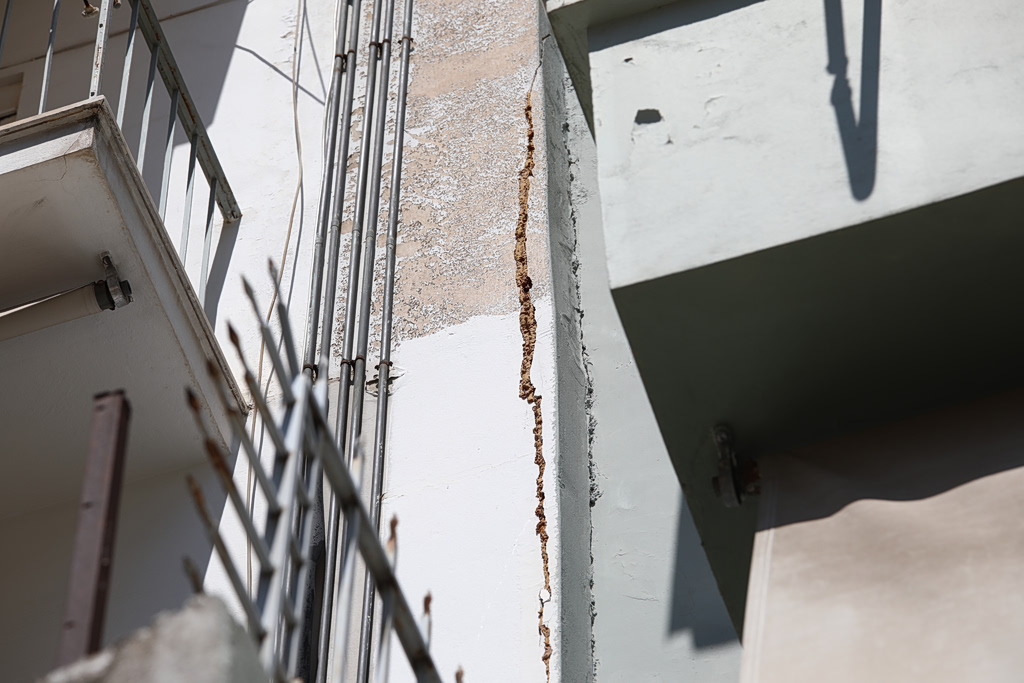
Technical inspections are continuing, with particular attention focused on the apartment block at 92-94 Spetses Street. The assessments are being overseen by experts from the Technical Chamber of Greece (TEE), with assistance from a British tunnelling specialist.
The TBM, known as Niki, was halted on May 8 following unexpected geotechnical conditions and ground movements that caused damage to nearby buildings. The Technical Chamber’s interim assessments, delivered in October, covered 14 buildings, while residents have called for a wider investigation encompassing all 20 apartment blocks currently under scrutiny.
Residents demand comprehensive structural assessments
The scale and intensity of the interventions have done little to reassure residents of the underground route passing through Kypseli, who argue that the measures themselves demonstrate the seriousness of the risks involved.
Representatives of the Kypseli residents’ initiative on Thursday called for comprehensive structural adequacy assessments of all 20 apartment buildings being examined.
“In a building where there is no danger, you don’t intervene,” said Christos Rokas, stressing that the potential risks were not confined to a single location.