 Μake us preferred on Google
 Northern Greece is facing an especially challenging wildfire season this summer, with a surge in forest and agricultural fires raising concerns among residents, local authorities and the Ministry of Climate Crisis and Civil Protection.
Last Thursday, the ministry reported that firefighters responded to 51 rural and forest fires across the country within a 24-hour period, with the greatest pressure concentrated in Northern Greece. Fire crews were called to tackle 17 simultaneous incidents in the Central Macedonia region, particularly in western Thessaloniki.
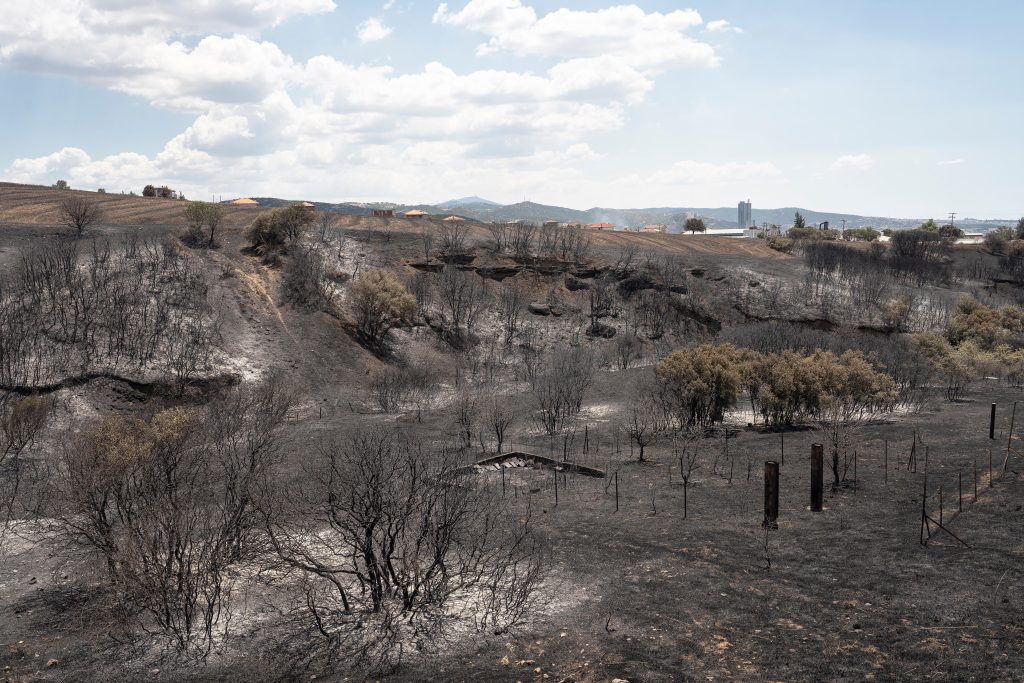
Burnt area in the Filothei area of Oraiokastro,Thessaloniki, Greece on July 6, 2026. / Καμένη έκταση στην περιοχή Φιλοθέη Ωραιοκάστρου, 6 Ιουλίου 2026.
According to Deputy Minister for Climate Crisis and Civil Protection Evangelos Tournas, the increased frequency of wildfire outbreaks in Thessaloniki prompted the deployment of a specialized team of experienced investigators from Athens to reinforce local fire investigation units in both prevention and the rapid examination of incidents.
Study Identifies “Two Different Greeces”
Scientists say climate change is driving the shift.
A 40-year study of wildfire and climate data conducted by researchers from the Universities of Patras and Ioannina found that Greece effectively functions as “two different Greeces” when it comes to wildfire behavior.
The research, led by Nikos Koutsias, Professor of Environmental Informatics, Remote Sensing and Geographic Information Systems at the University of Patras, analyzed four decades of historical wildfire records and climate conditions.
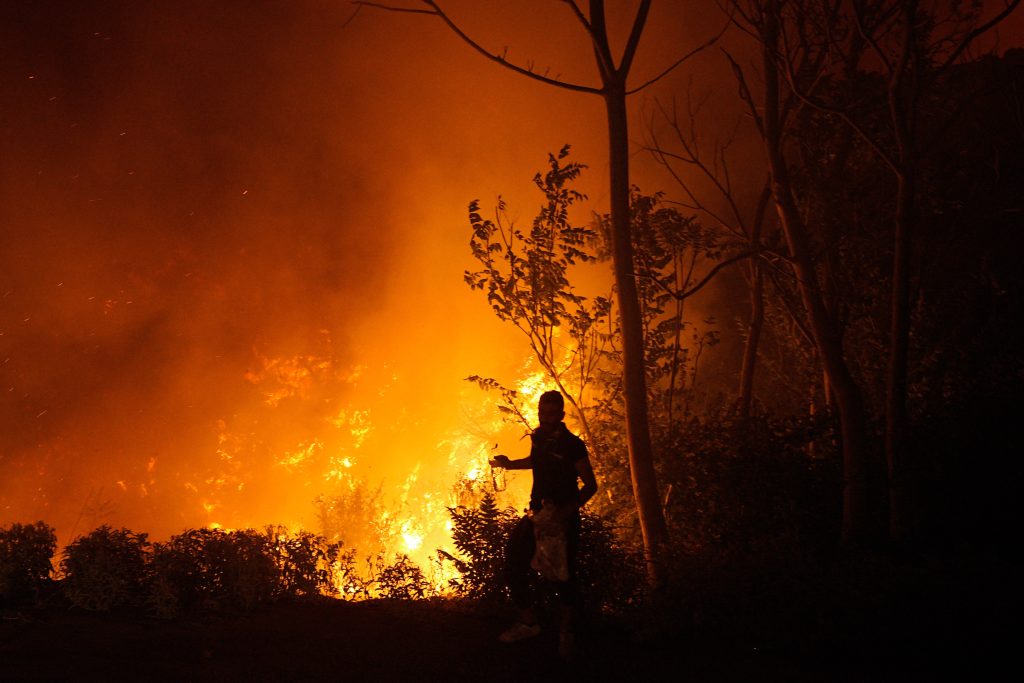
Forest fire in Filothei suburb of Thessaloniki, Greece on July 4, 2026. / Δασική πυρκαγιά στη Φιλοθέη, Θεσσαλονίκης, 4 Ιουλίου 2026.
“One of the study’s most interesting conclusions is that, from a wildfire perspective, Greece does not function as a single system,” Koutsias said.
“In Northern Greece, extensive forests produce abundant biomass. Fuel has almost always been available, meaning the main factor determining whether a year becomes particularly difficult is the climate. A warm, dry period is enough to significantly increase the risk of large wildfires.”
Different Drivers in the South
The situation differs in Southern Greece, according to the researchers.
The region’s ecosystems are generally drier and its vegetation less continuous. As a result, even during extreme weather conditions, the limited availability of combustible vegetation often acts as a natural barrier to the development of very large fires.
“In Northern Greece, wildfires are controlled primarily by climate, while in Southern Greece they are controlled by fuel availability,” Koutsias explained.
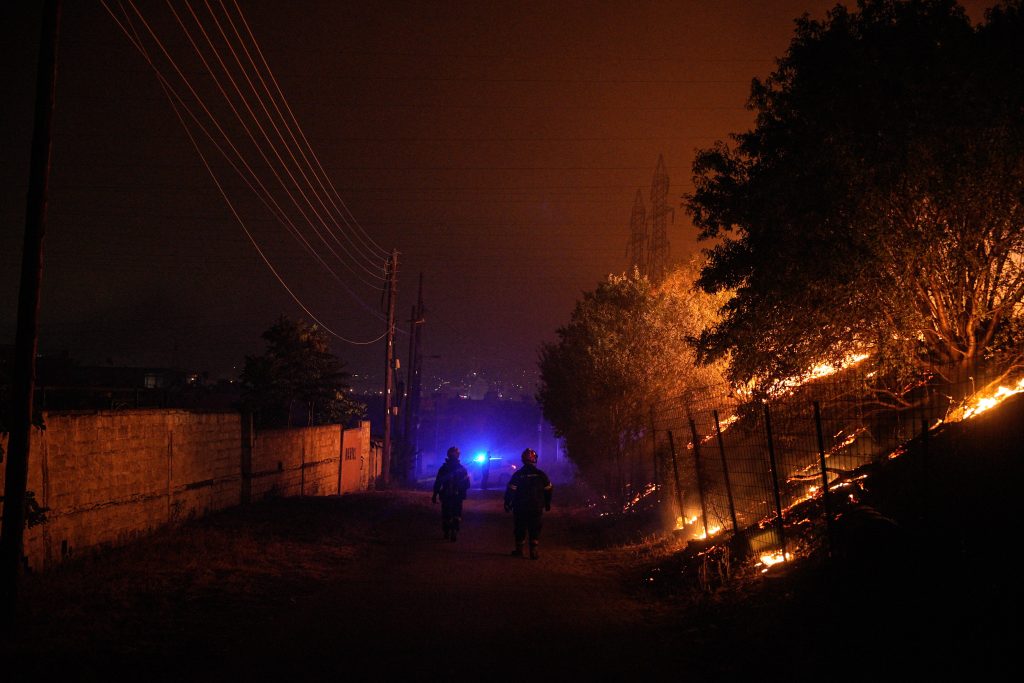
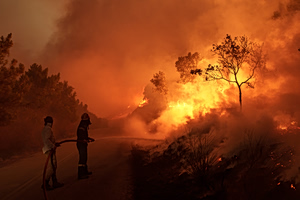
Forest fire in Anthoupoli suburb of Thessaloniki, Greece on July 4, 2026. / Δασική πυρκαγιά στην Ανθούπολη Θεσσαλονίκης, 4 Ιουλίου 2026.
Researchers also examined whether the relationship between climate conditions and burned area has remained constant over time.
They found that in Southern Greece the relationship has remained remarkably stable throughout the study period. In Northern Greece, however, statistical analysis revealed that the climate-fire relationship began changing gradually, with a clear shift emerging around the mid-1980s.
According to Koutsias, this indicates that climate has begun to lose its role as a limiting factor in Northern Greece, meaning the forest-climate-fire system is now operating differently than it did decades ago.
No Single Wildfire Strategy
The findings suggest wildfire management policies should be tailored to regional differences rather than applying a single national approach.
In Northern Greece’s forest ecosystems, researchers say greater emphasis should be placed on forecasting extreme climate conditions, strengthening surveillance and preparing for high-intensity wildfires.
In Southern Greece, they argue that managing combustible vegetation remains one of the most effective ways to reduce wildfire risk.
“Climate change affects the entire country,” Koutsias said. “But its impacts do not manifest themselves in the same way across all ecosystems.”
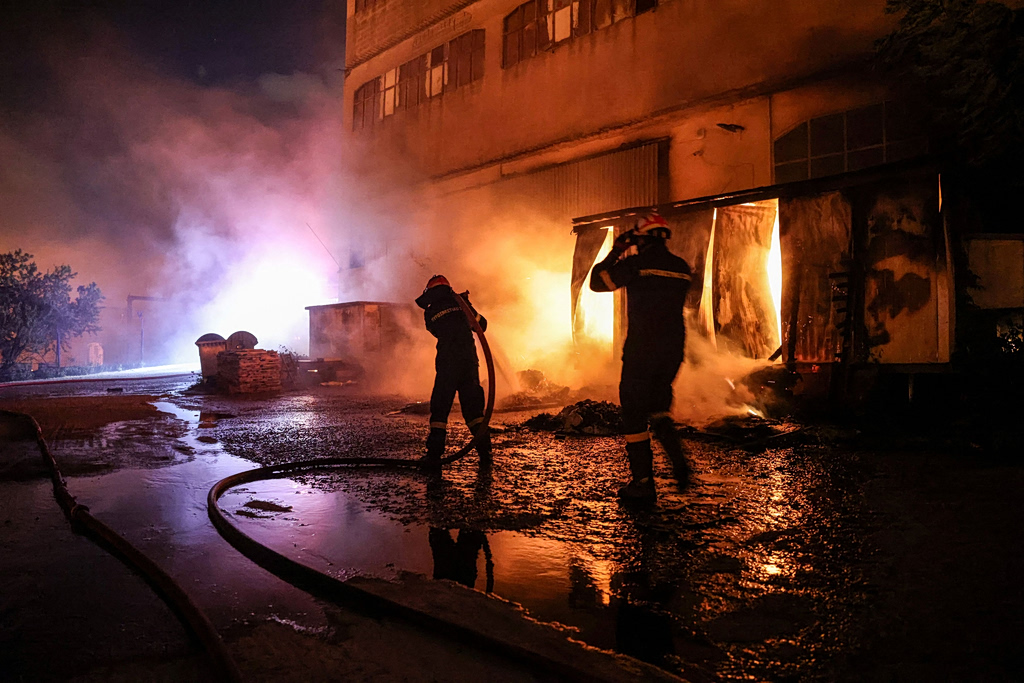
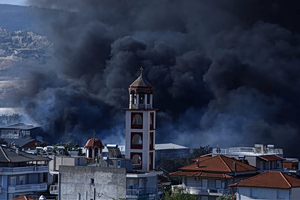
Firefighters douse flames at a burning factory, after a wildfire broke out near Oreokastro, on the outskirts of Thessaloniki, Greece, July 4, 2026. REUTERS/Alexandros Avramidis
Fire Numbers Continue to Rise
The study found that the number of wildfires has increased steadily in both Northern and Southern Greece, although the growth has been faster and more variable in the north.
Northern Greece has recorded particularly high fire activity since the early 1990s, while Southern Greece has experienced a more gradual but still upward trend.
Koutsias said historical data serve as “nature’s memory,” allowing scientists to detect slow-moving changes long before they become obvious in everyday life.
“The most important message from this research is that climate change does not simply mean more or larger wildfires,” he said. “It means the mechanisms that determine when, where and how intensely fires occur are themselves gradually changing.”
Vegetation Also Plays a Key Role
Researchers found that differences in vegetation between northern and southern Greece also influence wildfire behavior.
Broadleaf forests are concentrated mainly in Northern Greece, particularly in the regions of Macedonia and Thrace, reflecting the area’s cooler and wetter climate. Their presence declines toward Southern Greece and the islands.
By contrast, hard-leaved Mediterranean vegetation is most prevalent in the Peloponnese, Attica, much of Central Greece, the Aegean islands and Crete, where warmer and drier conditions prevail.
According to Koutsias, the dominance of broadleaf forests in the north indicates greater biomass availability, while the prevalence of hard-leaved vegetation in the south reflects ecosystems adapted to hot, dry Mediterranean climates and different wildfire regimes.