 Μake us preferred on Google
 Let’s start with the good news. Populations of several of the planet’s most iconic species that had been sliding toward extinction, among them tigers, elephants, green sea turtles, bluefin tuna and the loggerhead sea turtle, are starting to recover. Their recovery suggests the destruction of nature may not be inevitable. But the report also brings far grimmer news. Between 1970 and 2022, the monitored wildlife populations declined by a dramatic average of 73%.
These are among the findings of WWF’s Living Planet Report 2026. The conservation group publishes this comprehensive scientific study every two years with the Zoological Society of London to assess the health of the planet by tracking trends in global biodiversity. This year’s edition, the 16th, gives a scientific overview of the state of the natural world. It follows 35,803 populations of 5,790 species of mammals, birds, fish, reptiles and amphibians over 52 years.
Three systems are responsible for most of the damage, according to the report. The food system is the leading cause of habitat destruction, the energy system is the principal driver of climate change and the financial system channels money into activities that harm nature. The report stresses that transforming these systems is expected to bring benefits for biodiversity.
Bucking the Overall Trend
Half of the species populations in the Living Planet Report 2026 are stable or increasing, even though the overall trend is negative. The report singles out several flagship species.
Tigers had dwindled to around 3,200 in the wild by 2010, and the species was on course for extinction. By 2025, the population had grown by about 70%. The report credits coordinated action and collective efforts by governments, Indigenous peoples, organizations and other partners.
Southern African elephants are stable or growing in many of the places where local communities play a direct role in managing and protecting the species.
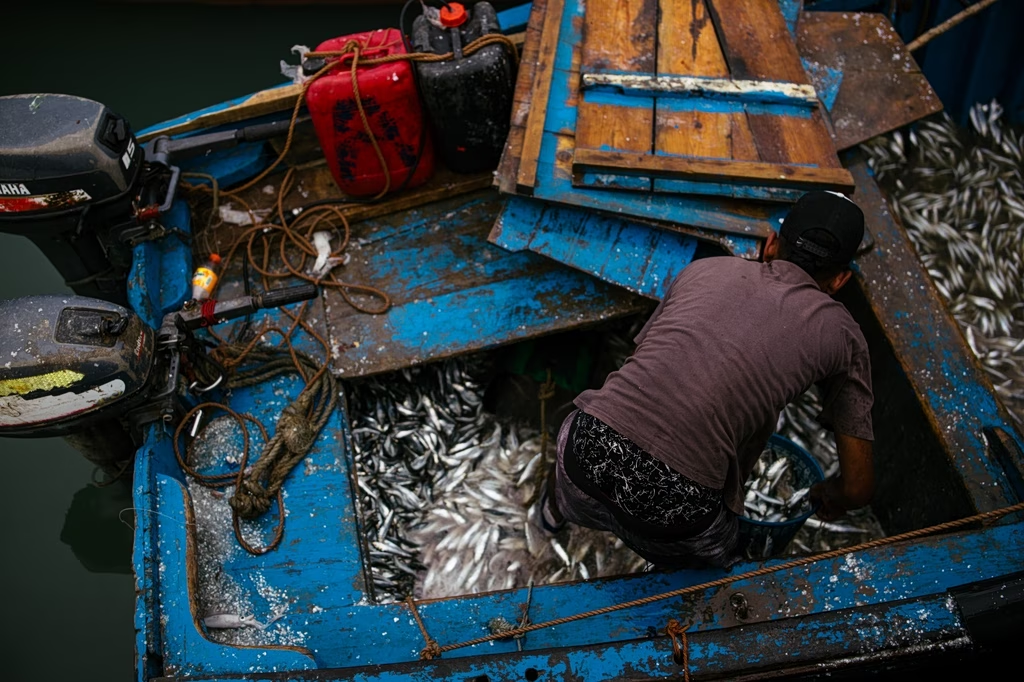
Atlantic and Pacific bluefin tuna populations had collapsed after decades of overfishing. They have since recovered to the point where neither species is now considered threatened.
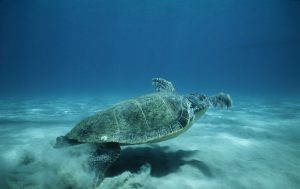
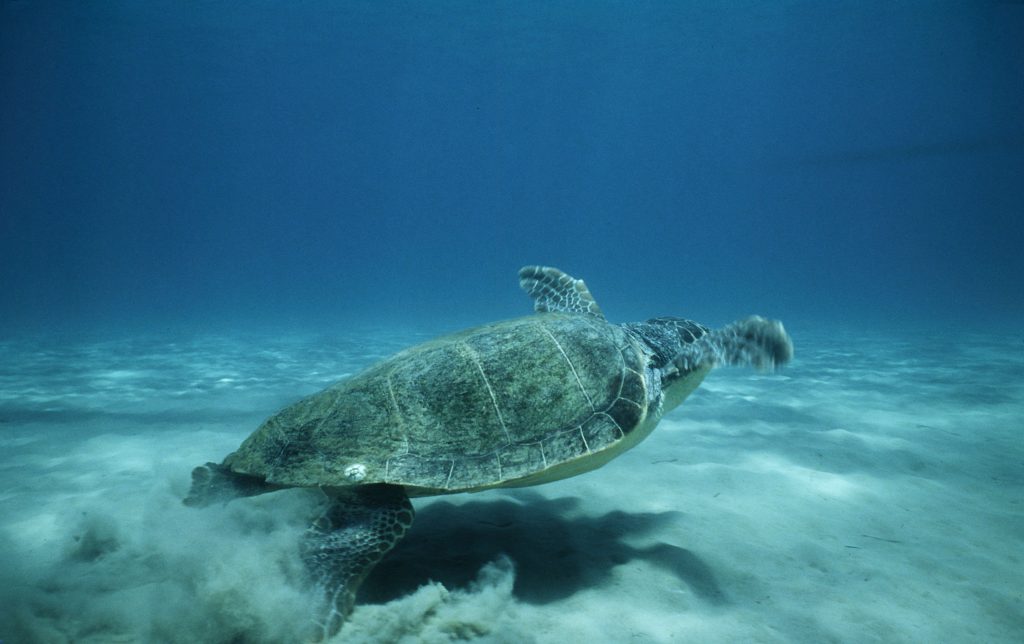
The green sea turtle in 2025 became the first marine turtle ever to be downlisted from Endangered to Least Concern on the IUCN Red List, the world’s main inventory of species’ extinction risk. The change followed 50 years of coordinated work across some 80 countries where the species nests.
The Mediterranean and a Recipe for Success
Several emblematic species in the Mediterranean, including in Greece, are also showing upward trends.
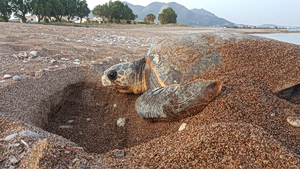
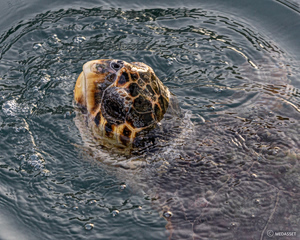
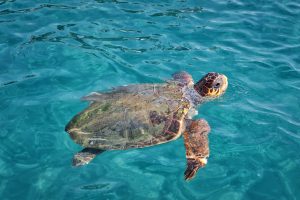
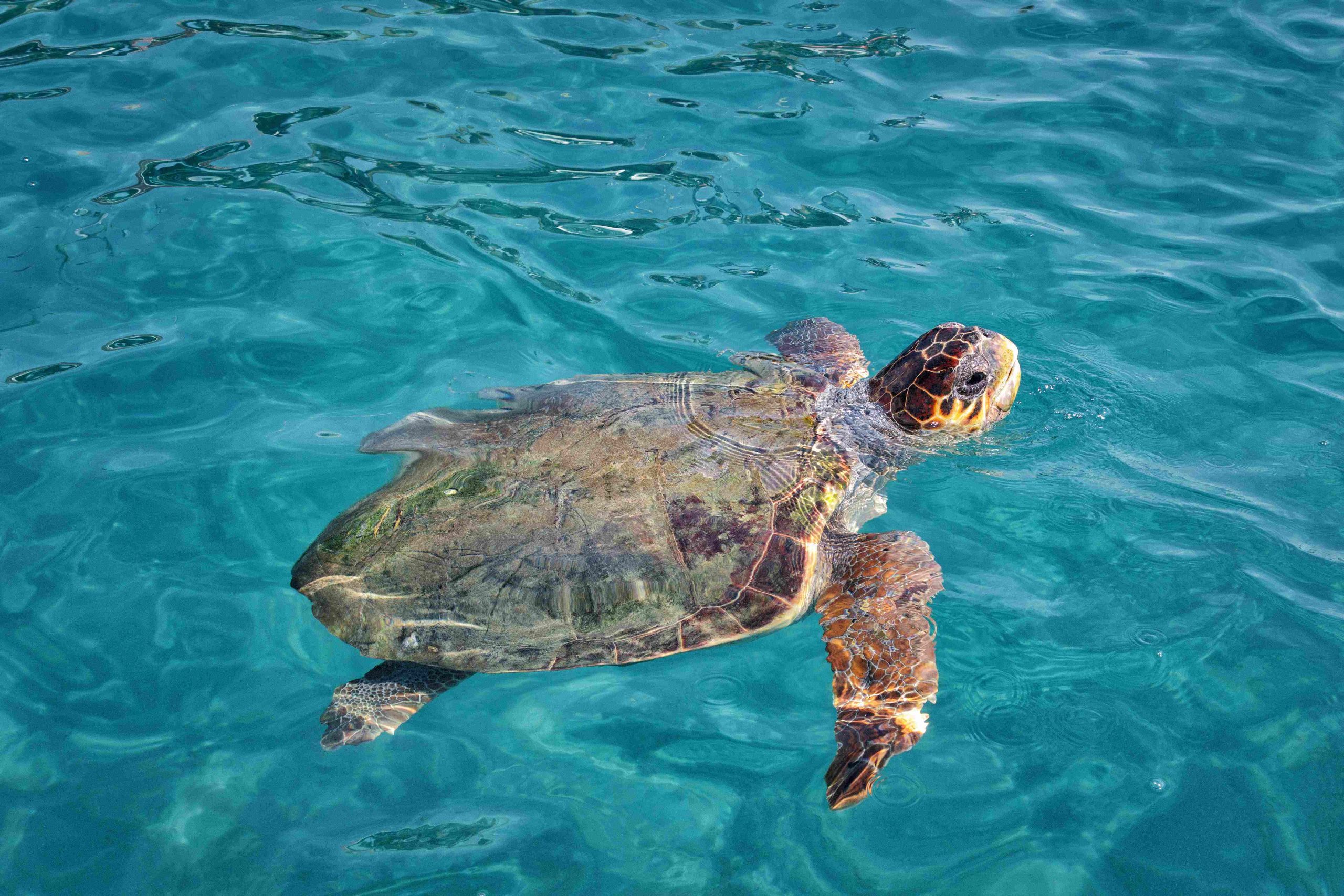
Greece has the largest nesting beaches of the loggerhead sea turtle, known by its scientific name Caretta caretta, and the highest number of its nests anywhere in the Mediterranean. In recent years, nests have risen steadily at the species’ most important nesting sites, Kyparissia Bay in the western Peloponnese and Laganas Bay on the island of Zakynthos. The increase is directly linked to protection measures first introduced about 30 years ago.
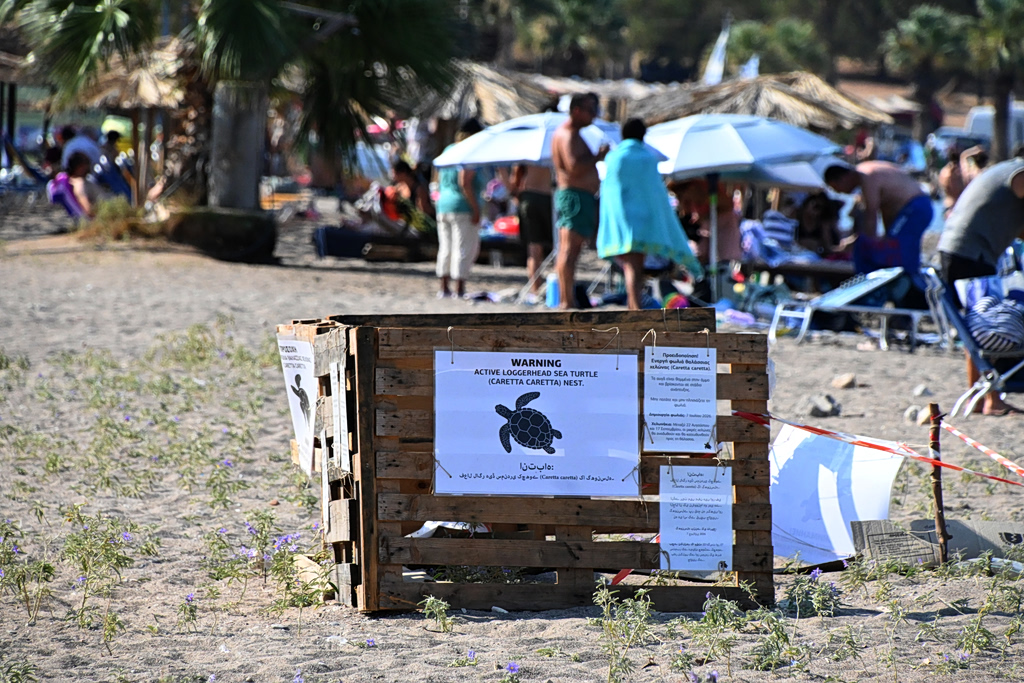
A loggerhead sea turtle nest is fenced off for protection on Karathona Beach in Nafplio, in the Argolis region of the northeastern Peloponnese. (Vasilis Papadopoulos/Eurokinissi)
Bluefin tuna are also increasing in the Mediterranean, after fisheries policies, regulations and practices have improved in recent years.
“We see that there is hope, that nature recovers if we give it the chance and if we help it. It takes time, sometimes even decades,” Vasiliki Orfanou, who works on biodiversity projects at WWF Greece, told TA NEA. “In many cases we may face failures, setbacks, funding cuts. We may see time pass without the change becoming visible yet. But with persistence, clear goals, good planning and people who don’t lose hope, results can come in the end.”
“The report records and describes the problem,” she said. “But it also gives us signs of hope. It gives us proof that action, cooperation with authorities, cooperation with society and the work of environmental organizations can make a difference. And since it has worked for specific species, we believe it can work for others too.”