 Μake us preferred on Google
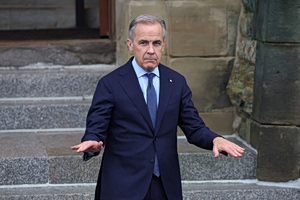
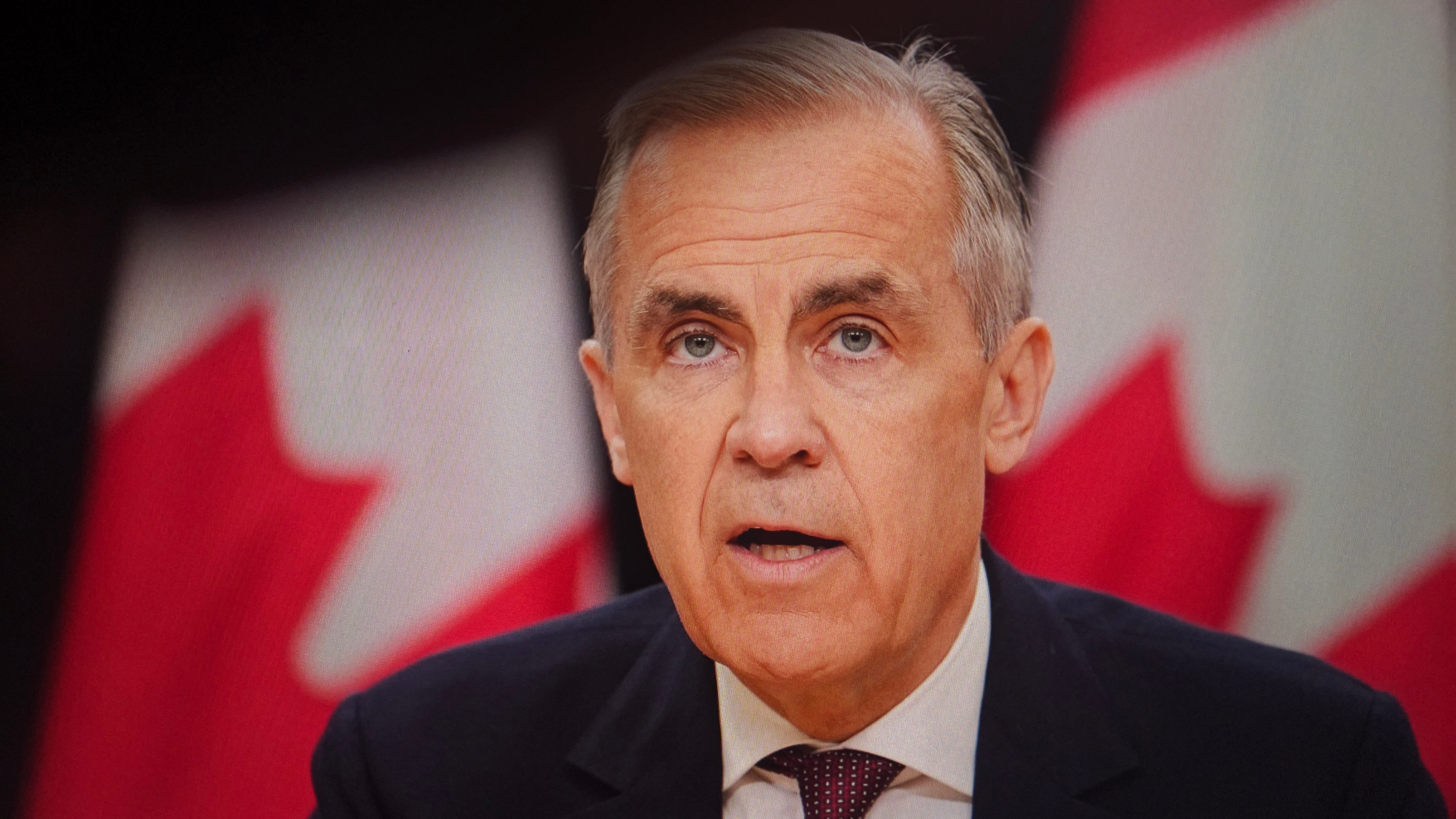
 “When the rules no longer protect you, you have to protect yourself,” Canadian Prime Minister Mark Carney said in a memorable line at the World Economic Forum in Davos, Switzerland, back in January. His speech drew applause from leaders in many countries who saw him as a bold prime minister defending his country and standing up to US aggression under President Donald Trump.
Carney Lowers The Temperature
Since then, Carney’s combative posture toward the US has cooled, and his attacks on Washington have grown rarer. He now seems to be playing down his opposition to the White House and focusing more on de-escalation to avoid provoking Trump. His government considers this a pragmatic approach.
Tariffs On Canadian Honey And Hockey Sticks
Carney’s critics call it a strategic failure. As evidence, they point to new 50% US tariffs on a range of Canadian goods, from honey to hockey sticks, taking effect on August 19. On that date, Canada is expected to become the first country ever to face tariffs under Section 338 of the 1930 Smoot-Hawley Tariff Act, which lets the US president respond to what he considers trade discrimination against American goods without needing Congressional approval.
Ottawa has also dropped its so-called “Netflix tax,” which would have required major streaming platforms to pay 5% of their Canadian revenue to the national broadcaster. Canada also agreed to share toll revenue from the Gordie Howe cross-border bridge, an infrastructure project Canada funded entirely on its own, with the US.
Criticism From Canada’s Opposition
Carney, who built his rise to power in March 2025 largely on standing up to Trump, is now accused of making one concession after another to Washington. “For a year and a half, you have caved to one American demand after another without getting anything in return,” Conservative Party leader Pierre Poilievre wrote in a letter to the prime minister on August 9. “A sovereign country has real negotiating leverage abroad too.” Lately, the sharpest Canadian pushback against the US has come from conservative Doug Ford, head of the Ontario provincial government, the country’s most populous and wealthiest province, who said Canada is an “energy superpower” and could bring the United States “to its knees” if it wanted to.
Speaking to Le Monde, McGill University political science professor Daniel Beland said Carney has always alternated between toughness toward the US and a softer approach. He noted Carney is a technocrat who adjusts his message to his audience, and that the Davos speech aimed to reposition Canada on the world stage for a diplomatic elite and global audience, not as a message to the US.
Two-Thirds Of Canadians Want Retaliation Against The US
It’s not just Canada’s opposition criticizing Carney. According to a July 26 poll from Angus Reid, Canadians remain angry about Trump’s tariffs, and nearly two-thirds want Carney to respond with tariffs of his own. Still, some analysts, like University of Michigan economics professor Justin Wolfers, told The Economist that such a move would only make Canada’s problems worse. Carney, for his part, has ruled out using Canada’s strongest bargaining chip, energy exports, as a retaliatory tool.
The Case Of Alberta
Alberta, in western Canada, has its own grievances with the federal government over energy, taxation, and immigration, and will hold a referendum on October 19 asking whether the province should remain part of Canada or whether the local government should begin the legal process that could lead to a future vote on secession. Still, an Ipsos poll from June found only 18% of Albertans said they’d vote for secession in a future binding referendum, down significantly from 28% earlier in 2026.
Carney’s Balancing Act
The prime minister rejects claims that he’s caving to the US, though he acknowledges trade talks with Trump’s America are difficult. As Le Monde notes, Canada continues negotiating with the US government behind the scenes in Washington. Under these conditions, Carney can’t easily use conflict with the US president as a political weapon the way he did early in his term. Per the French paper’s analysis, he’ll need to keep walking a tightrope: defending Canadian sovereignty without derailing negotiations still underway.
Canada Still Aligning With Europe
Other analysts note that despite his softer rhetoric, Carney hasn’t abandoned the core of his geostrategic plan: reclaiming sovereignty and reducing Canada’s dependence on the US. Record defense spending and closer ties with the EU point to this strategy. In May, Carney attended the eighth summit of the European Political Community, a forum bringing together EU countries and other European non-EU nations, in Yerevan, Armenia. It was the first time a non-European leader was invited to this informal summit, a sign that Canada is continuing its strategic repositioning. On Ukraine, Canada also stands with Europeans as part of the “coalition of the willing” backing Kyiv against Moscow.