 Μake us preferred on Google
 Humanitarian needs are escalating rapidly in Nepal following devastating flash floods last month that impacted 84,000 people. According to the National Disaster Risk Reduction and Management Authority (NDRRMA), figures reported on September 7 show the total death toll has climbed to 1,356, with nearly 4,900 people still unaccounted for. The disaster has left widespread damage to roads, bridges, health facilities, and schools.
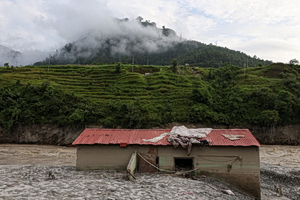
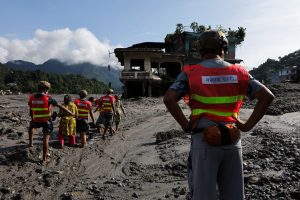
Mud partially buries a damaged house following deadly flash floods and a mudslide, in Dhading district, Nepal, September 14, 2026. REUTERS/Tyrone Siu
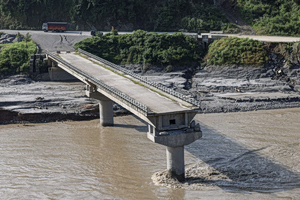
A bridge damaged by deadly flash floods and a mudslide, in Dhading district, Nepal, September 14, 2026. REUTERS/Tyrone Siu
With thousands of families now facing displacement and an uncertain path forward, the International Organization for Migration (IOM) is calling for $20.5 million to support 43,000 people as part of the broader response led by Nepal’s government.
Thousands in Nepal face displacement, loss and uncertainty after devastating floods last month.
To support the Government of Nepal-led response, IOM is appealing for USD 20.5 million to assist 43,000 people with shelter, health, protection and displacement tracking support. pic.twitter.com/4cvgKFgj4l
— IOM – UN Migration 🇺🇳 (@UNmigration) September 8, 2026
The appeal aligns with a joint flash appeal issued by the UN and other humanitarian organizations, with IOM concentrating its efforts on tracking displacement, coordinating relief sites, and expanding shelter, healthcare, and protection services for those affected.
Helene Fors, IOM’s Chief of Mission in Nepal, said that for many families, the initial trauma of the floods has given way to deep uncertainty about what comes next. She emphasized that the organization’s focus is ensuring humanitarian efforts are grounded in accurate information so that essential aid reaches the people who need it most.
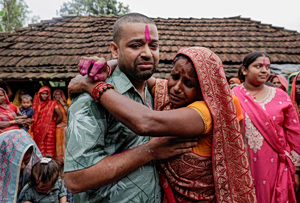
Kapur Devi Sah, mother of Sanjay Sah, a survivor pulled out alive after spending nine days trapped in a hydropower station tunnel following flash floods and a mudslide, gets emotional as she hugs her son upon his arrival at their house in Tilathi Koiladi village in Saptari District, Nepal, September 13, 2026. REUTERS/Navesh Chitrakar
IOM staff are already active in the field, including in areas that are difficult to access. Teams have carried out preliminary assessments at centers currently sheltering displaced families and have delivered essential medical supplies to local health authorities. Continued funding, however, will be necessary to broaden the scope of assistance reaching impacted communities.
Key priorities going forward include securing emergency shelter ahead of the approaching winter season, expanding access to healthcare and mental health support, and providing targeted protection for vulnerable groups such as women, children, older adults, and people with disabilities.
IOM is also working to strengthen its Displacement Tracking Matrix (DTM), a tool that helps authorities monitor where displaced populations are located and how they’re moving, allowing aid to be directed more precisely to areas of greatest need. With many displaced individuals currently taking shelter in schools, monasteries, public buildings, and within host communities, IOM—serving as co-chair of the Camp Coordination and Camp Management (CCCM) Cluster alongside the Department of Urban Development and Building Construction (DUDBC)—is working to ensure they receive ongoing access to aid, services, and protection.
The organization is urging the international community to respond swiftly to help meet the urgent needs of communities affected by the disaster.